
Light
Full Sun
Requires full sun or intense direct sunlight to maintain its dense spination and compact structure.
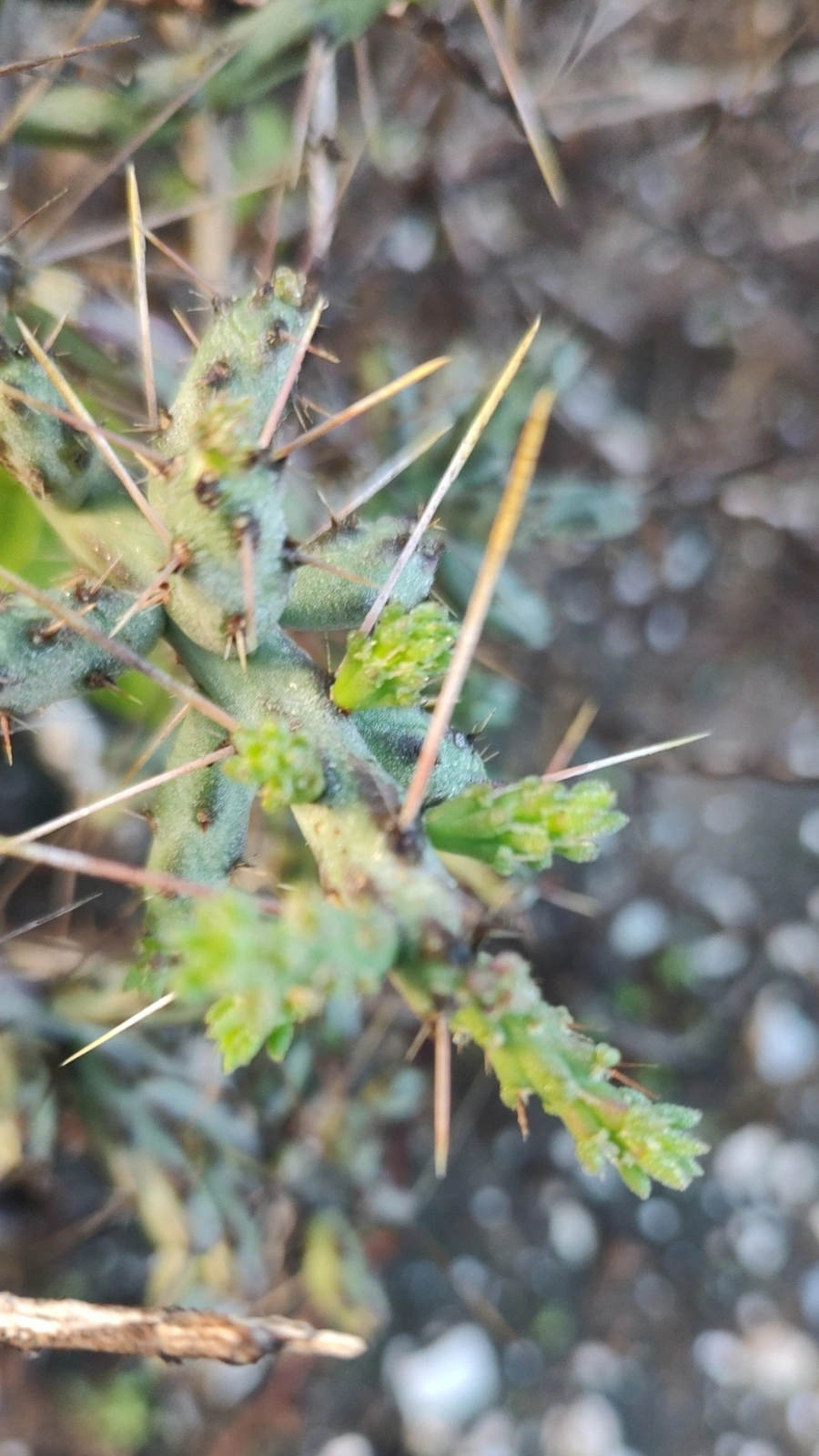 Reference image
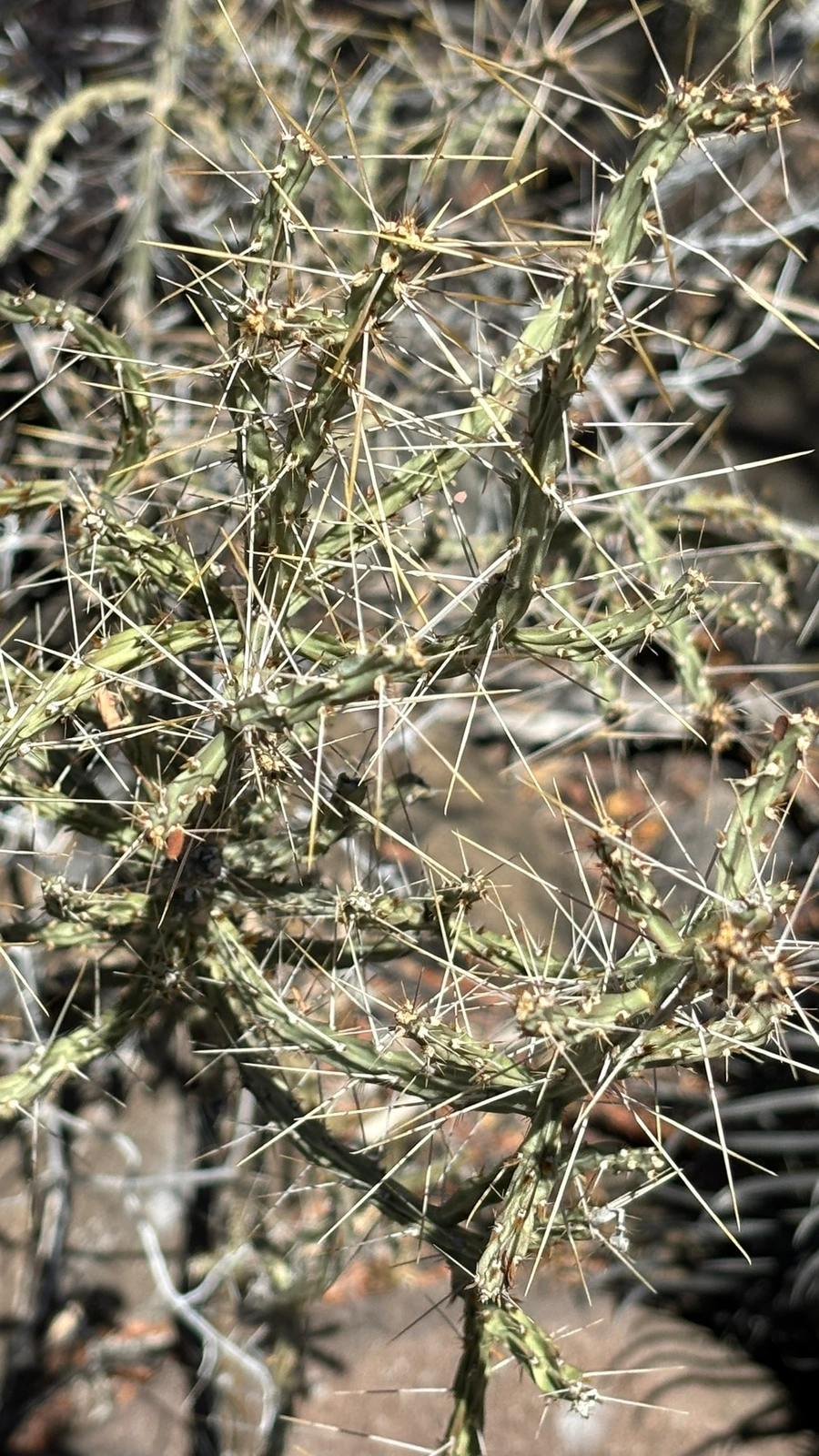 Reference image
Lindsay's Cholla
Cylindropuntia lindsayi is a spiny, succulent shrub belonging to the Cactaceae family, highly adapted to arid desert and dry shrubland ecosystems. Known for its distinctive structural design, this cactus possesses deep-seated physiological adaptations that help it conserve moisture in harsh, water-scarce regions 1. It is primarily sought after by succulent collectors for its sculptural form.
Named in honor of botanist George Lindsay, this species is categorized within the genus Cylindropuntia 2. Commonly referred to as Lindsay's cholla, it differs from flat-padded prickly pears (Opuntia spp.) by its characteristic cylindrical, segmented stem joints.
This species is native to northwestern Mexico, particularly within the arid plains and rocky slopes of Baja California and Sonora 3. It thrives in gravelly alluvial soils, open desert scrublands, and coastal dry regions under intense solar radiation.
The plant features branched, cylindrical green to grayish-green joints marked by prominent tubercles. Sharp, pale spines emerge from the areoles, acting as a defense mechanism and sun barrier. Flowers are typically yellow, bronze, or greenish, blooming at the tips of the stems during late spring 4.
In cultivation, it requires maximum sunlight exposure, preferably in south-facing windows or outdoor rock gardens. The soil must be highly porous and mineral-rich. Water thoroughly during the active growing season only after the soil has dried out completely, and keep it dry in winter.
Overwatering is the most lethal mistake, leading to rapid root rot. Insufficient light exposure will cause the stems to grow thin, weak, and pale (etiolation), ruining the plant's structural integrity.
Requires full sun or intense direct sunlight to maintain its dense spination and compact structure.
Water deeply but infrequently. Always allow the substrate to dry out entirely before watering again.
Use a specialized mineral-heavy cactus soil mix with plenty of pumice, coarse sand, and perlite.
Armed with extremely sharp spines that attach easily. Handle only with thick leather gloves or tongs.
Moderate. Very resilient against drought, but highly sensitive to overwatering and dark indoor spots.
Native to the arid peninsula of Baja California and parts of Sonora in Mexico, where it thrives on rocky slopes, alluvial plains, and dry desert shrublands.
