
Light
Full Sun
Requires full sun, ideally 6 to 8 hours of direct sunlight daily for robust growth.
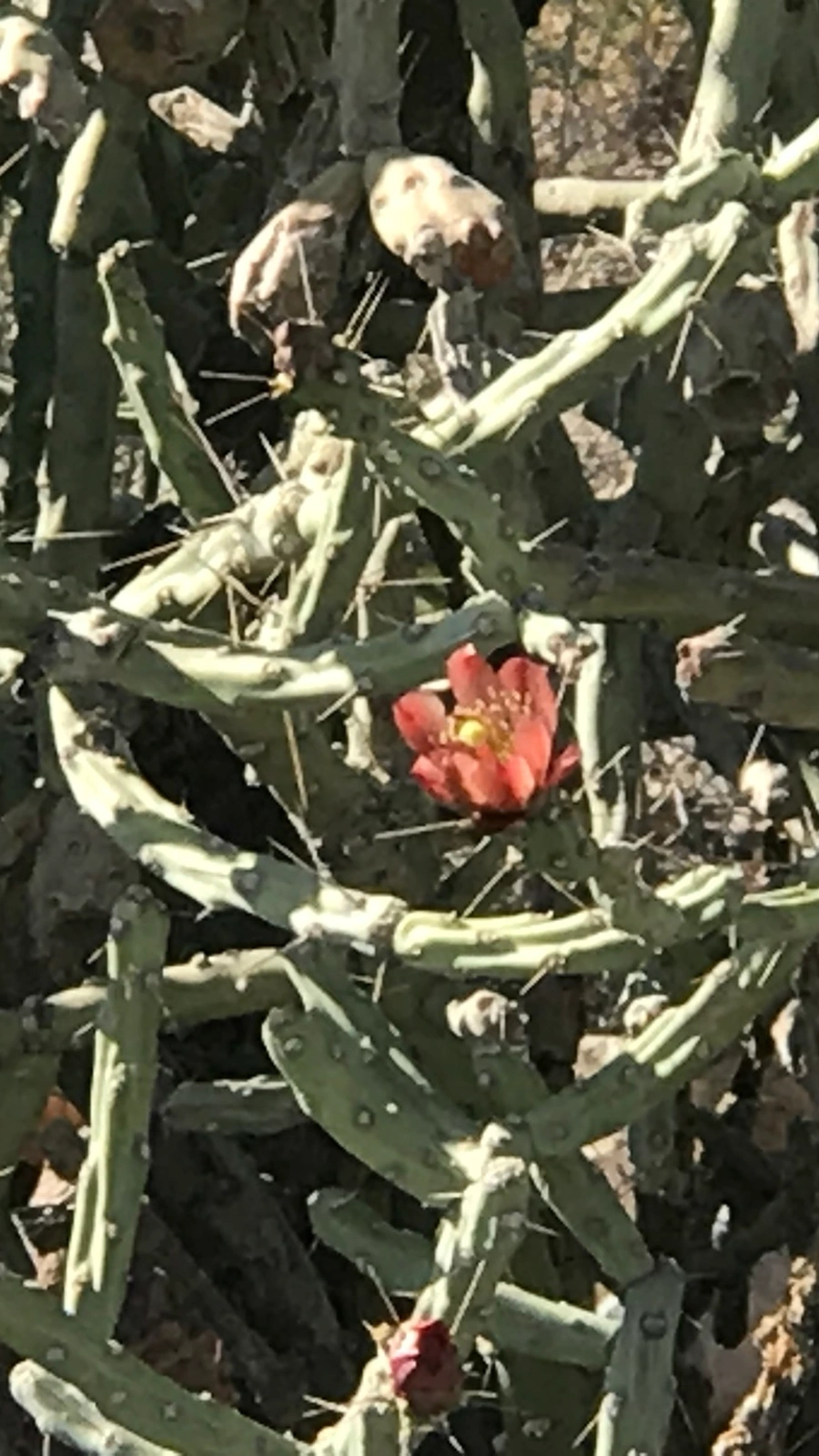 Reference image
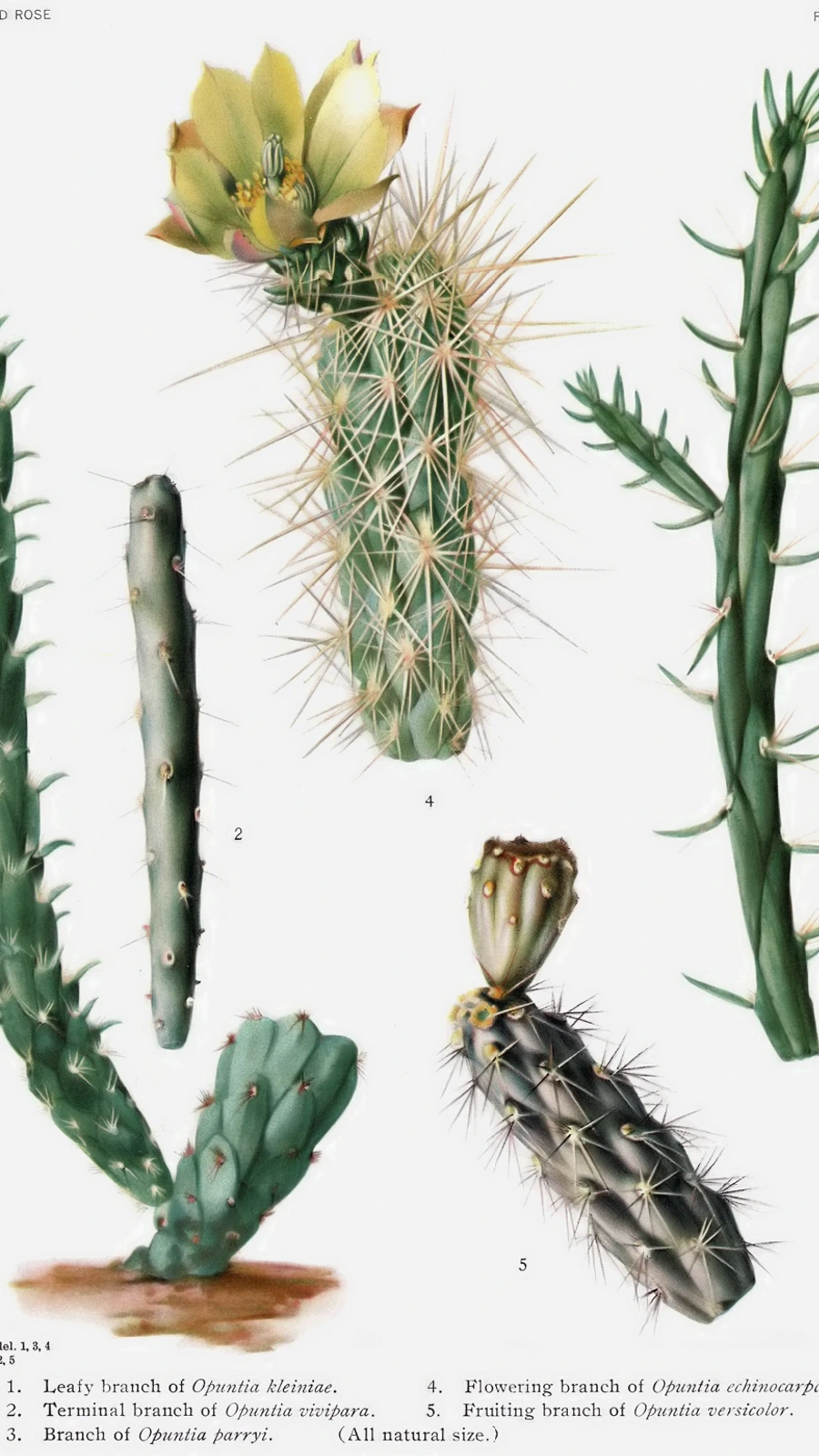 Reference image
Viviparous Cholla
Cylindropuntia × vivipara is a naturally occurring hybrid succulent shrub in the Cactaceae (cactus) family. It is renowned for its exceptional adaptation to harsh, arid desert conditions 1.
This cactus is scientifically recognized as a natural hybrid between Cylindropuntia arbuscula and Cylindropuntia versicolor 2. The '×' symbol in its botanical name denotes its hybrid lineage, while 'vivipara' refers to its tendency to produce viviparous growths, where fallen stems or fruits readily root to clone the parent plant.
The hybrid is primarily native to the southwestern United States, particularly Arizona, extending into adjacent arid regions of northern Mexico. It thrives in desert habitats, sandy plains, and dry shrublands of the Sonoran Desert 1.
It exhibits a shrubby, upright growth habit with cylindrical, jointed stem segments. The stems are green to grayish-green, covered in areoles bearing sharp spines and tiny, irritating glochids. Flowers range from yellow to bronze-red, often producing persistent fruits that can form chains.
In cultivation, it requires full sun exposure and extremely well-draining, gravelly soil. Water should be applied only when the substrate is completely dry. During winter, watering must be suspended almost entirely to prevent root rot.
The most frequent issues arise from overwatering, leading to fungal pathogens and root rot. Insufficient sunlight will cause weak, etiolated growth, compromising the plant's structural integrity.
Requires full sun, ideally 6 to 8 hours of direct sunlight daily for robust growth.
Water thoroughly only when the soil is completely dry. Keep nearly bone dry throughout the winter.
Use a specialized mineral-rich cactus mix with plenty of coarse sand, pumice, or perlite.
Warning! Possesses sharp spines and irritating glochids that easily dislodge. Highly toxic/dangerous to pets.
Moderate. Easy if provided with enough sunlight and very dry conditions, but prone to rot if overwatered.
Natively occurs across the Sonoran Desert plains and dry slopes of southern Arizona and neighboring Mexican states.
