
Light
Full Sun
Requires full, direct sun for at least 6 to 8 hours daily to maintain its dense spine growth.
 Reference image
 Reference image
Walton's Cholla
Cylindropuntia waltoniorum is a robust, shrubby cactus species belonging to the family Cactaceae. Known for its cylindrical stem segments and dense spine cover, it plays an important ecological role in arid desert communities. It is highly adapted to extreme drought and intensive sunlight 1.
The genus Cylindropuntia was traditionally grouped under the broad genus Opuntia, but was later segregated due to distinct cylindrical stem structures and sheath-covered spines. The specific epithet waltoniorum honors the Walton family for their historical contributions to succulent research. It is commonly referred to as a cholla cactus 2.
This species is native to northwestern Mexico, including Baja California, Sonora, and Sinaloa. It thrives in desert shrublands, rocky slopes, and alluvial plains where the soil is gritty, nutrient-poor, and rapidly draining 1.
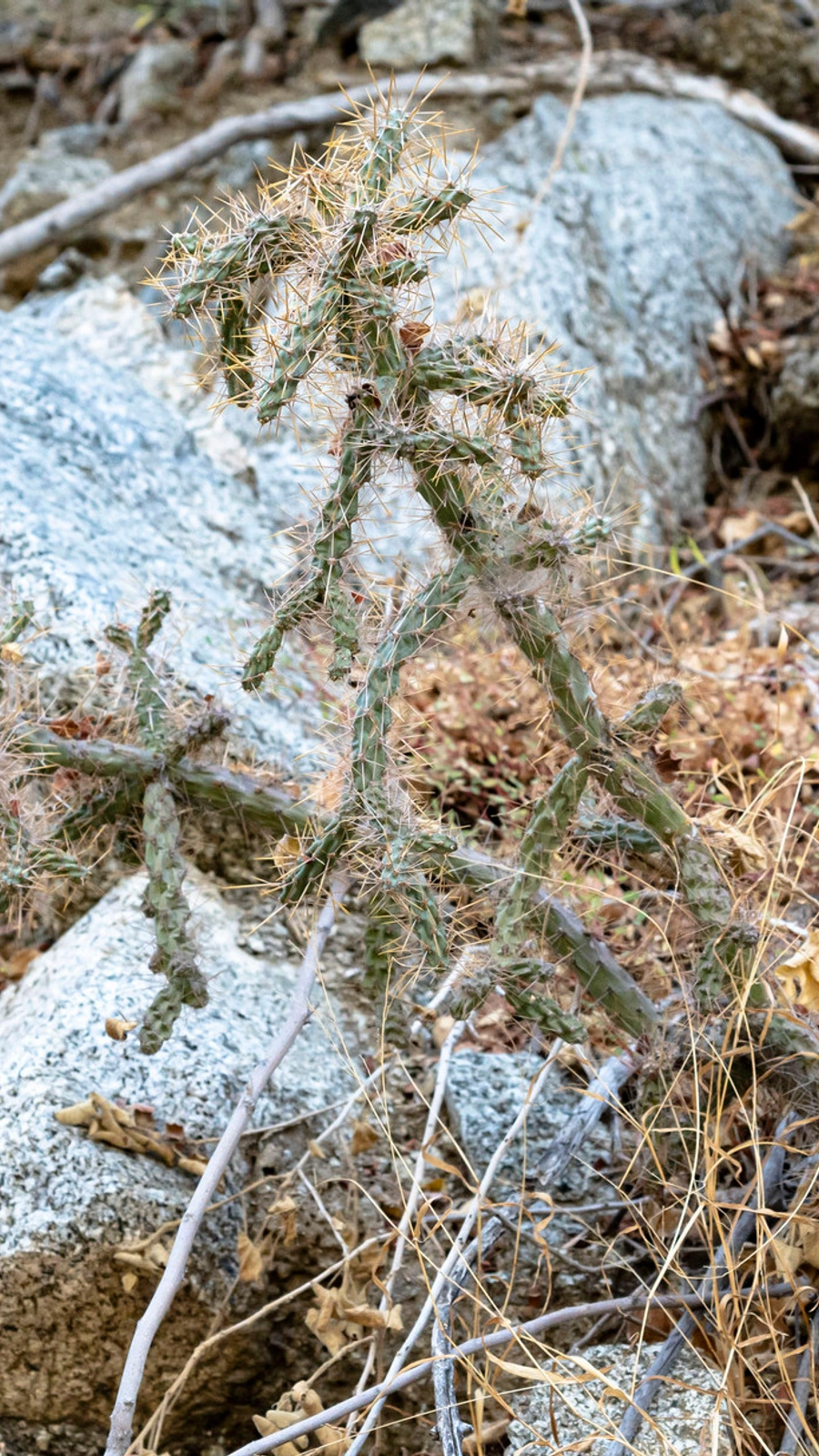
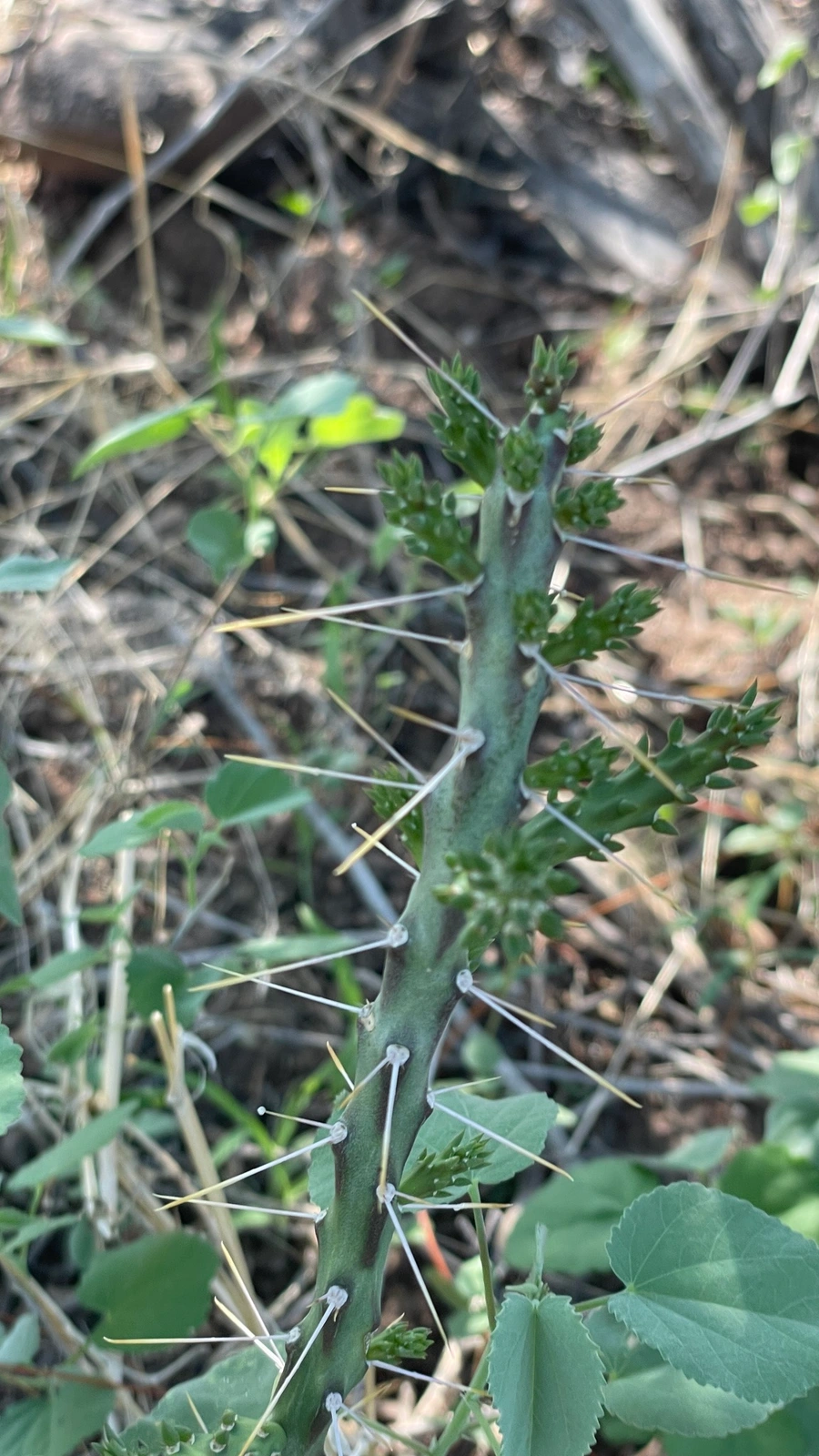
Cylindropuntia waltoniorum forms a highly branched, shrubby habit with cylindrical, jointed stem segments. The stems are greyish-green, bearing woolly areoles covered with sharp, barbed spines. These dense spines protect the plant from herbivores and reflect harsh solar radiation 2. In late spring, it produces pale yellow flowers at the segment tips.
In cultivation, this plant requires a position with full, unfiltered sunlight and excellent ventilation. It must be potted in a coarse mineral substrate. Watering should follow the 'soak and dry' method, keeping the medium bone-dry during the winter dormancy period 3.
The most frequent error is overwatering or using heavy soils with poor drainage, which rapidly leads to root rot. Insufficient sunlight will cause etiolation, resulting in weak, stretched stems.
Requires full, direct sun for at least 6 to 8 hours daily to maintain its dense spine growth.
Water deeply only when the soil is 100% dry. Keep completely dry in winter.
Thrives in a highly porous, mineral-rich substrate containing pumice, gravel, and sand.
Equipped with sharp, easily detached barbed spines. Highly toxic to pets due to physical injury risk.
Moderate. Easy if underwatered and kept in blazing sun, but unforgiving of wet soil.
Inhabits the arid desert shrublands and rocky slopes of northwestern Mexico under intense heat and dry conditions.
