
Light
Bright Indirect Light
Requires bright, filtered sunlight; protect from intense, direct midday summer sun.
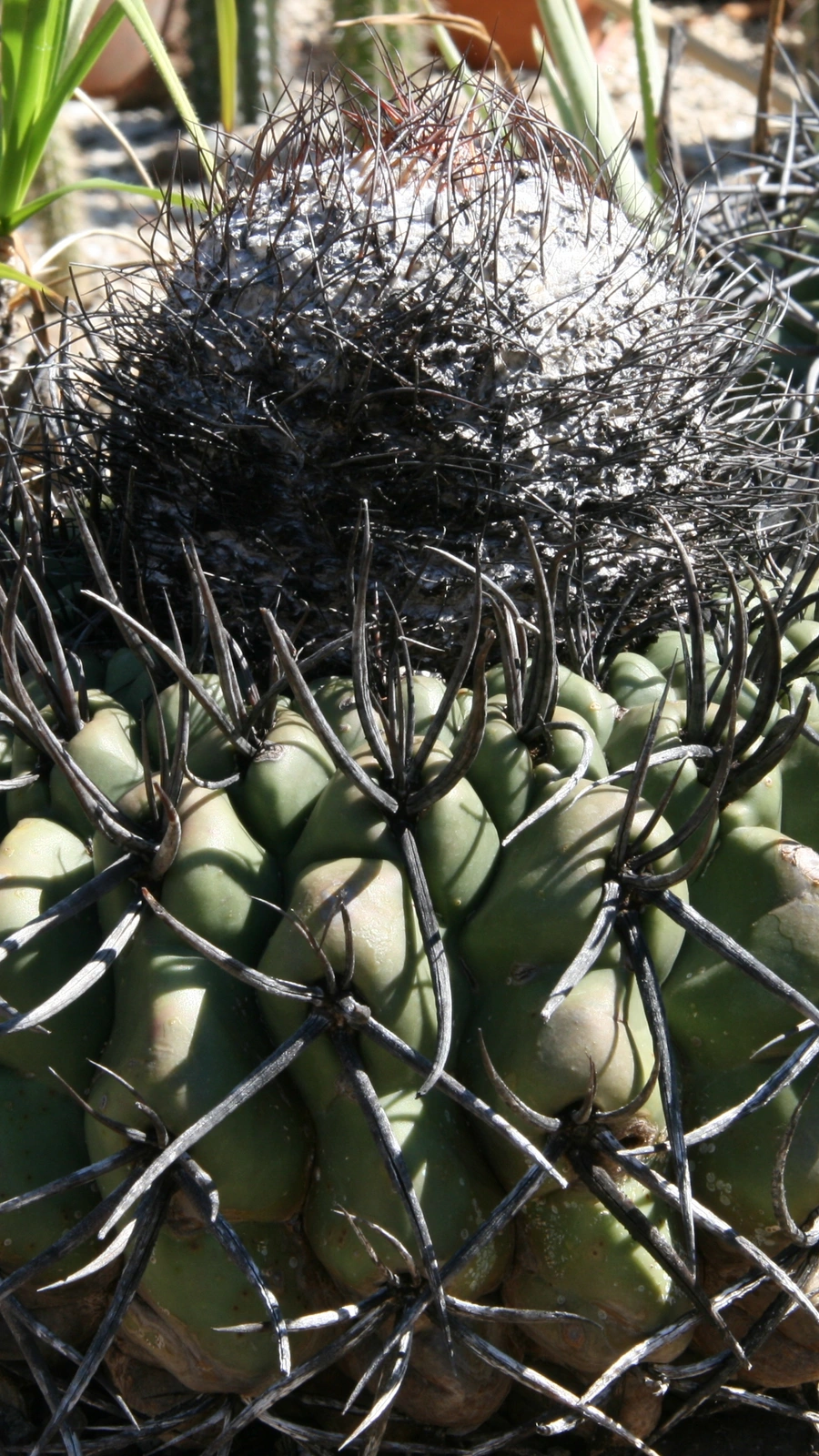 Reference image
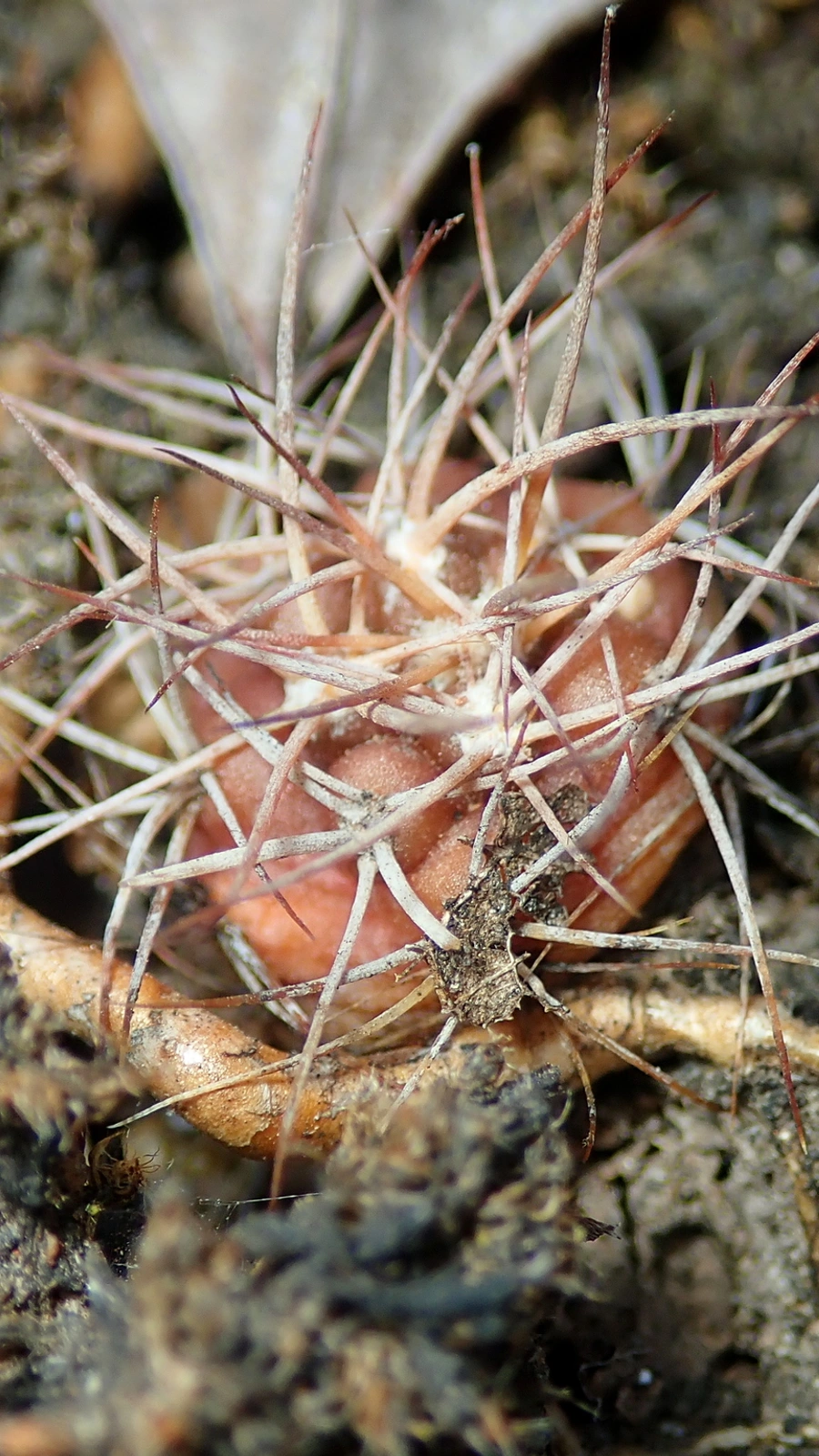 Reference image
Diers' Disc Cactus
Discocactus diersianus is an extremely rare, highly sought-after globular cactus species belonging to the family Cactaceae, native to the seasonal tropical regions of Brazil 1. Characterized by its flattened spherical stem and the prominent woolly cephalium it develops at maturity, it represents an exquisite challenge for advanced succulent collectors.
This species belongs to the genus Discocactus. It was named in honor of Gerhard Diers, a prominent German cactus enthusiast, after its discovery by Alfred Lau 2. It shares morphologic similarities with other members of its genus but is distinguished by its unique spine arrangement and floral scent.
It is endemic to central Brazil, particularly found within the states of Goiás and Tocantins 3. Its natural habitat comprises seasonally dry tropical biomes, primarily the Cerrado, where it grows in pockets of quartzite gravel, rocky cracks, and sandy, nutrient-poor soils under filtered sunlight.
The body is solitary, low-globose, grey-green to dark green, with well-defined ribs. Areoles bear strong, curved, yellowish-brown spines. At maturity, the growth point transforms into a dense cephalium composed of white wool and bristles, from which nocturnal, intensely fragrant white flowers emerge.
Cultivating this species requires a strict adherence to a highly mineralized, acidic substrate with perfect drainage. It is highly sensitive to cold wet conditions and must be overwintered above 10°C. Water should be applied carefully around the base during the active summer phase.
The most frequent mistakes include overwatering, using peat-heavy soils, and exposing the plant to freezing temperatures. Additionally, overhead watering can trap moisture inside the woolly cephalium, rapidly leading to lethal rot.
Requires bright, filtered sunlight; protect from intense, direct midday summer sun.
Water moderately in summer only after the soil dries out; keep virtually dry in winter.
Prefers acidic, highly draining mineral mixes rich in pumice, quartz, and gravel.
Equipped with sharp, rigid spines that can cause physical injury. Safe but non-toxic to pets.
Recommended for advanced growers due to its low tolerance for overwatering and cold.
Occurs naturally in the rocky, quartz-rich soils of the Cerrado savanna plains of central Brazil, adapted to seasonal droughts and high temperatures.
