
Light
Filtered Sun
Thrives in bright, filtered sunlight; protect from harsh, direct midday summer sun to prevent scorching.
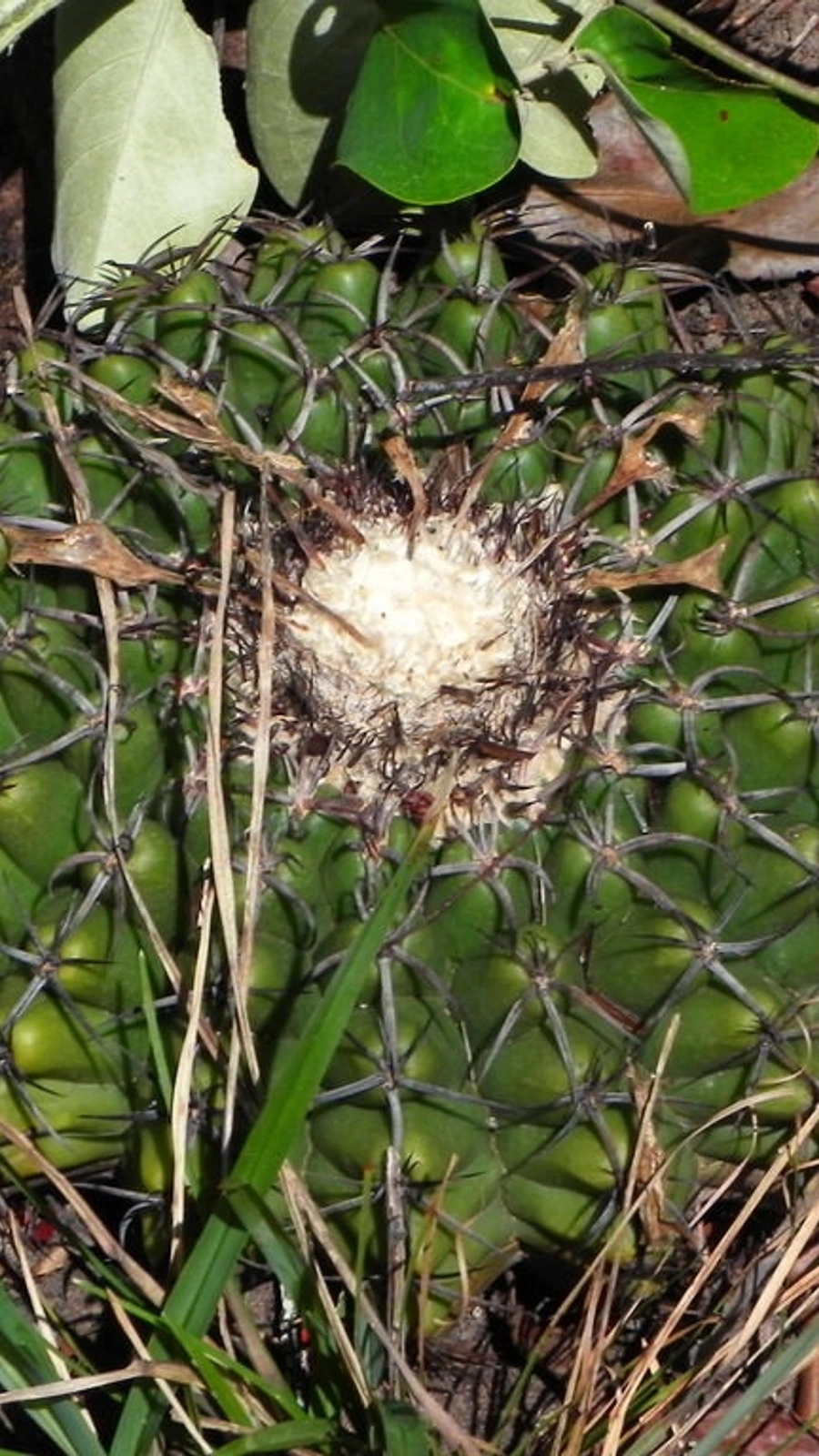 Reference image
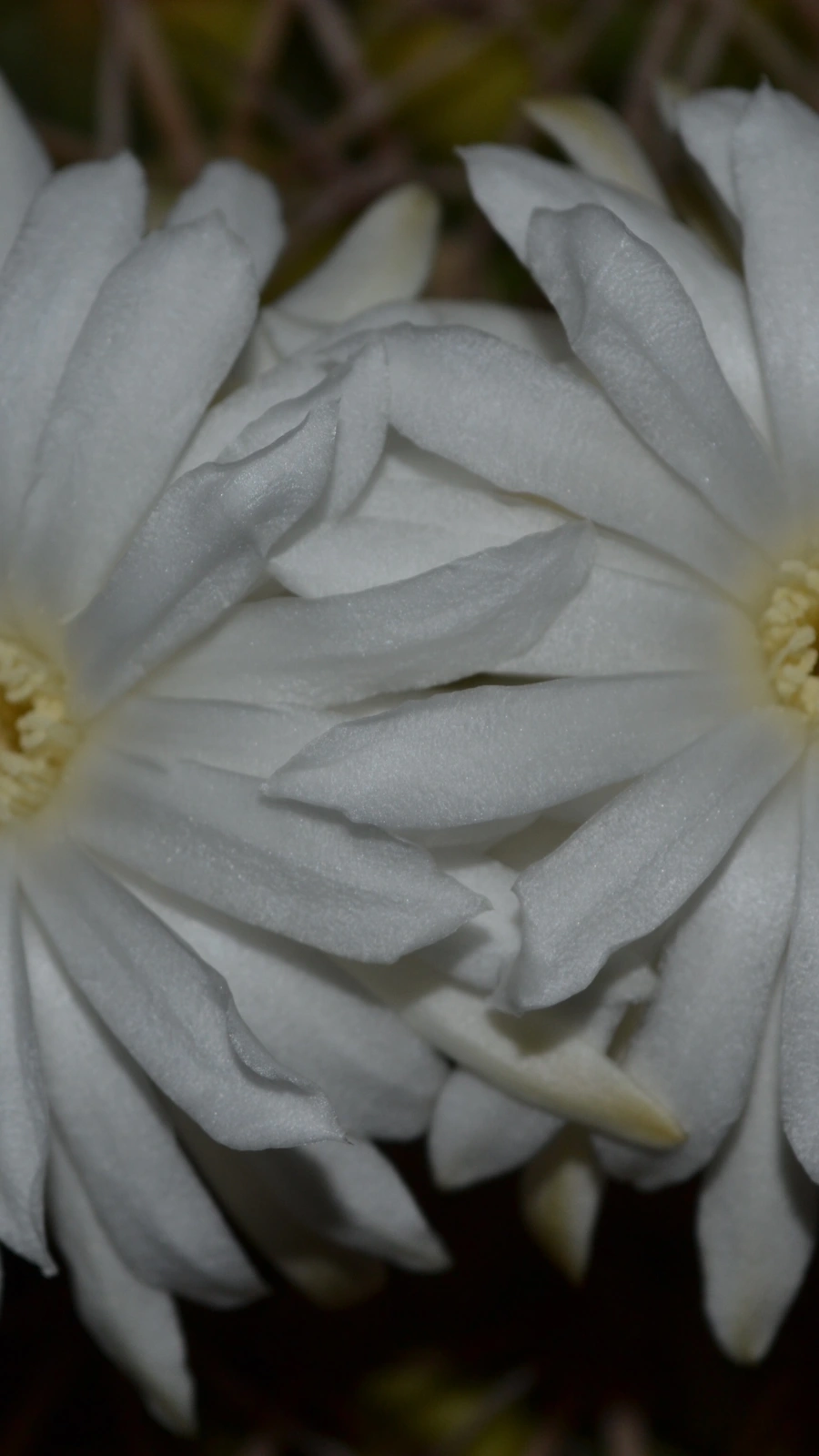 Reference image
Faria-Peres' Disc Cactus
Discocactus fariae-peresii is a highly coveted, endangered globose cactus belonging to the family Cactaceae 1. Endemic to the seasonal dry tropical regions of Brazil, it is characterized by its flattened globose stem, strong spination, and the distinctive cephalium at the crown from which nocturnal, highly fragrant white flowers emerge.
Belonging to the genus Discocactus, this species represents a relatively recent addition to the formal botanical literature. Taxonomists identified and described this species based on distinct morphological characteristics, separating it from closely related taxa within the Brazilian central plateau 2.
This succulent subshrub is native to Brazil, specifically recorded in Distrito Federal, Mato Grosso, Mato Grosso do Sul, and Goiás. It thrives in seasonally dry tropical biomes, often growing in rocky savannas (cerrado), quartzite outcrops, and gritty, nutrient-poor mineral soils 1.
The body of Discocactus fariae-peresii is solitary, depressed-globose, and features well-defined ribs. Sharp, curved spines emerge from woolly areoles along the ribs. Upon reaching maturity, the apex produces a dense, woolly cephalium. From this cephalium, large, funnelform white flowers bloom at night to attract specialized pollinators.
This species is notorious among growers for being extremely sensitive to overwatering and root rot. It requires a highly mineral substrate and is often cultivated as a grafted plant on robust rootstocks to bypass its fragile root system. Filtered sun and high temperatures are essential.
The most prevalent issue is root decay caused by organic-rich soils, poor drainage, or cold-moist winter conditions. Inadequate ventilation also invites pests.
Thrives in bright, filtered sunlight; protect from harsh, direct midday summer sun to prevent scorching.
Water sparingly in summer only after the soil has completely dried; keep completely dry during winter.
Requires an almost purely mineral mix of pumice, quartz grit, and volcanic rock with negligible organic content.
Equipped with sharp spines; handle with care using gloves or specialized tongs. Non-toxic to pets.
Very challenging due to its extreme sensitivity to overwatering, high cold-sensitivity, and fragile roots.
Indigenous to the central-western highlands of Brazil, where it grows in seasonally dry tropical climates, colonizing shallow pockets of quartz sand among rocky outcrops.
