
Light
Bright Indirect Light
Requires bright, indirect or filtered sunlight; avoid harsh, direct midday summer sun.
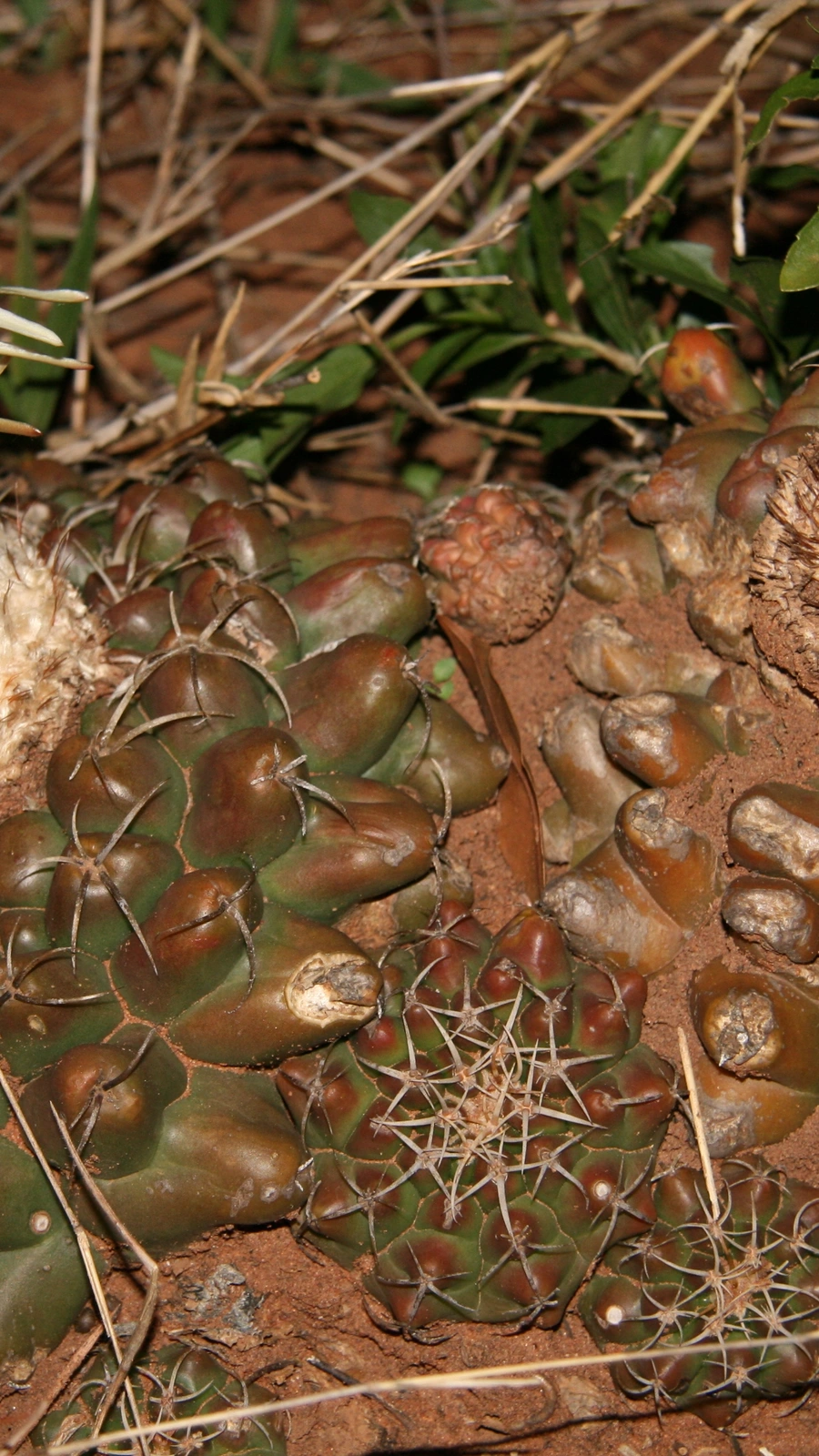 Reference image
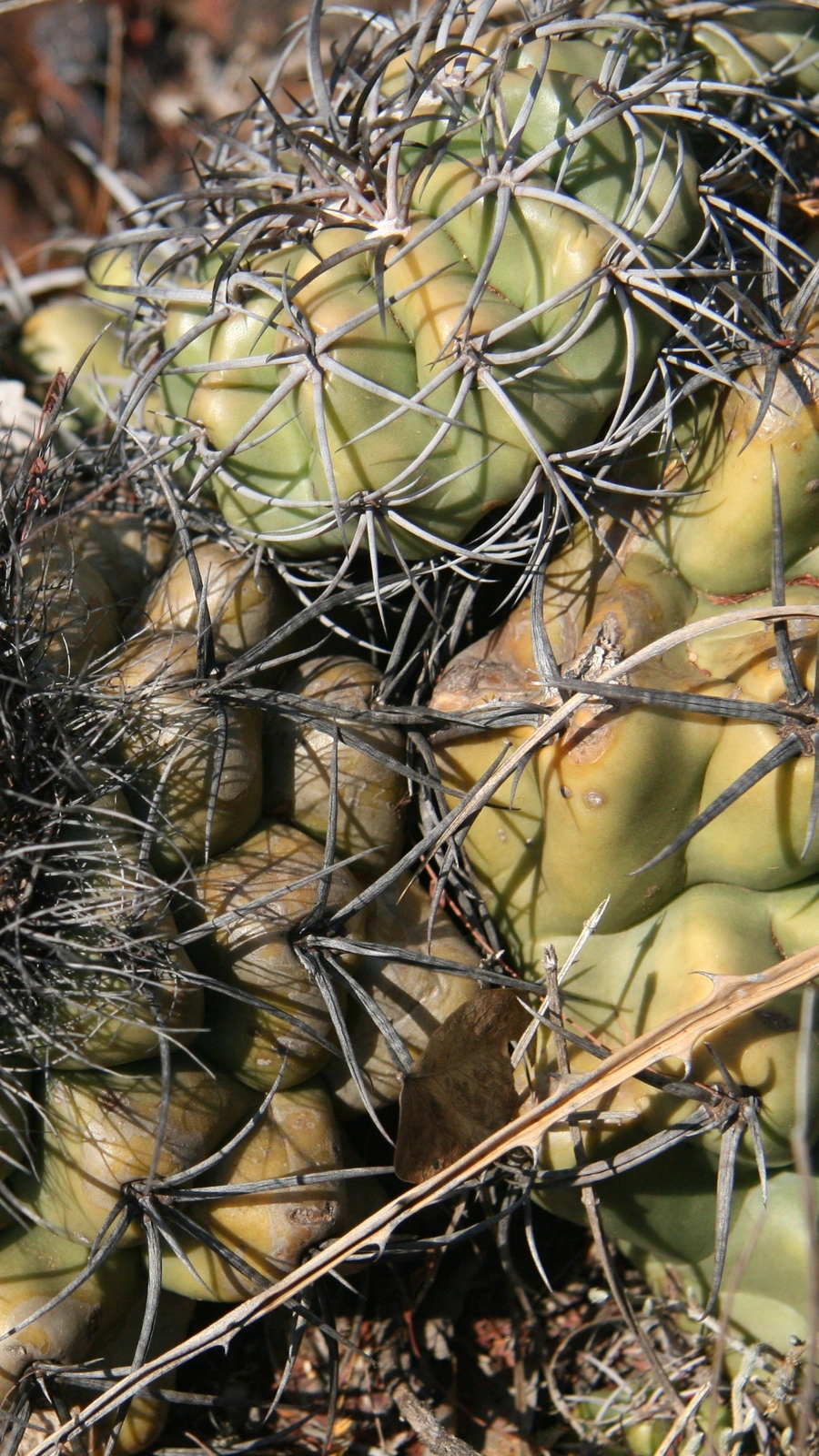 Reference image
Hartmann's Discocactus
Discocactus hartmannii is a rare and highly sought-after succulent cactus belonging to the Cactaceae family. Known for its flattened-globose shape, woolly terminal cephalium, and intensely fragrant nocturnal white flowers, it is a prized specimen among expert collectors 1.
Originally classified in the early 20th century, it belongs to the specialized genus Discocactus. The specific epithet hartmannii honors a botanical collector named Hartmann. It is closely related to and sometimes grouped under the Discocactus heptacanthus complex 2.
Native to Southern South America, its range spans Brazil (Distrito Federal, Goiás, Mato Grosso do Sul, Mato Grosso) and Paraguay 3. It thrives in seasonally dry tropical biomes, typically growing in sandy, gravelly soils, stony grasslands, or rocky outcrops under the light shade of deciduous shrubs.
The body is solitary, flattened-globose, dark green, featuring prominent tuberculate ribs with stout, recurved spines. Upon reaching maturity, it ceases vegetative growth and develops a woolly, bristly cephalium at the apex. Out of this cephalium, large, white, funnel-formed flowers emerge at night, emitting a strong, sweet perfume.
It requires a highly mineral, porous soil mix with exceptional drainage. Keeping the plant warm during winter (above 12°C) is vital, as cold-wet conditions lead to rapid root collapse 1. Moderate watering is preferred during active summer growth.
Overwatering is the primary cause of failure. Utilizing organic-rich soils that retain moisture or exposing the plant to drafts and temperatures below 10°C will quickly result in rot.
Requires bright, indirect or filtered sunlight; avoid harsh, direct midday summer sun.
Water moderately in summer only when soil is bone dry; keep completely dry in winter.
Use a strictly mineral-based mix with high amounts of pumice, gravel, and minimal organic matter.
Non-toxic to pets, but possesses sharp, curved spines that can cause physical injury.
Classified as hard/expert level due to strict watering requirements and root sensitivity.
Native to the seasonally dry tropical areas of Central Brazil and parts of Paraguay. It grows on rocky sandstone outcrops and gravelly soils, often sheltered under low shrubs from intense solar radiation.
