
Light
Bright Indirect Light
Requires bright, filtered sunlight; protect from harsh, direct midday summer sun.
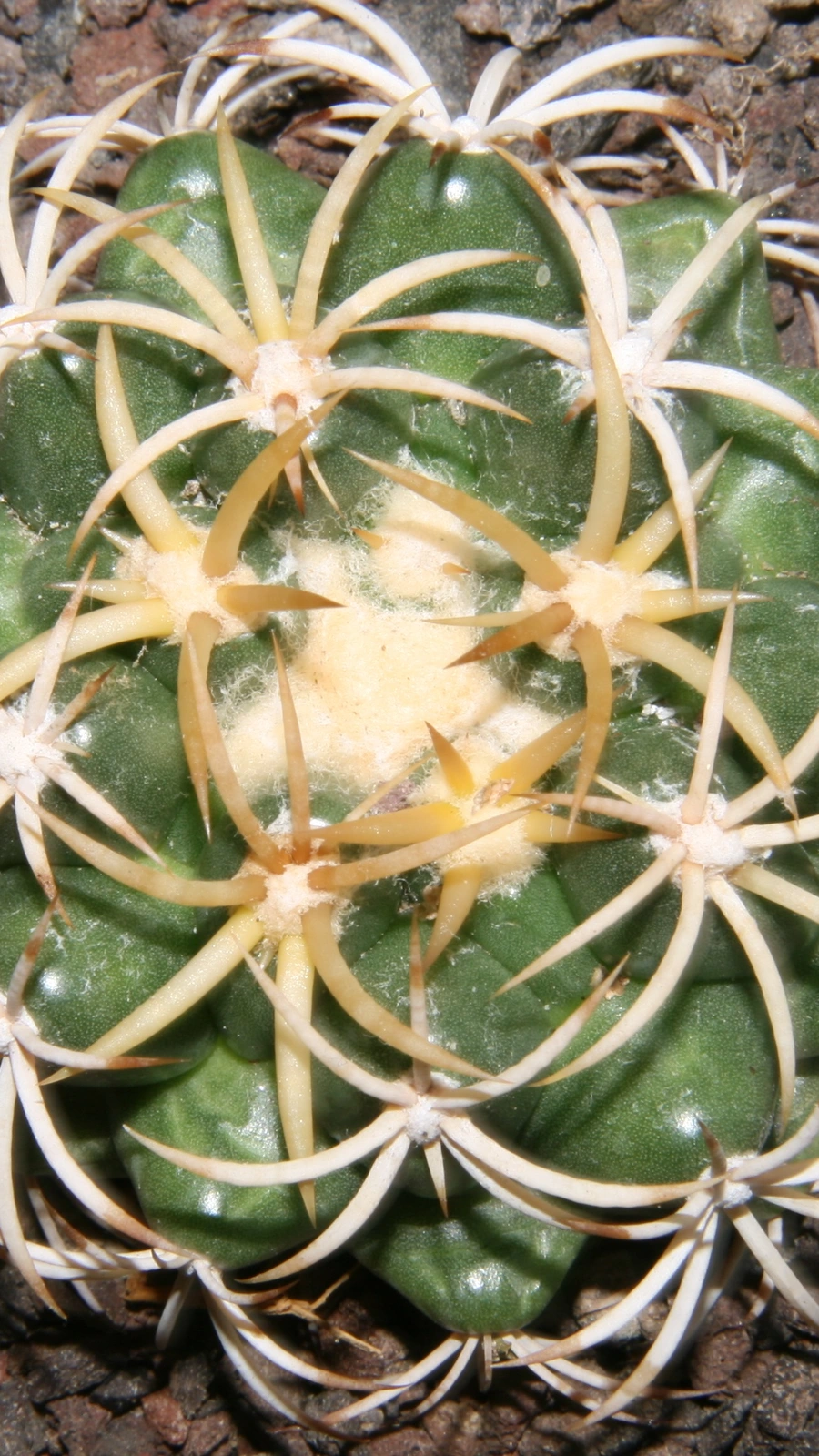 Reference image
Petr-Halfar's Discocactus
Discocactus petr-halfarii is an extremely rare and highly sought-after cactus species belonging to the Cactaceae family 1. Native to the arid, seasonally dry tropical regions of Brazil, this species is distinguished by its flattened globose stem and the development of a distinct woolly cephalium at its apex. It is critically endangered in the wild and demands expert cultivation skills due to its highly sensitive root system.
Named in honor of Petr Halfar, a respected contributor to cactus taxonomy, the genus Discocactus derives its name from the Greek word "discos", referring to its disc-like shape. The genus is globally recognized for its night-blooming, sweetly scented flowers that emerge from a specialized felt-like structure called a cephalium.
This species is endemic to northeastern Brazil, particularly throughout dry caatinga biomes in states like Bahia and Pernambuco 2. It grows in seasonally dry tropical climates, nestled among limestone outcrops or quartz gravels, demanding highly mineralized soils.
The dark green to grayish-green stem is flattened and ribbed, with areoles bearing curved, sharp spines. Upon reaching maturity, the plant stops growing vegetatively and develops a terminal cephalium consisting of creamy-white wool and bristles. Nocturnal, large white flowers emerge from this cephalium, releasing a powerful sweet fragrance.
Discocactus petr-halfarii is considered one of the most challenging cacti to cultivate. It is highly susceptible to root rot on its own roots, which is why collectors often grow it grafted onto hardier cactus stocks. It requires bright, indirect light, a fully mineral substrate, and constant warmth. Temperatures must never drop below 12°C during winter dormancy.
Overwatering during the winter rest period or exposing the plant to cold drafts are the primary causes of sudden collapse and rot 1. Additionally, shifting the plant's light orientation once the cephalium has formed can disrupt its blooming cycle.
Requires bright, filtered sunlight; protect from harsh, direct midday summer sun.
Allow substrate to dry out fully before watering. Keep almost dry in winter.
Exclusively mineral-based mix containing pumice, quartz sand, and very little clay.
Features sharp spines that can cause puncture wounds. Non-toxic to pets.
Extremely sensitive to cold and moisture; highly recommended for expert growers.
Endemic to the semi-arid caatinga regions of northeastern Brazil, where it grows in quartz gravel and rock crevices.
