
Light
Bright Indirect Light
Filtered morning sun or bright indirect light is ideal; direct midday sun can scorch the stems.
 Reference image
Orchid Cactus
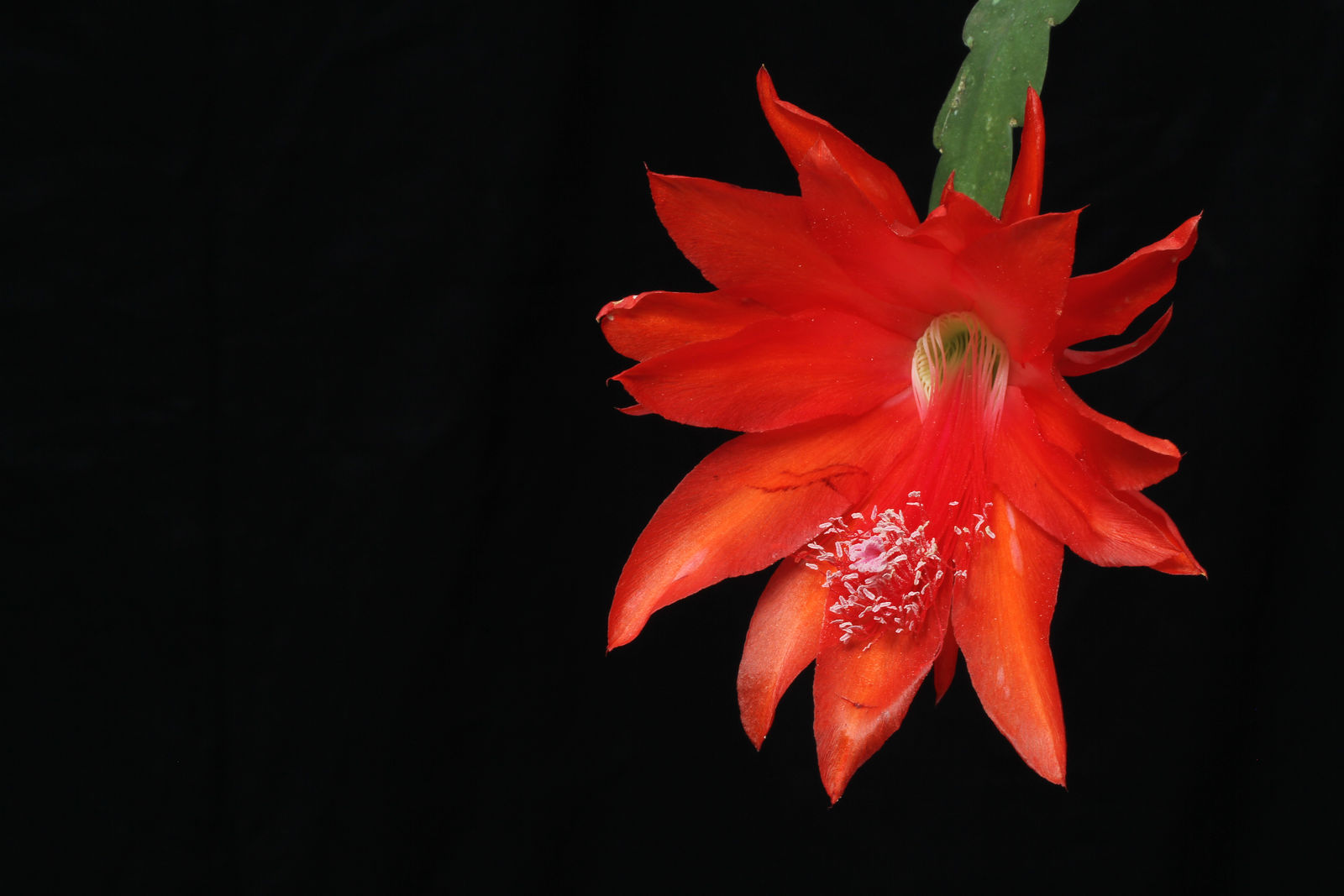
Disocactus ackermannii, commonly known as the orchid cactus, is an epiphytic cactus species celebrated for its magnificent, brilliant red flowers. Native to the tropical forests of Mexico, this plant grows on tree trunks and rock crevices, displaying a striking cascading habit 1.
The species was named after George Ackermann, who brought it to Europe in the early 19th century. Historically classified under the genera Epiphyllum or Nopalxochia, modern molecular studies have placed this species within the genus Disocactus 2.
This species is native to the montane cloud forests and seasonally dry tropical forests of southern and central Mexico, including states like Veracruz, Oaxaca, Puebla, and Chiapas 1. It thrives at elevations between 1,000 and 2,000 meters, clinging to trees in shaded, humid microclimates.
Disocactus ackermannii features flattened, leaf-like, jointed stems with scalloped edges. These branches initially grow upright but gracefully arch or dangle as they mature. The showstopping funnel-shaped flowers appear in spring and summer, boasting vibrant scarlet-red petals.
Unlike desert cacti, this epiphyte requires a well-draining, organic-rich soil mix mimicking forest detritus 2. It prefers bright, indirect or filtered sunlight rather than harsh direct sun. Regular watering during the active growing season is vital, allowing the topsoil to dry slightly between waterings.
The most common mistakes are overwatering in heavy, compacted soils (which leads to root rot) or treating it like a standard desert cactus by keeping it completely dry. Insufficient humidity and lack of a winter resting period can also prevent blooming.
Filtered morning sun or bright indirect light is ideal; direct midday sun can scorch the stems.
Water when the top layer of soil dries slightly; reduce watering significantly during winter rest.
Prefers a well-aerated, organic mix with orchid bark, perlite, and standard cactus soil.
Non-toxic and entirely safe for cats, dogs, and other household pets.
Moderate; highly rewarding for those who can maintain a balance of humidity and good drainage.
Native to the montane cloud forests of southern and central Mexico, specifically in regions like Oaxaca, Chiapas, and Veracruz, where it grows epiphytically on forest trees.
