
Light
Filtered Sun
Filtered sun or bright indirect light is best; avoid intense midday sun.
 Reference image
 Reference image
Blom's Epiphytic Cactus
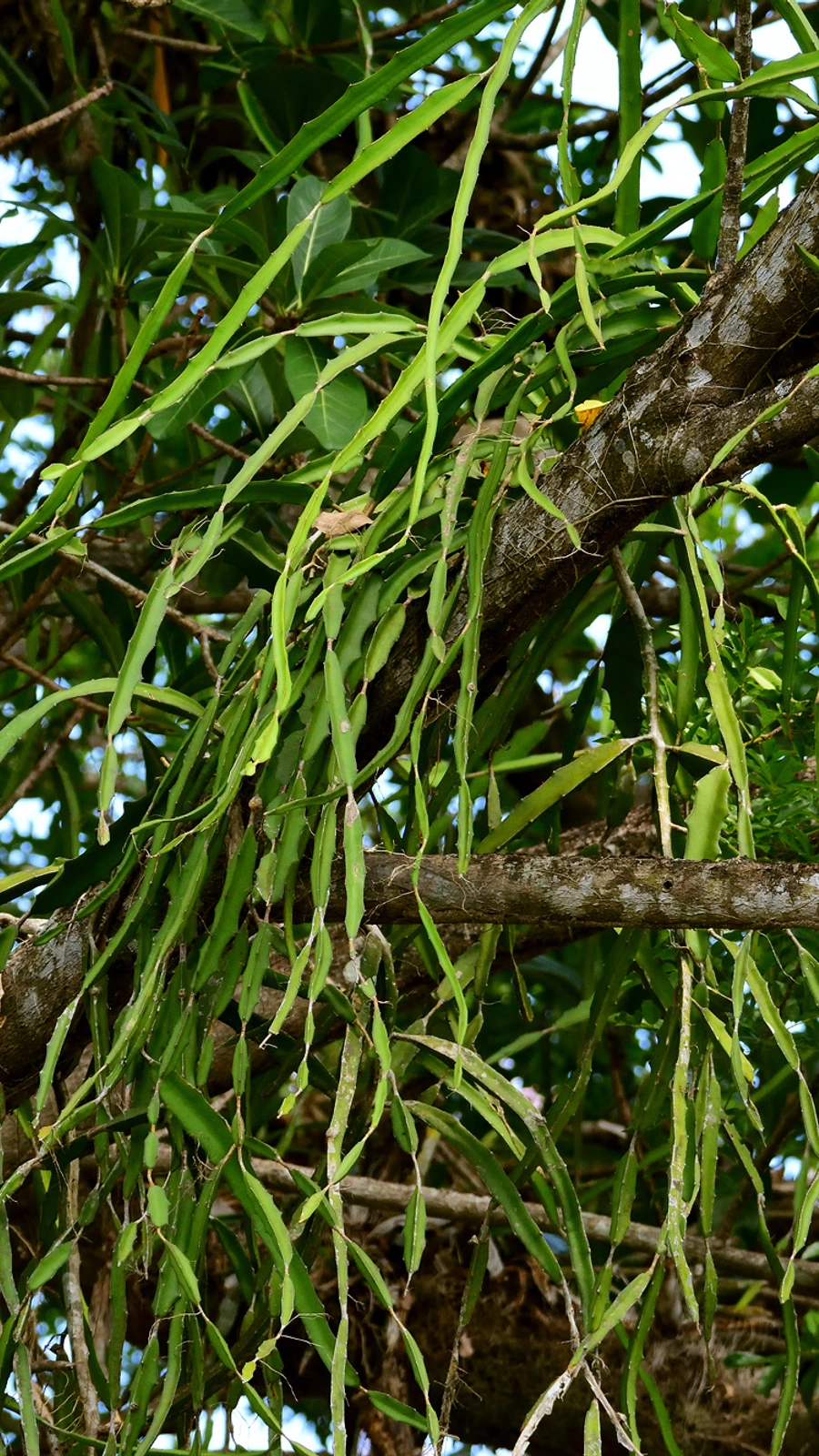
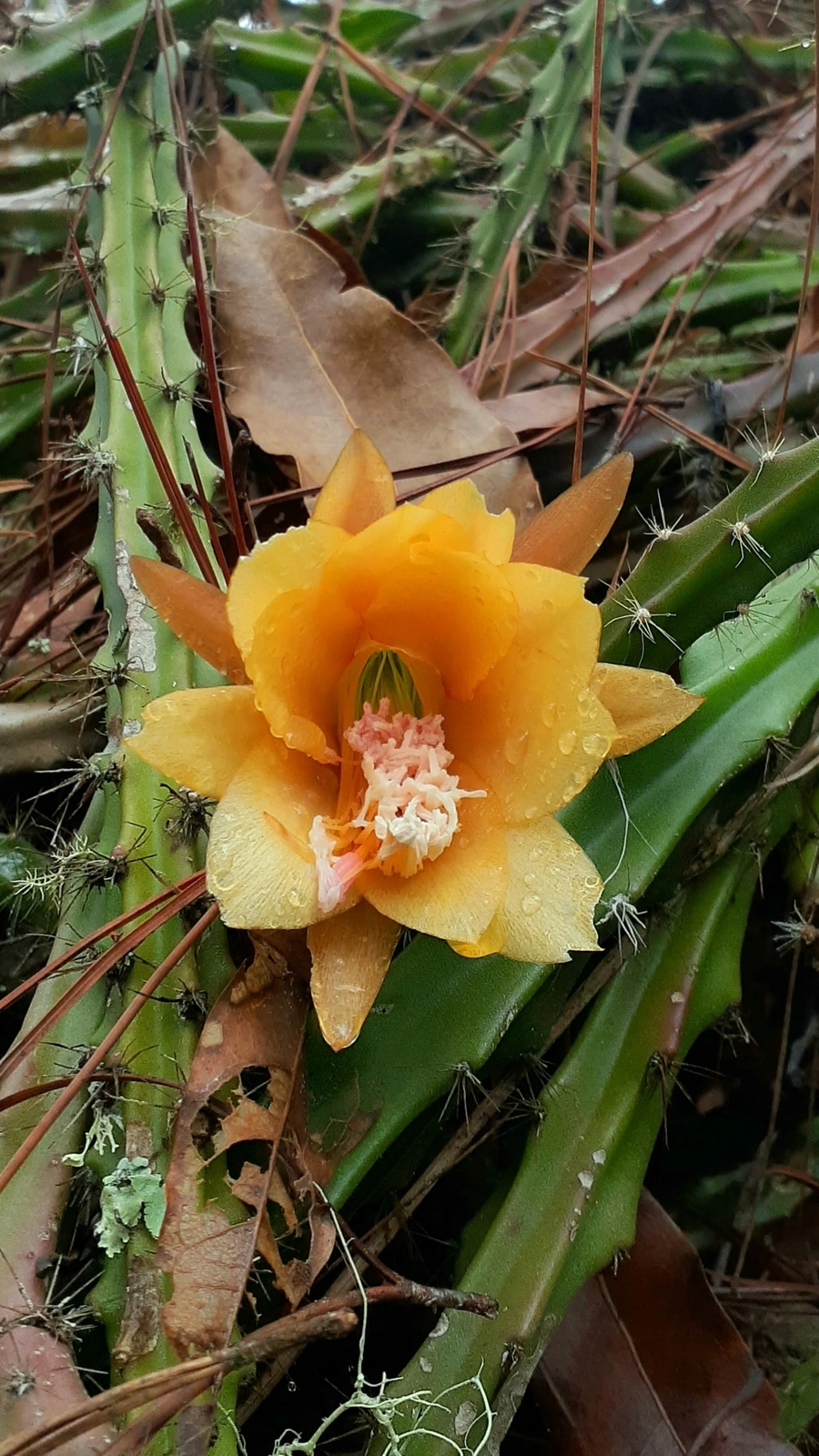
Disocactus blomianus is a striking epiphytic cactus species belonging to the Cactaceae family, native to the tropical regions of southern Mexico 1. Growing on tree branches, this highly ornamental succulent is celebrated for its flattened, leaf-like stems and elegant fragrant blooms.
The species is classified within the genus Disocactus, a group well-known for its diverse epiphytic cacti. Historically linked to taxonomic revisions of forest cacti, it showcases specialized adaptations to non-terrestrial life 2.
This species is native to southern Mexican states including Chiapas, Tabasco, Yucatán, and Quintana Roo 1. It thrives in seasonally dry tropical forests, growing as an epiphyte on tree trunks and branches where it collects organic debris 2.
It features pendulous, flattened, and deeply lobed or wavy-edged green stems. The flowers are typically cream-white to pale yellow, opening during the night or early morning, emitting a subtle, sweet fragrance to attract nocturnal pollinators 3.
Under cultivation, Disocactus blomianus prefers bright, filtered sunlight and high humidity. It requires a highly aerated potting medium composed of orchid bark, perlite, and peat, mimicking its natural canopy environment 3.
The most frequent issue is root rot caused by waterlogged, heavy soils or overwatering. Unlike desert cacti, it needs consistent humidity, but its roots must never sit in stagnant water.
Filtered sun or bright indirect light is best; avoid intense midday sun.
Keep soil lightly moist in summer; allow to dry out almost completely in winter.
Requires an airy, organic-rich epiphytic substrate with bark and perlite.
Non-toxic to cats and dogs.
Moderate care; needs higher humidity and looser soil than desert cacti.
Native to the canopy of seasonally dry tropical forests in southern Mexican states like Chiapas, Tabasco, Yucatán, and Quintana Roo.
