
Light
Filtered Sun
Prefers filtered sunlight or bright indirect light; direct sun can scorch the stems.
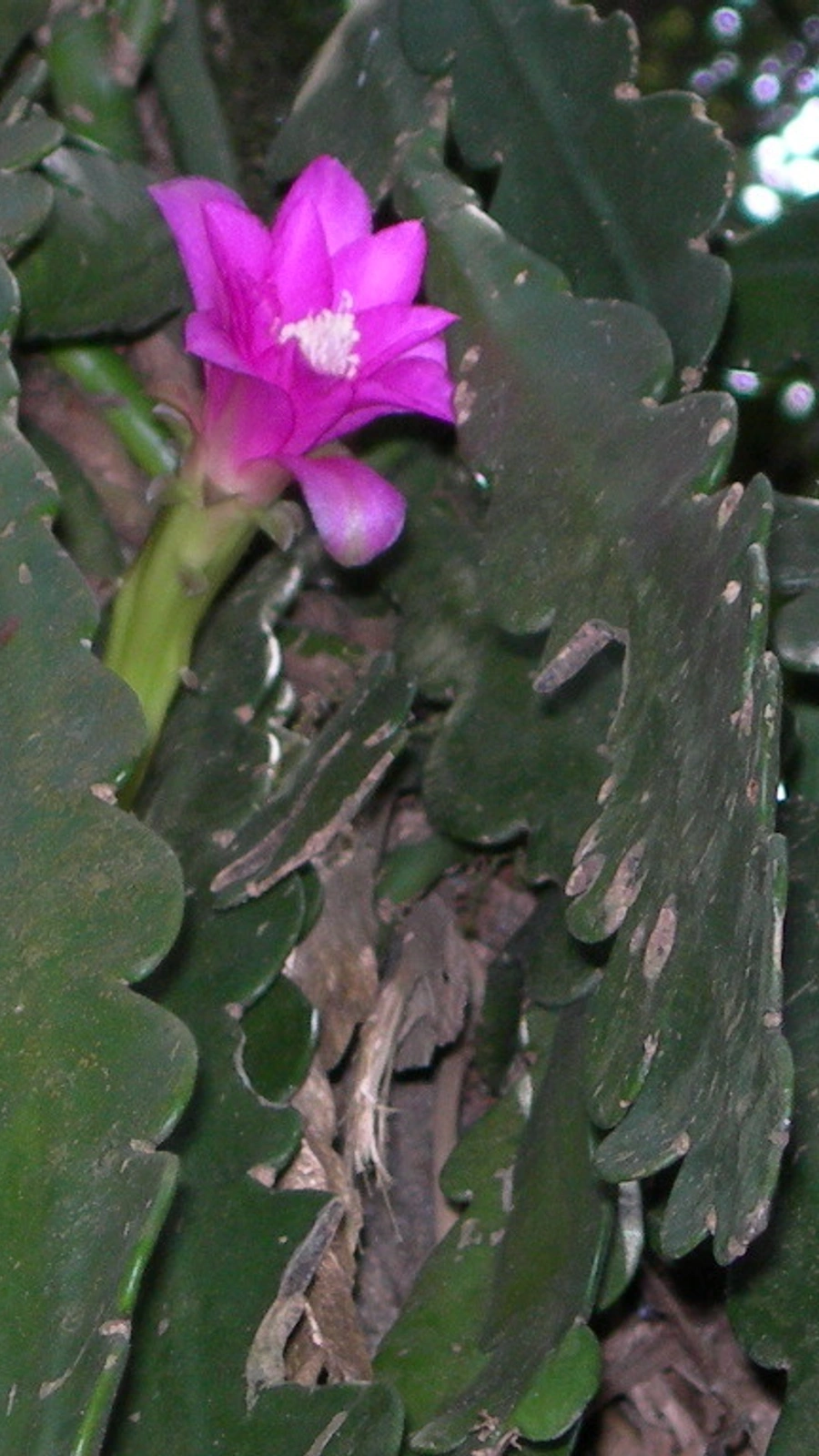 Reference image
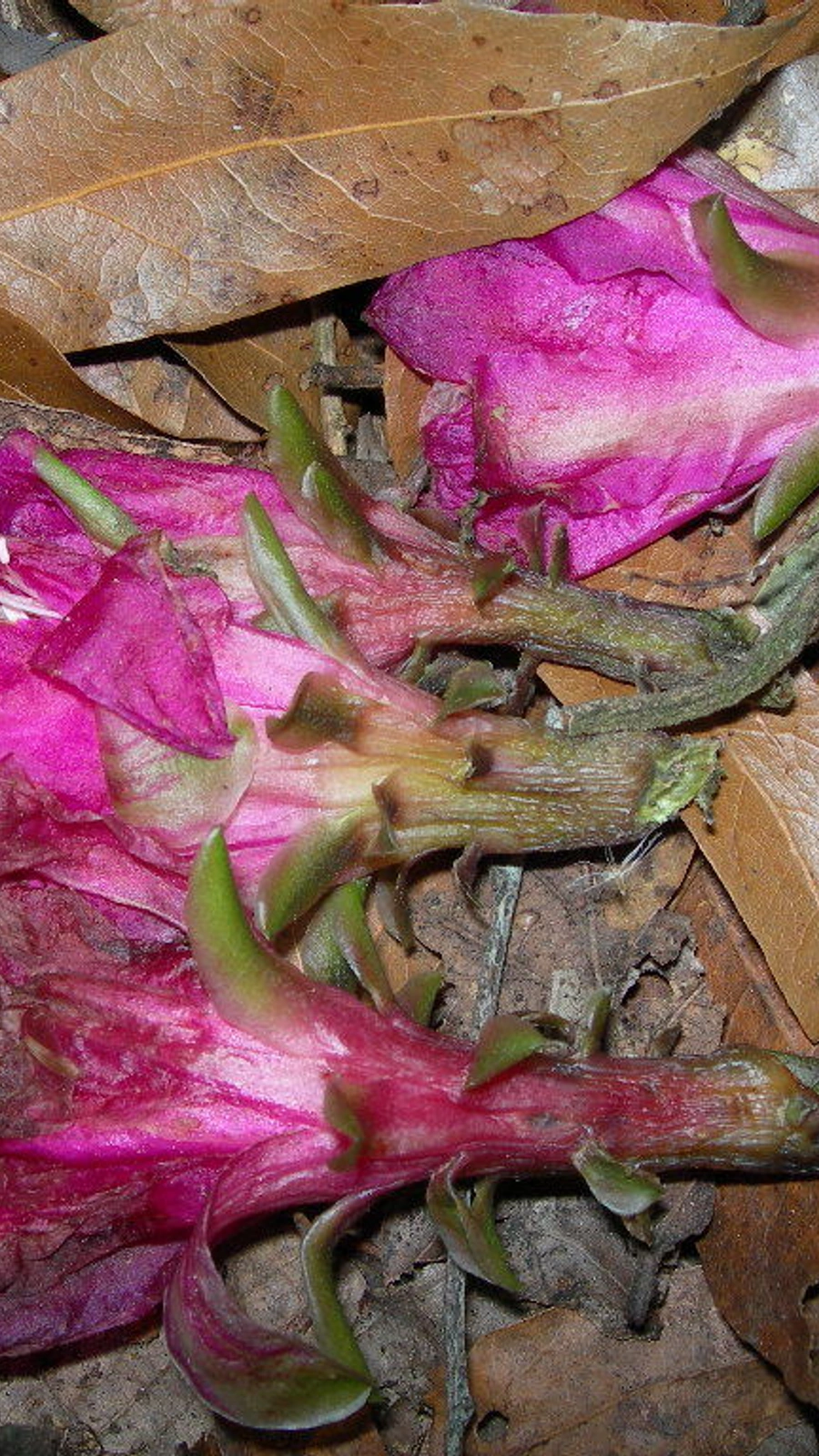 Reference image
MacDougall's Epiphytic Cactus
Disocactus macdougallii is a rare and highly ornamental epiphytic cactus belonging to the Cactaceae family. Due to habitat loss and narrow distribution, this species is considered critically endangered 1. It is highly prized by succulent and cactus collectors worldwide.
Belonging to the genus Disocactus, this species was named after the botanist Thomas MacDougall. Historically, it has been associated with genera like Lemaireocereus and Acanthocereus, but modern taxonomy places it firmly within Disocactus based on physical and genetic traits 2.
It is native to the seasonally dry tropical forests of Chiapas and adjacent regions in southern Mexico. In these biomes, it grows primarily as an epiphyte on tree branches, enjoying high ambient humidity and seasonal rain cycles 1.
The plant features trailing or climbing, multi-angled green stems. The areoles carry fine, needle-like spines. It produces spectacular tubular flowers, typically in shades of bright pink, magenta, or red, which bloom during spring.
Since it is an epiphyte, it must not be exposed to harsh, direct sunlight; instead, filtered sun is ideal. The soil mix should be loose, consisting of peat, bark, and perlite. Water thoroughly but allow the top inches of soil to dry out between waterings.
The most frequent mistake is using heavy, water-retaining garden soil, which leads to root and stem rot 2. Additionally, failing to reduce watering in winter prevents the plant from entering its natural dormancy.
Prefers filtered sunlight or bright indirect light; direct sun can scorch the stems.
Water regularly during summer when the soil dries; keep barely moist in winter.
Requires an airy, organic-rich epiphytic mix with bark and perlite.
Non-toxic to pets, but handle with care due to small spines.
Moderately easy if overwatering is avoided and air humidity is maintained.
Native to the southern Mexican tropical regions, growing on tree trunks in seasonally dry deciduous forests.
