
Light
Bright Indirect Light
Prefers bright, indirect light or filtered morning sun. Avoid harsh midday direct sunlight.
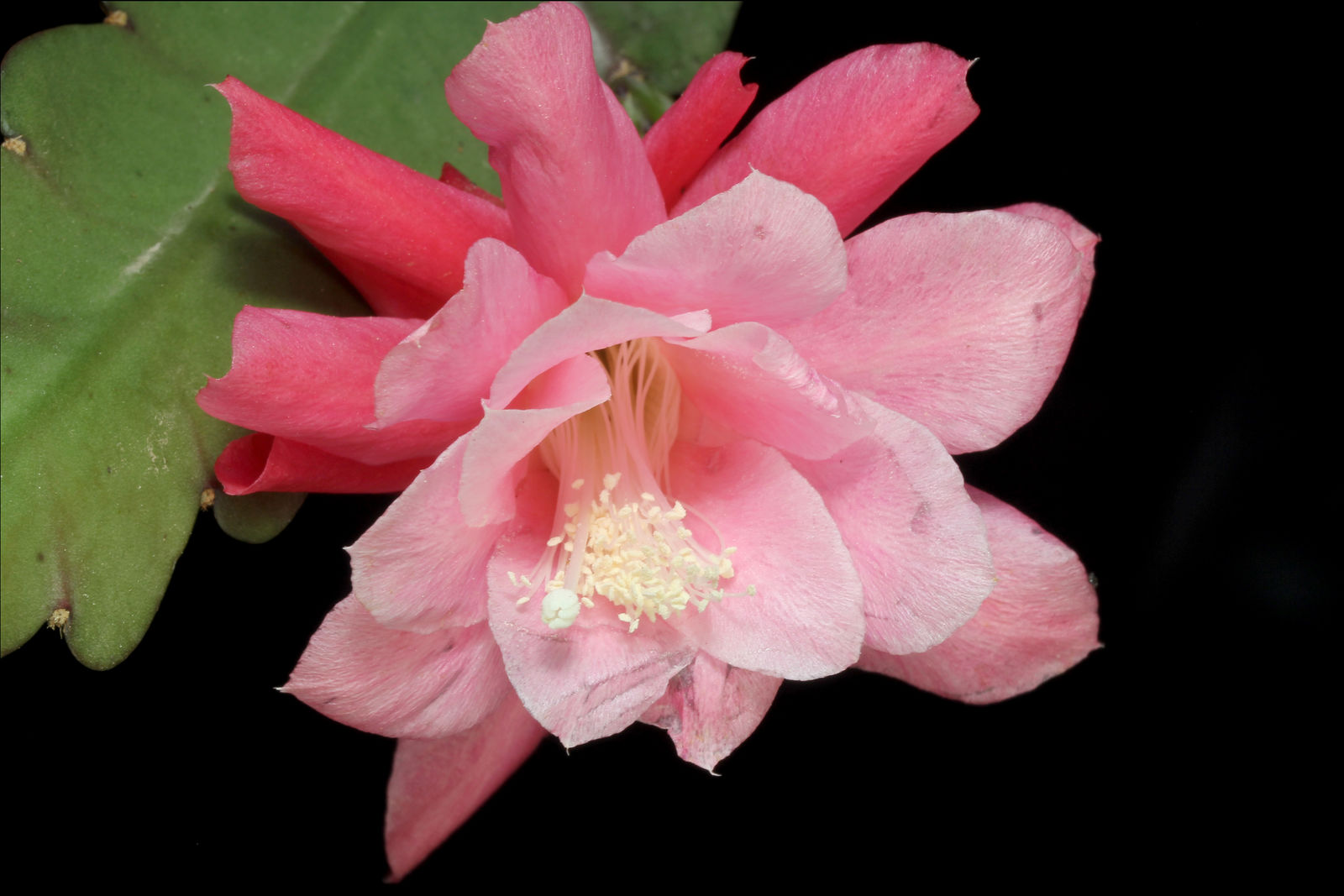 Reference image
Pond Lily Cactus
Disocactus phyllanthoides, commonly known as the Pond Lily Cactus or German Empress, is an epiphytic cactus species celebrated for its prolific, brilliant pink flowers 1. Unlike typical desert cacti, this plant grows on tree trunks and rocky ledges in humid, forested environments, cascading elegantly over pots.
Historically classified as Cereus phyllanthoides by de Candolle in 1829, it has also been known under the genus Nopalxochia. Today, under Kew taxonomy, it belongs to Disocactus 12. The specific epithet phyllanthoides highlights its leaf-like flattened stems.
Native to southern and eastern Mexico, including regions such as Puebla, Veracruz, and Oaxaca 1. It thrives in seasonally dry tropical biomes, growing nested in organic debris on high tree branches where it receives filtered light and high humidity.
The plant features flattened, lanceolate green stems (cladodes) with crenate margins. It is virtually spineless. In late spring, it produces a spectacular show of funnel-shaped, multi-petaled rose-pink flowers that measure up to 10 cm long.
In cultivation, it requires conditions that mimic a moist tropical canopy. It demands bright, filtered sunlight, well-draining organic soil, and moderate, consistent moisture without waterlogging. Good air circulation is essential 1.
Overwatering in heavy garden soil is the leading cause of root rot. Conversely, keeping the plant too dry during its spring blooming cycle can cause premature bud drop. Exposure to harsh direct noon sun will bleach and blister the foliage.
Prefers bright, indirect light or filtered morning sun. Avoid harsh midday direct sunlight.
Water when the top inch of soil feels dry. Never let the roots sit in water.
Loose, well-draining epiphytic mix containing pine bark, peat, and perlite.
Safe and non-toxic for both humans and common domestic pets like cats and dogs.
Moderate. Requires more humidity and regular watering than desert cacti, but is highly rewarding.
Endemic to the seasonally dry tropical forests of southern and eastern Mexico, predominantly in regions such as Puebla and Veracruz, growing as an epiphyte on forest trees.
