
Echinocactus × constrictus

Constricted Barrel Cactus

Overview

Echinocactus × constrictus is a rare natural hybrid cactus taxon belonging to the Cactaceae family 1. It is highly prized among succulent enthusiasts for its robust body shape and distinctive ribbing.

Taxonomy and Naming

Classified as a hybrid within the Echinocactus genus, this taxon displays intermediate morphological characteristics 2. The specific epithet "constrictus" refers to the slight constriction or narrowing often observed along its ribbed stem.

Distribution and Habitat

This hybrid naturally occurs on arid limestone slopes and rocky hillsides in Mexico 1. It thrives in environments characterized by intense solar radiation, low precipitation, and well-aerated rocky substrates.

Appearance

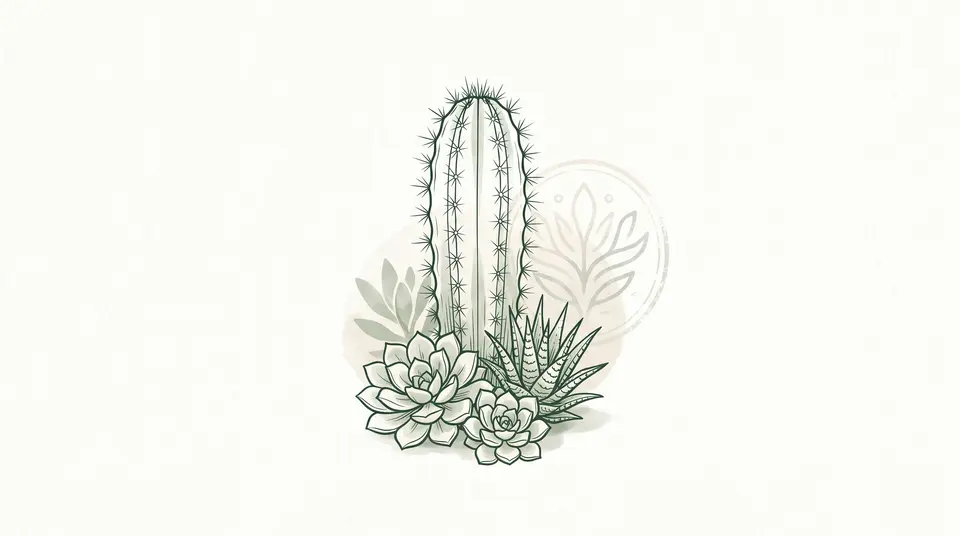
Initially globose, the stem becomes columnar with age. It features deep, prominent ribs lined with woolly areoles that bear sharp, rigid spines. The flowers, typically yellow, emerge from the apical wool at the crown 2.

Cultivation and Care

It requires full sun exposure and a highly porous, mineral-rich substrate to prevent moisture retention. Watering should be thorough but infrequent, allowing the soil to dry out completely. Winter watering should be suspended 3.

Common Care Mistakes

Excessive watering, especially during the cold winter dormancy, is the leading cause of root rot. Insufficient light leads to etiolation, causing the cactus to stretch unnaturally.

References

  1. Plants of the World Online (POWO). "Echinocactus × constrictus". Kew Science.
  2. Anderson, E. F. (2001). The Cactus Family. Timber Press.
  3. Hunt, D. (2006). The New Cactus Lexicon. DH Books.
Light

Full Sun

Requires full, direct sun; shade will cause weak and deformed growth.
Watering

10-30 Days

Allow soil to dry out entirely between waterings; keep dry in winter.

Soil

Well-draining, sandy, porous, and mineral-rich cactus substrate

Use a highly porous mix rich in pumice, coarse sand, and minerals.

Safety

Pet Friendly

Non-toxic, but sharp spines present a physical hazard to pets and children.

Difficulty

Moderate

Moderately easy if watering is strictly controlled and sun is abundant.

Native Habitat

Mexico

Native to the arid, rocky limestone hillsides of Mexico's dry semi-desert regions.

Frequently Asked Questions

Is Echinocactus × constrictus toxic to pets?
No, it is non-toxic. However, its sharp, stiff spines present a physical risk of injury to pets and children.
What kind of soil should be used for pot cultivation?
Use a highly mineral, gritty cactus mix rich in pumice, perlite, and coarse sand to ensure rapid drainage.
How often should it be watered in summer?
Water thoroughly only when the soil is completely dry, which is typically about once every 10 days during hot summer weather.
Should it be watered in winter?
During winter dormancy (kept around 5-10°C), the plant must be kept completely dry with virtually no watering.
Where should it be placed indoors?
Place it near south or west-facing windows where it can receive at least 6 hours of direct sunlight daily.
How fast does it grow?
Echinocactus species are very slow-growing. Visible increases in size typically take several years.
How do you encourage it to bloom?
Providing plenty of summer sun and a cool, completely dry winter dormancy will encourage mature specimens to bloom.
How often should it be repotted?
Due to its slow growth, repotting only every 3-4 years in early spring into a slightly larger pot is sufficient.
How can root rot be prevented?
Ensure perfect drainage with porous soil, never let water sit in the saucer, and only water when the substrate is bone dry.
What causes etiolation (stretching and thinning)?
Etiolation indicates that the plant is not receiving enough light. Move it immediately to a spot with more direct sunlight.