
Light
Direct Sun
Requires at least 6 hours of direct sunlight daily. Best placed on south-facing windows.
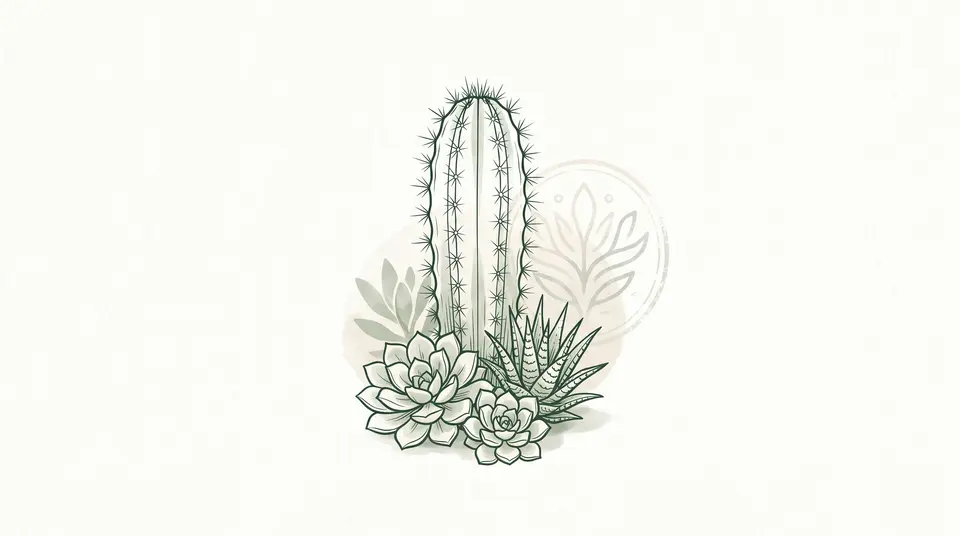 Reference image
Sessile Barrel Cactus
Echinocactus sessilis is a rare and taxonomically fascinating cactus species within the Cactaceae family. Known for its globose shape and prominent spination, this species is highly sought after by succulent enthusiasts 1. It is highly specialized for arid survival.
Classified under the genus Echinocactus, the specific epithet sessilis refers to its stalkless (sessile) flower structures 2. Although some modern authorities debate its distinct status or group it with related barrel cacti, historical botanical literature treats it with unique characteristics 1.
This species is native to the semi-arid and rocky desert zones of Mexico. It thrives in well-drained, limestone-rich soils on sunny slopes, enduring extreme diurnal temperature fluctuations and prolonged droughts.
The stem is globose when young, occasionally becoming slightly cylindrical as it ages. It features deep, distinct ribs adorned with neat areoles. The flowers arise directly from the woolly apex, characterized by their lack of stalks and pale yellow coloration 2.
Successful cultivation requires maximum sunlight, highly porous soil, and minimal watering. In winter, the plant must be kept dry and cool to stimulate the natural dormancy period.
Overwatering is the primary cause of failure, quickly leading to root and stem rot. Insufficient light causes etiolation, stretching the cactus and weakening its structural integrity.
Requires at least 6 hours of direct sunlight daily. Best placed on south-facing windows.
Water only when the soil is bone dry. Reduce watering to a bare minimum in winter.
Use a specialized mineral mix with high ratios of pumice, grit, and coarse sand.
Non-toxic, but the sharp spines pose a physical hazard to children and pets.
Moderately easy if watering is strictly regulated; highly susceptible to rot from excess moisture.
Native to the dry, rocky limestone hillsides and gravelly desert soils of Mexico.
