
Light
Direct Sun
Requires full sun, ideally at least 6 hours of direct sunlight daily on a south-facing windowsill.
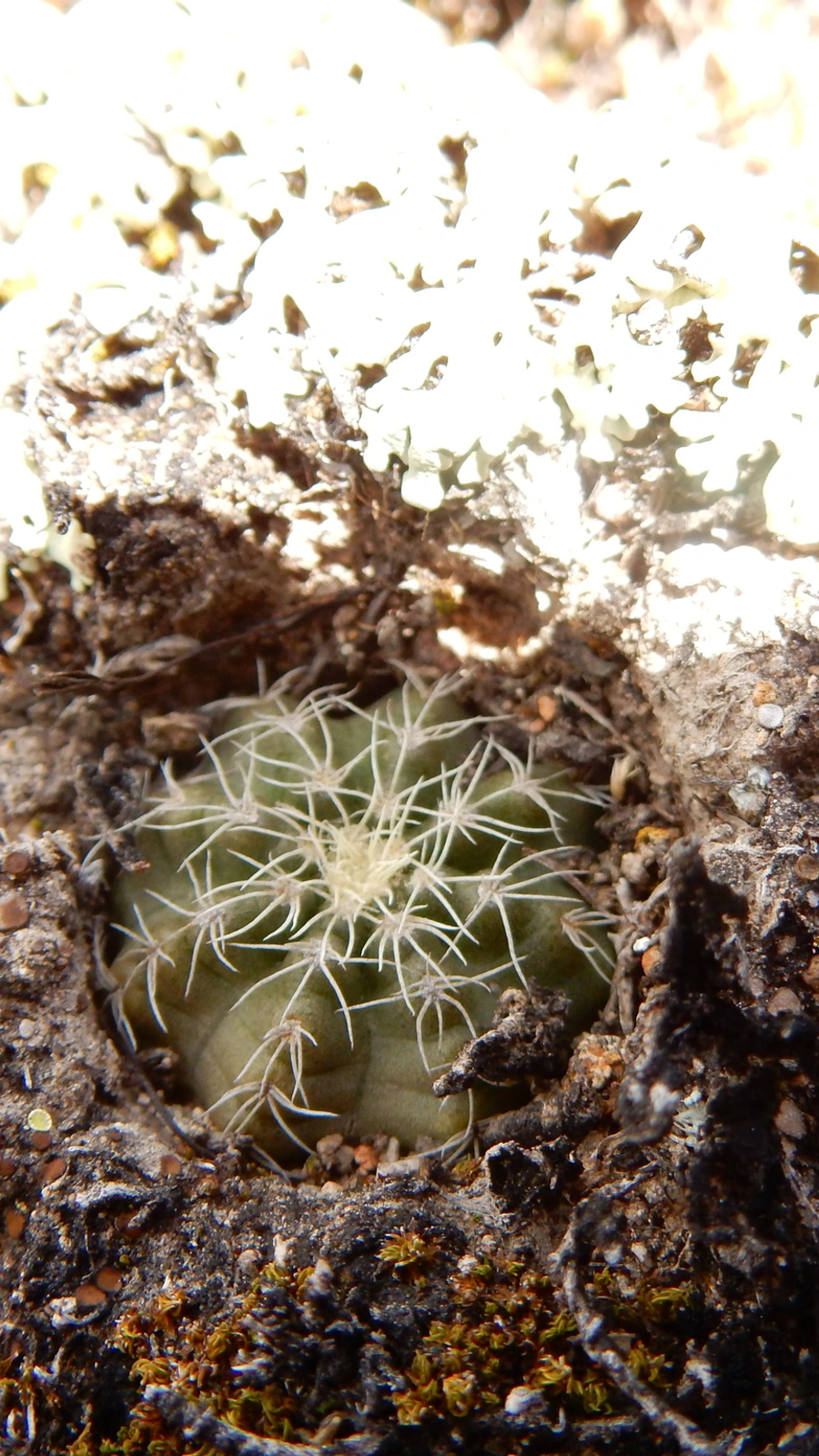 Reference image
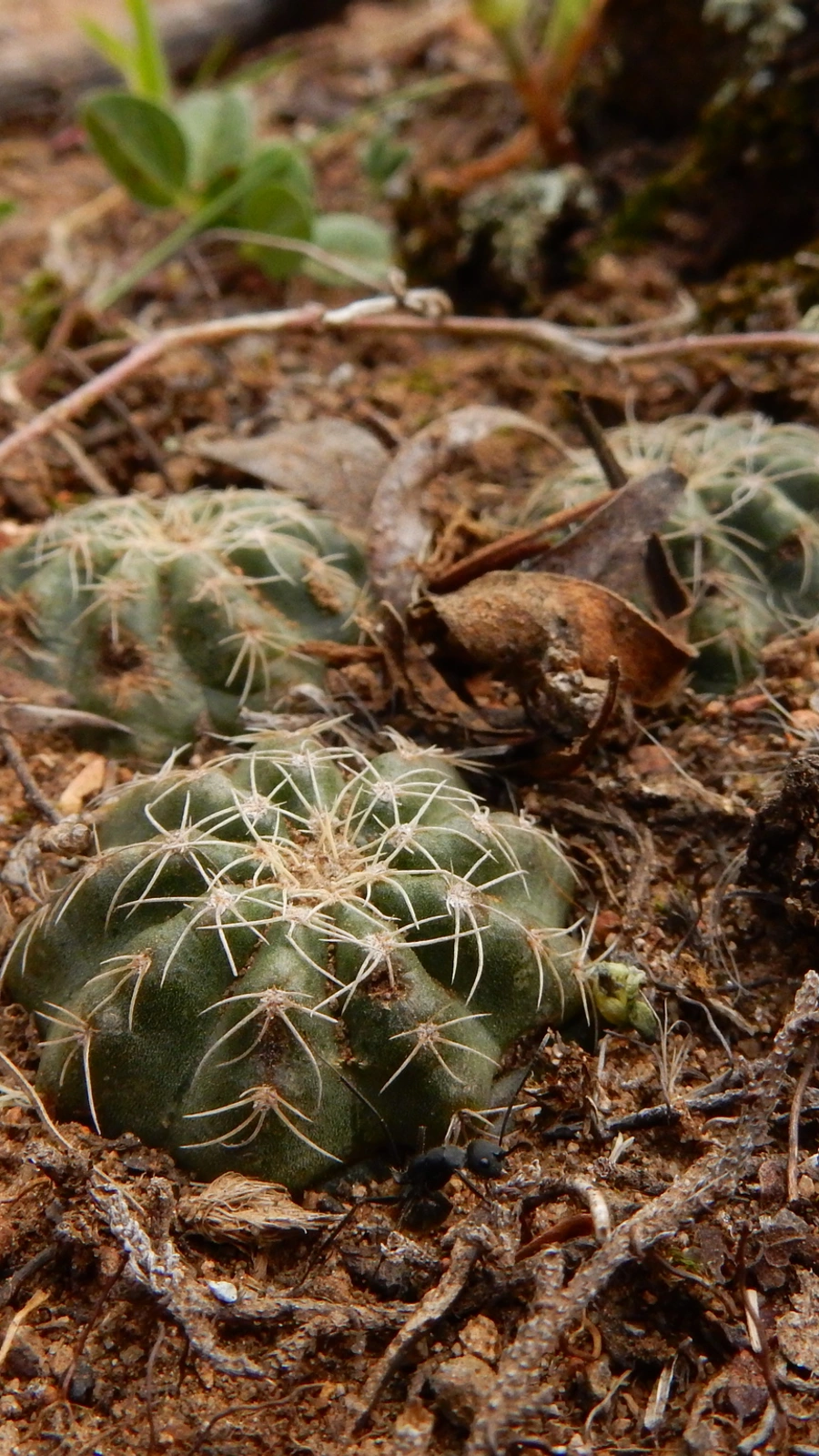 Reference image
Bristly Hedgehog Cactus
Echinocereus acanthosetus is a highly sought-after succulent subshrub belonging to the Cactaceae family. Known for its clustering habit and remarkably fine, bristly spination, this species is highly valued by succulent collectors for both its architectural form and its spectacular, large magenta flowers 1.
Classified within the genus Echinocereus, the specific epithet acanthosetus is derived from the Greek 'acanthos' (spine) and the Latin 'seta' (bristle). This refers directly to the fine, needle-like spines covering the ribs of the plant. Historically, its taxonomic status has occasionally been grouped under complex alliances with Echinocereus subinermis 2.
This species is native to the arid and semi-arid regions of Mexico. It thrives in desert shrublands, rocky slopes, and limestone or volcanic outcrops, often growing under the light canopy of desert shrubs or in fully exposed rocky crevices 1.
The stems are cylindrical to globose, forming small, dense clumps over time. The ribs are well-defined and lined with closely spaced areoles. The spines are characteristically thin, flexible, and bristle-like, often golden-yellow to greyish-brown. During late spring, it produces large, funnelform flowers near the stem tips that display vivid shades of pink and purple 12.
In cultivation, Echinocereus acanthosetus requires maximum sunlight to maintain its dense spine growth and to promote flowering. Soil must be extremely porous with perfect drainage. Water thoroughly during the active spring and summer growth phases, allowing the media to dry completely between applications 2.
The most critical mistake is overwatering, especially in winter, which quickly causes root rot. Insufficient sunlight leads to etiolation, where the stems stretch, weaken, and lose their dense spine coverage.
Requires full sun, ideally at least 6 hours of direct sunlight daily on a south-facing windowsill.
Water only when the substrate is completely dry during summer; keep dry during winter dormancy.
Use a highly mineral mix consisting of 70% pumice, volcanic grit, and coarse sand.
Non-toxic, but the fine, bristly spines can easily pierce the skin; handle with thick gloves.
Moderate difficulty; highly dependent on strict watering discipline and seasonal dry rest.
Native to the dry shrublands and rocky volcanic hillsides of Mexico, where it grows in mineral-rich, well-draining soils.
