
Light
Direct Sun
Thrives in full direct sun. At least 6 hours of direct sunlight is necessary.
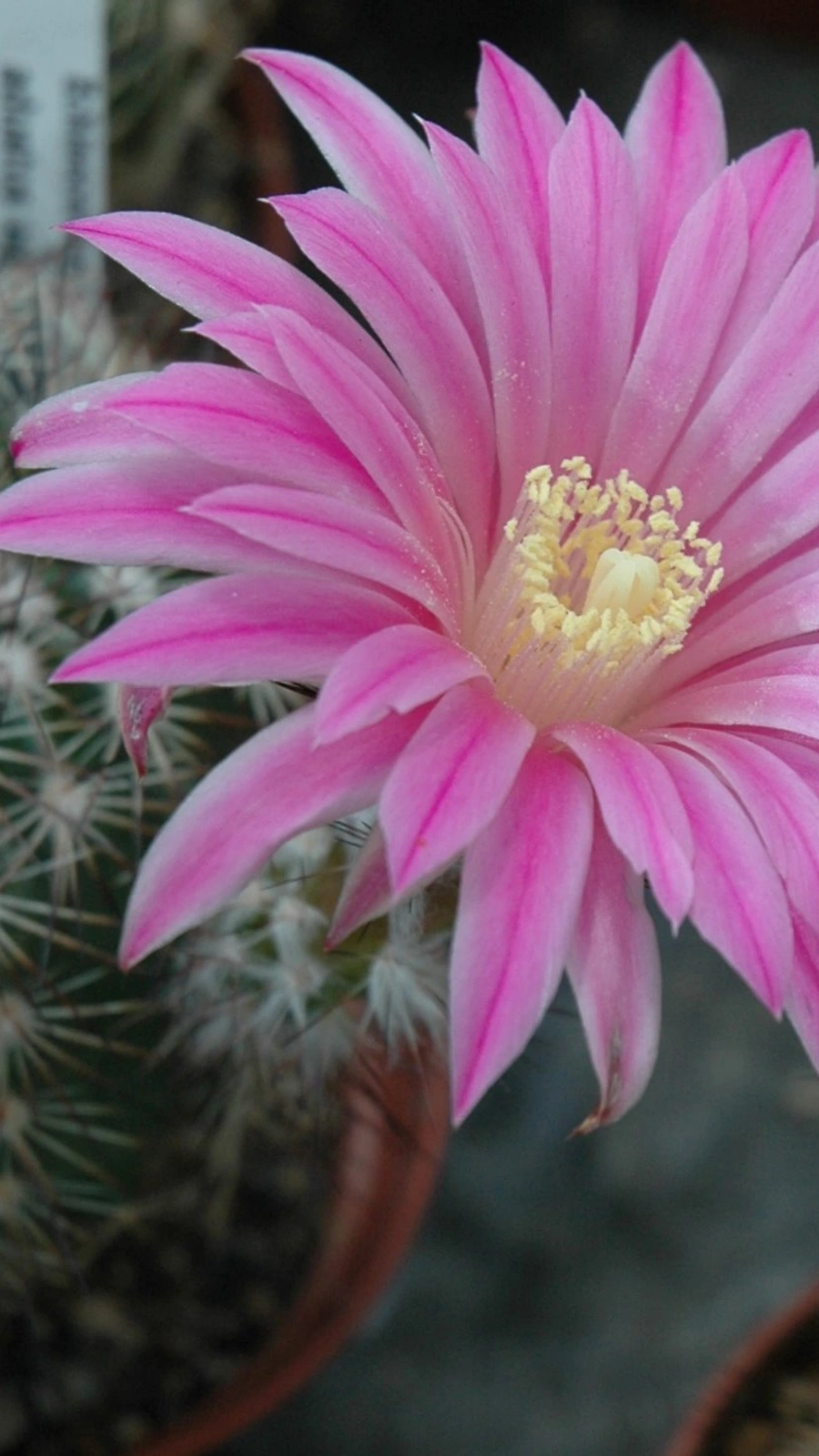 Reference image
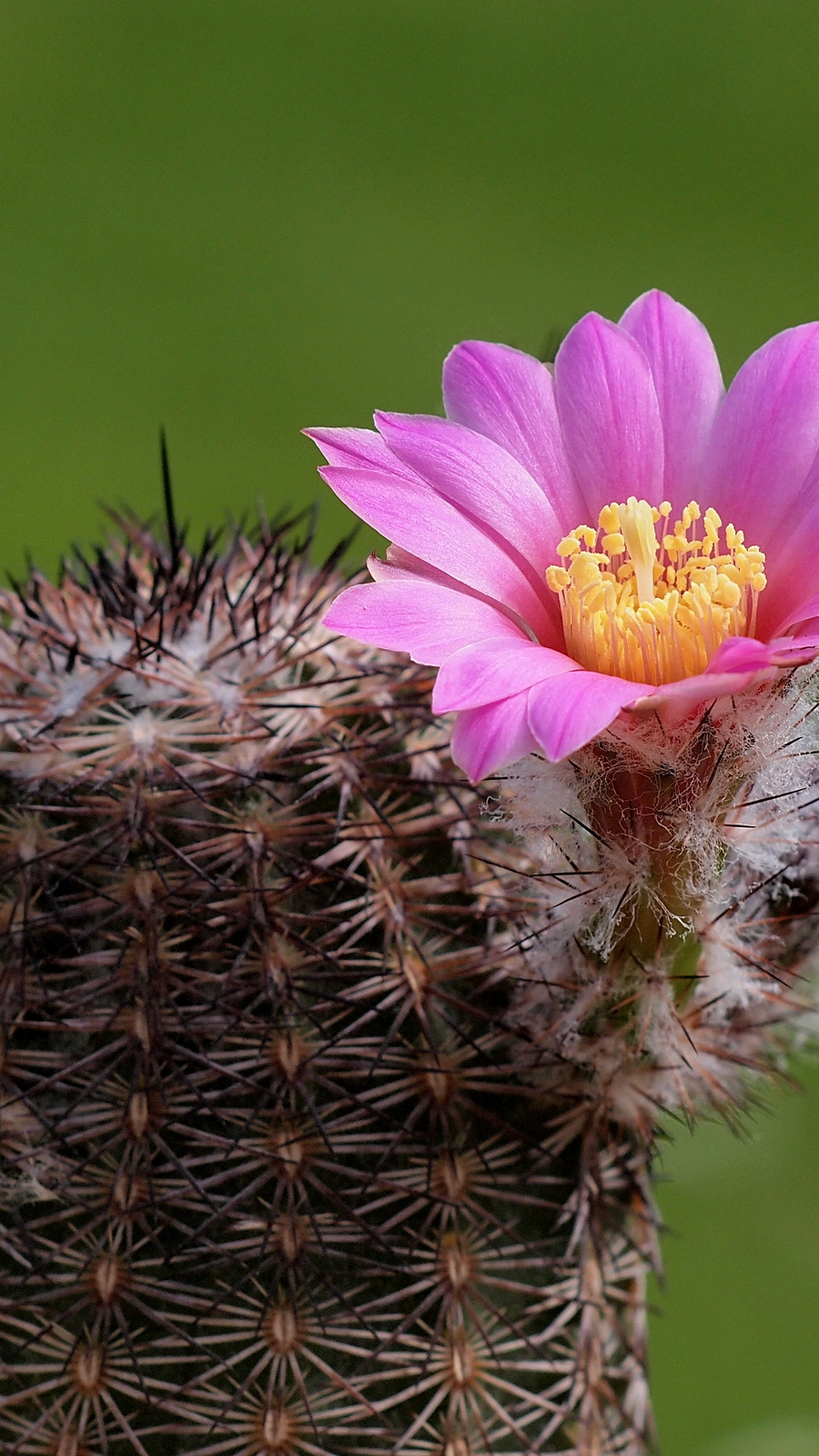 Reference image
Black-Spined Hedgehog Cactus
Echinocereus adustus is a small-growing, highly ornamental cactus species belonging to the family Cactaceae. Well-adapted to harsh desert environments in its native habitat, it is cherished by collectors for its attractive dark-tipped spines and vibrant, funnel-shaped flowers 1.
Originally described by Engelmann, the specific epithet 'adustus' translates from Latin as 'scorched' or 'burnt,' directly referencing the characteristic dark brown to pitch-black tips of its spines 2. Synonyms include Echinocereus pectinatus var. adustus.
This species is native to the semi-arid deserts and dry shrublands of northern Mexico, notably within Chihuahua, Durango, Coahuila, and surrounding areas 1. It thrives on rocky limestone slopes, gravelly flats, and desert grasslands at moderate to high elevations.
Typically growing solitary or clustering minimally from the base, the cylindrical stem reaches up to 10-15 cm in height. It features 10 to 15 ribs tightly packed with comb-like radial spines that are grayish-white with distinct dark tips. In late spring, spectacular pinkish-magenta flowers emerge near the stem tips 2.
It requires full sun exposure and an exceptionally well-draining mineral substrate. Water thoroughly during the active growing season only when the soil has completely dried out. In winter, maintain a strict dry period to prevent rot.
Overwatering during the cold, dormant winter months is the primary cause of root and stem rot. Insufficient sunlight leads to weak, elongated growth (etiolation) and a loss of its characteristic compact shape.
Thrives in full direct sun. At least 6 hours of direct sunlight is necessary.
Allow soil to dry out 100% between waterings. Suspend watering completely in winter.
Requires highly porous mineral substrate mixed with pumice and coarse sand.
Has sharp spines. Non-toxic, but should be kept away from children and pets.
Very easy if light is sufficient and overwatering is strictly avoided.
Distributed across the high-altitude stony slopes and semi-arid desert shrublands of northern Mexico, particularly in Chihuahua and Durango, growing in limestone crevices.
