
Light
Full Sun
Requires full sun; insufficient light leads to thin, pale growth and prevents blooming.
 Reference image
 Reference image
Apache Hedgehog Cactus
Echinocereus apachensis, commonly known as the Apache Hedgehog Cactus, is a perennial, succulent subshrub belonging to the Cactaceae family. It is highly valued for its striking pinkish-magenta blooms and dense spination.
Classified under the genus Echinocereus within the cactus family, Cactaceae 1. The specific epithet "apachensis" honors the Apache people and refers to its prominent distribution along the Apache Trail in Arizona. While sometimes discussed in relation to Echinocereus engelmannii, it is recognized as a distinct species.
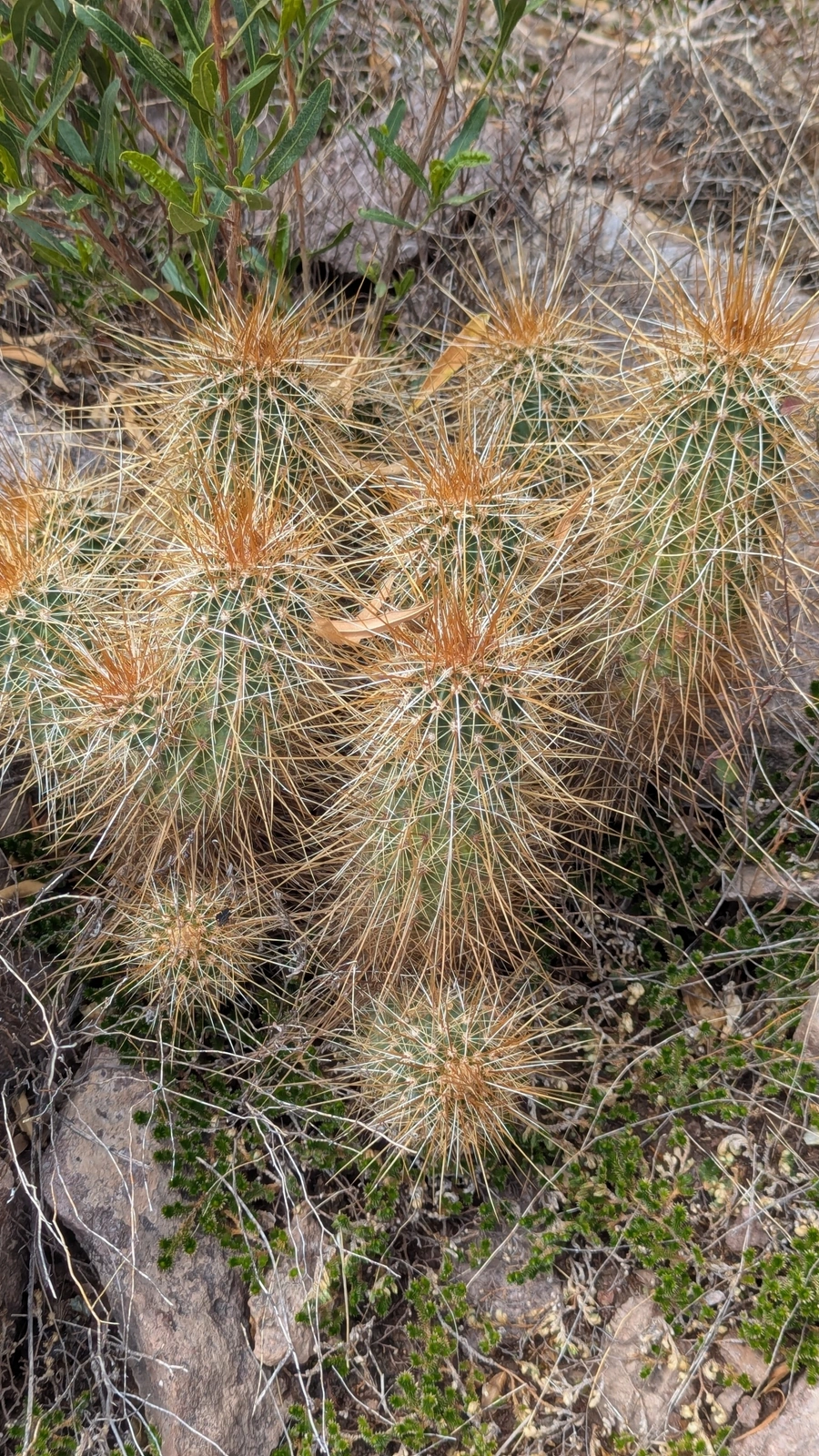
This species is native to Southwestern USA, specifically endemic to the state of Arizona (ARI) 2. It thrives in desert biomes, dry shrublands, volcanic rocky slopes, and canyon walls where drainage is exceptionally sharp.
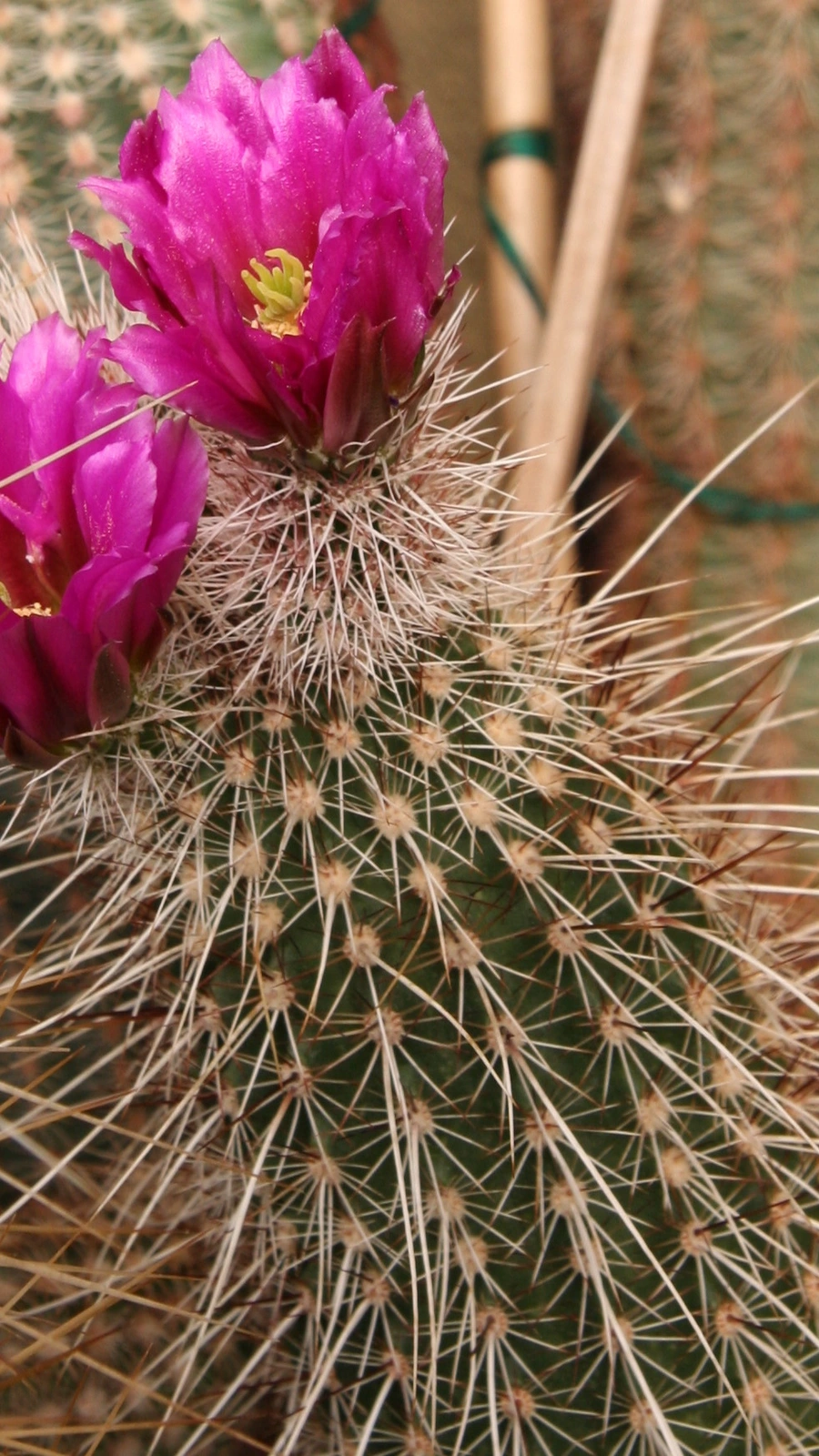
It forms clustered mounds of cylindrical stems, branching primarily from the base. Stems feature 12 to 18 sharp ribs densely armed with stiff, variable spines ranging from yellow to dark brown. In late spring, it produces large, funnel-form flowers with bright pink to magenta petals and green stigmas.
In cultivation, it requires full, unfiltered sun and a highly mineral substrate. Water thoroughly only when the soil has dried completely out. Winter care involves keeping the plant entirely dry to prevent rot and allow it to tolerate sub-zero temperatures.
The most frequent mistakes include overwatering, keeping the plant in low light, and using organic-heavy soils. These conditions lead to rapid root rot and etiolation.
Requires full sun; insufficient light leads to thin, pale growth and prevents blooming.
Allow soil to dry out 100% between waterings in summer; keep completely dry in winter.
Requires an airy, gritty, mineral-based cactus mix with high pumice or perlite content.
Features sharp, sturdy spines; handle with thick gloves and keep away from pets and children.
Moderate; requires strict discipline regarding winter drought and watering frequency.
Native to the volcanic slopes, dry canyons, and gravelly desert shrublands of central Arizona.
