
Light
Full Sun
Requires full, unfiltered direct sunlight throughout the day.
 Reference image
 Reference image
Arizona Red Hedgehog Cactus
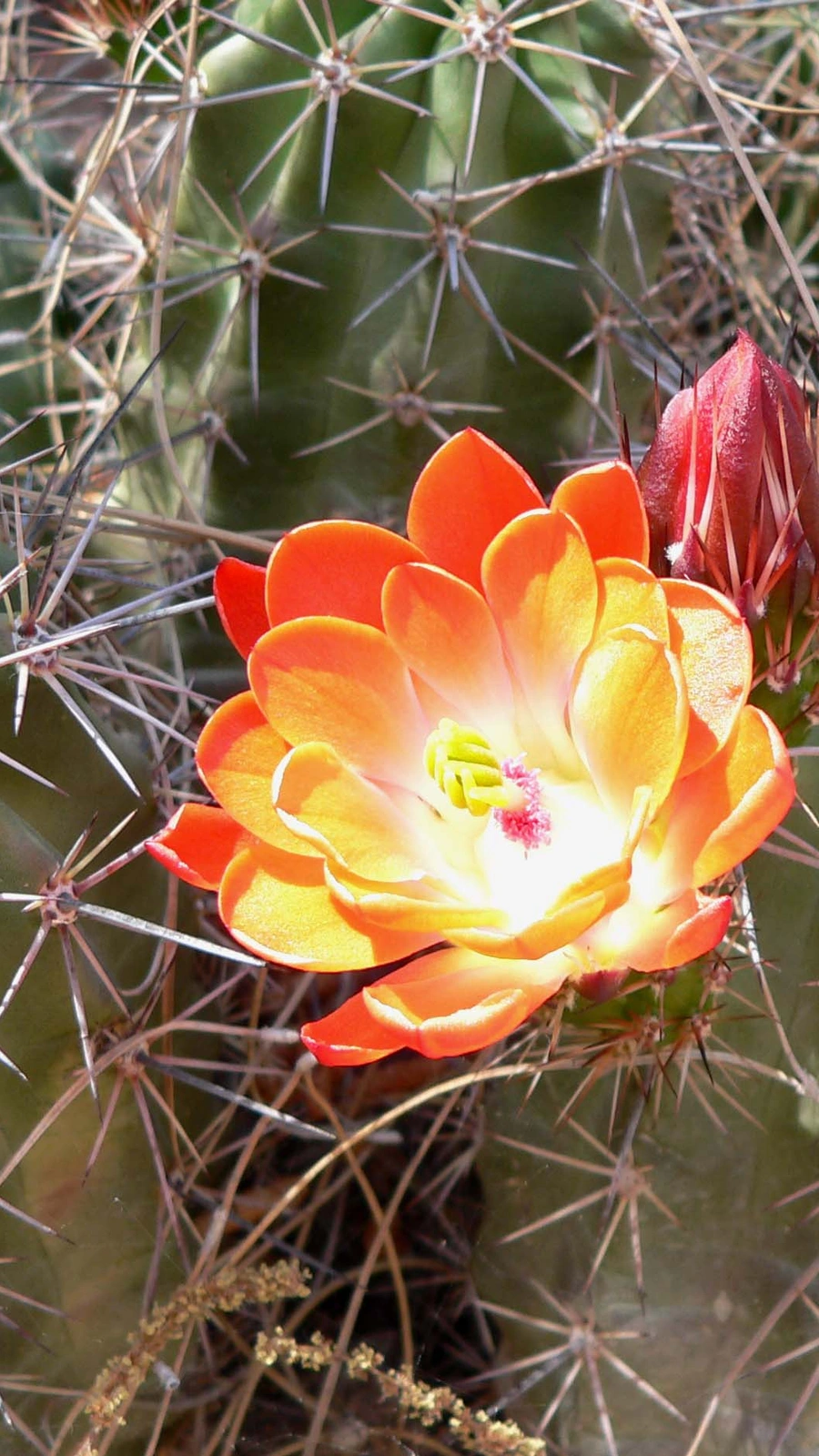
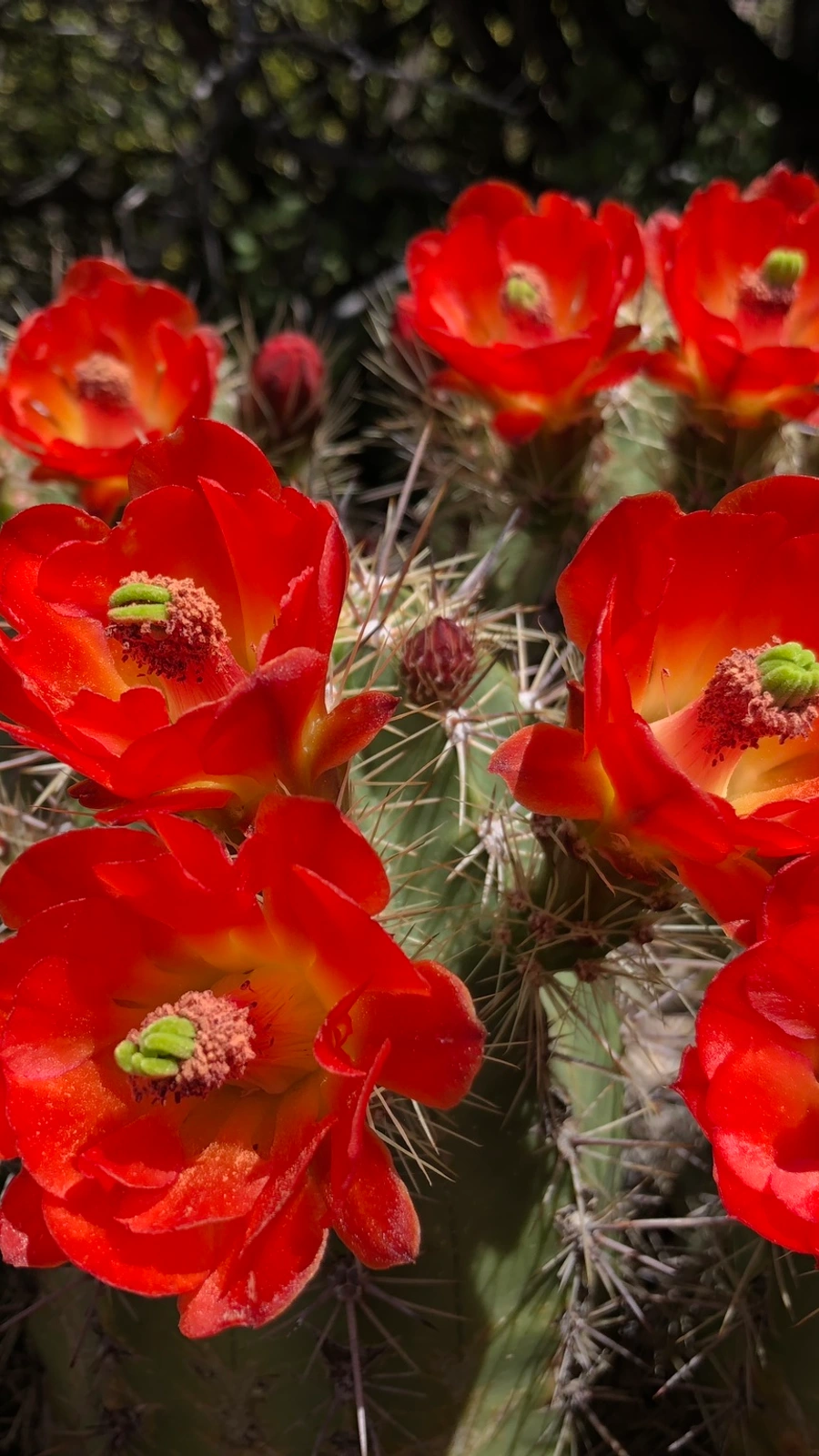
Echinocereus arizonicus is a striking perennial succulent subshrub belonging to the Cactaceae family, highly celebrated for its brilliant scarlet-to-orange flowers 1. It is well-adapted to arid desert slopes and rocky terrains.
Classified under the genus Echinocereus, its specific epithet arizonicus highlights its primary native occurrence in the state of Arizona 1. It is commonly referred to as the Arizona red hedgehog cactus or Arizona claret-cup cactus.
This species is native to the Southwestern United States (primarily central and southeastern Arizona) and parts of Northern Mexico 2. It thrives on limestone cliffs, steep rocky slopes, and desert grasslands within arid biomes.
It forms clusters of cylindrical, grey-green stems growing from the base. Each stem features distinct ribs heavily armed with sharp spines. In late spring, it produces magnificent, funnel-shaped, bright red-orange blossoms that are highly attractive to hummingbirds and bees 1.
It requires full sun and exceptionally well-draining, mineral-based soil. During its winter dormancy, it can tolerate freezing temperatures down to -10 °C, provided the soil is kept bone-dry to prevent root rot 2.
Overwatering during cold periods or using organic-heavy soils that retain moisture is the most common cause of root rot. Lack of adequate direct sunlight leads to weak, stretched growth (etiolation) and failure to produce blooms.
Requires full, unfiltered direct sunlight throughout the day.
Water only after the substrate is bone dry. No water during winter dormancy.
Gritty, fast-draining mineral mix with plenty of pumice and coarse sand.
Non-toxic, but sharp spines require cautious handling and keeping away from pets.
Moderately easy if overwatering is strictly avoided and winter cold is kept dry.
Native to the rugged rocky slopes and canyons of Arizona and northern desert states of Mexico, where it grows in nutrient-poor limestone soils under harsh desert sun.
