
Light
Full Sun
Requires full sun, ideally 6-8 hours of direct sunlight daily to maintain compact growth.
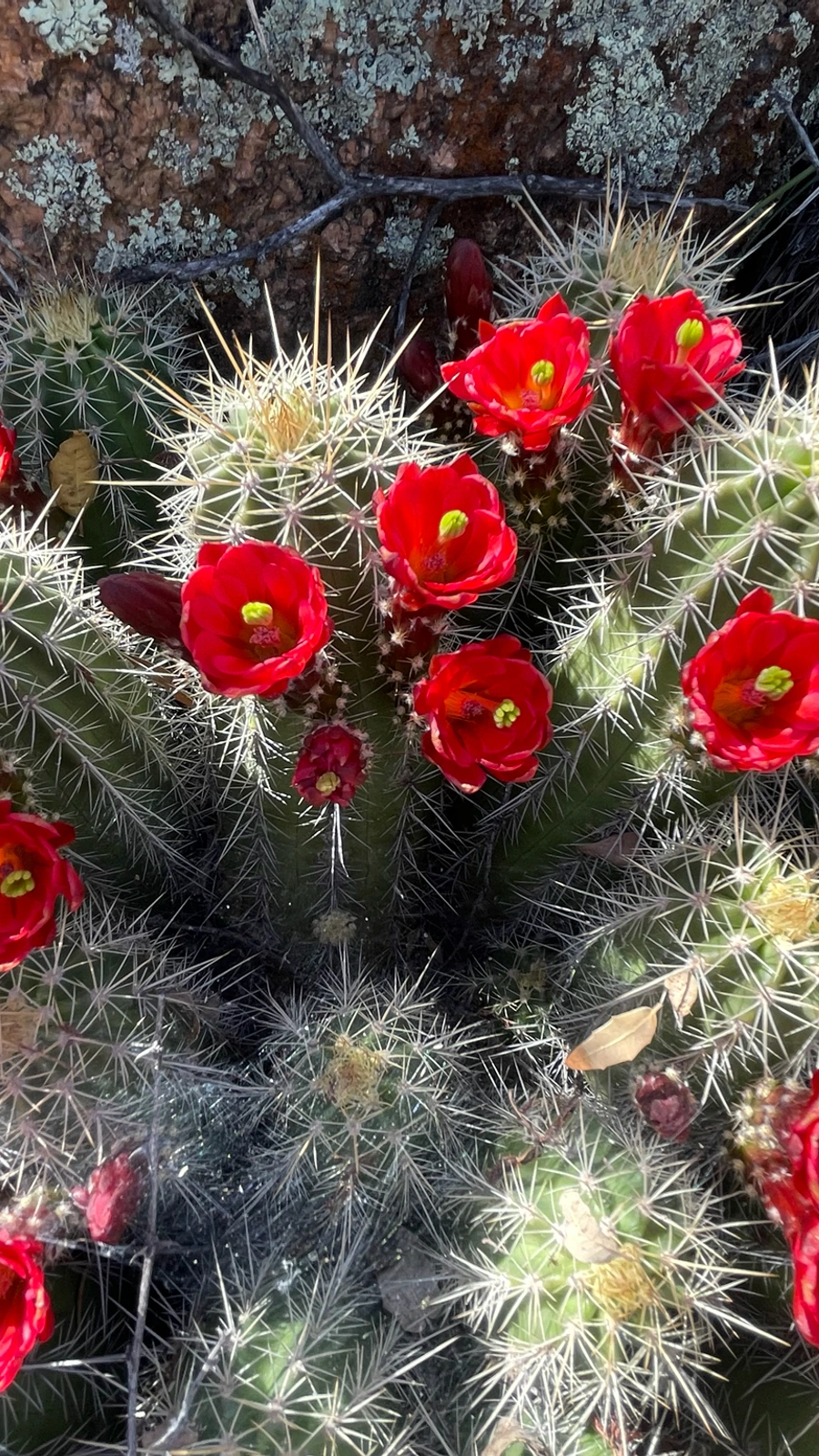 Reference image
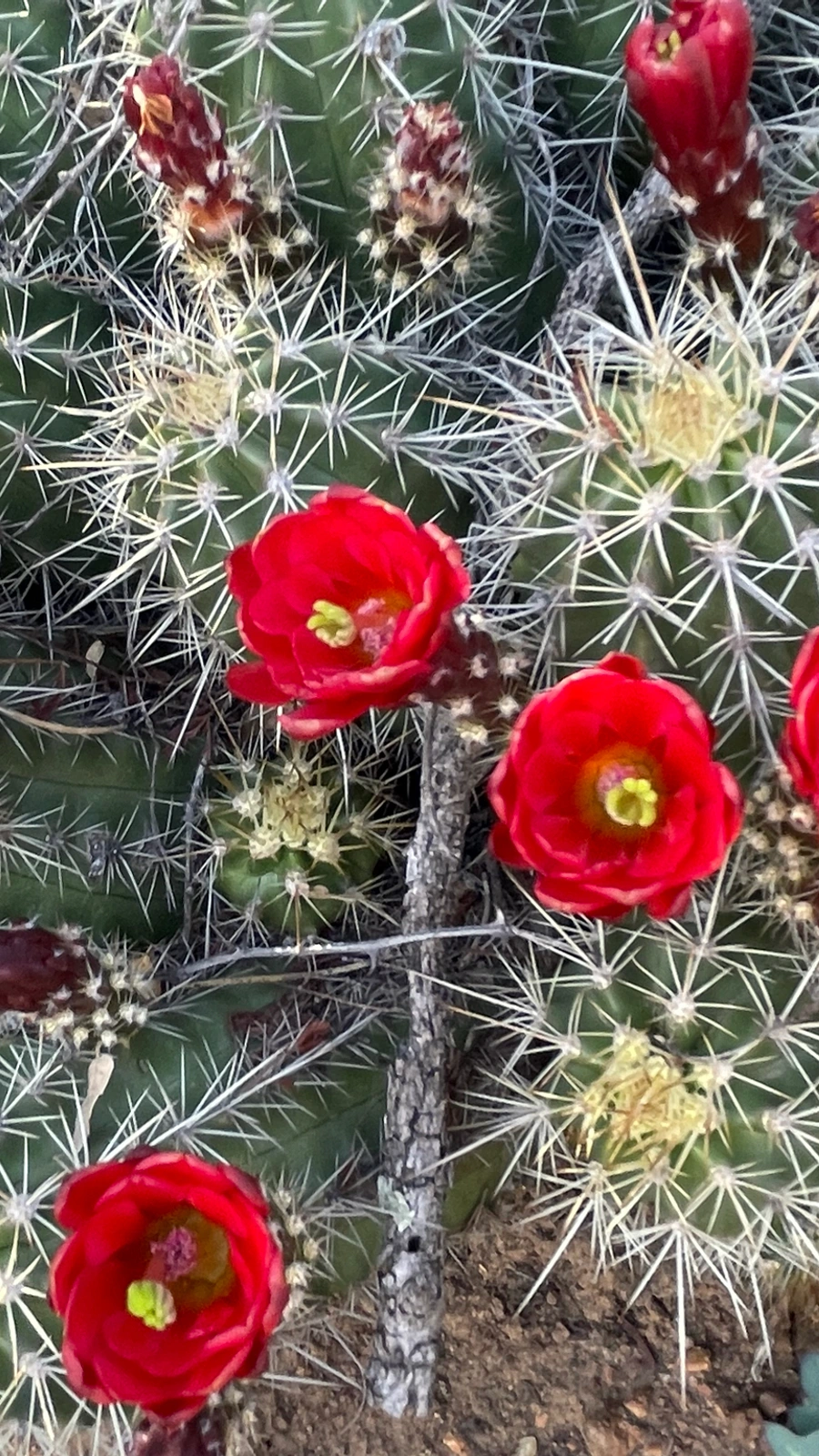 Reference image
Baker's Hedgehog Cactus
Echinocereus bakeri is a distinctive and highly resilient member of the Cactaceae family. Perfectly adapted to arid desert environments, this succulent subshrub is renowned for its formidable spine structure and brilliant spring-blooming flowers 1.
The genus Echinocereus derives its name from the Greek word 'echinos', meaning hedgehog, a reference to its spiny fruit. The specific epithet bakeri honors the botanist Baker, who contributed significantly to the understanding of succulent flora 2. It is characterized by its clustering habit and cylindrical stems.
This species is native to the arid regions of North America, specifically the Southwestern USA, including Utah, Nevada, and Arizona 1. It thrives in desert biomes, dry shrublands, rocky slopes, and gravelly washes, showcasing remarkable tolerance to both extreme summer heat and winter frosts.
Echinocereus bakeri develops cylindrical stems that branch from the base to form dense, low-growing clumps. The ribs are prominent and lined with closely spaced areoles bearing sharp, rigid spines. Late spring brings a magnificent display of funnel-shaped flowers, blooming in vibrant shades of red, orange, or deep pink 2.
In cultivation, it requires minimal intervention. It demands full sun and excellent air circulation with low atmospheric humidity. Water should be applied only when the substrate is dry. During the winter dormancy, watering must be suspended almost entirely.
The most prevalent issue is root rot induced by waterlogged soils or overwatering. Using non-porous, clay-heavy soils prevents oxygen from reaching the roots, leading to decay. Insufficient light leads to etiolation, causing the stems to stretch and weaken.
Requires full sun, ideally 6-8 hours of direct sunlight daily to maintain compact growth.
Allow soil to dry out completely between waterings. Water extremely sparingly in winter.
Requires excellent drainage. Use a mix of 50% pumice/grit and 50% organic cactus soil.
Equipped with very sharp, stiff spines. Handle with thick gardening gloves and keep away from pets.
Very easy. Highly drought-tolerant and perfect for beginners who tend to forget watering.
Native to the harsh, dry deserts and shrublands of North America, where it populates rocky hillsides and sandy, well-draining soils.
