
Light
Full Sun
Requires full sun. Benefits from at least 6 hours of direct sunlight daily.
 Reference image
 Reference image
Barthelow's Hedgehog Cactus
Echinocereus barthelowianus is a highly cespitose, heavily spined succulent subshrub belonging to the Cactaceae family. Resilient to extreme heat and prolonged drought in its native desert habitats, this species is prized among cactus enthusiasts for its fierce spination and attractive floral displays 1.
Classified within the genus Echinocereus, established by George Engelmann, the species name barthelowianus honors an individual associated with the early botanical expeditions of Baja California. Its taxonomic validity is well-documented and accepted by taxonomic resources such as Plants of the World Online (POWO) 2.
This species is endemic to Mexico, specifically occurring in Baja California Sur and adjacent islands like Isla Santa Margarita. It thrives in hyper-arid desert scrublands, settling on rocky, well-draining slopes and barren, mineral-rich soils exposed to intense maritime and desert sun 1.
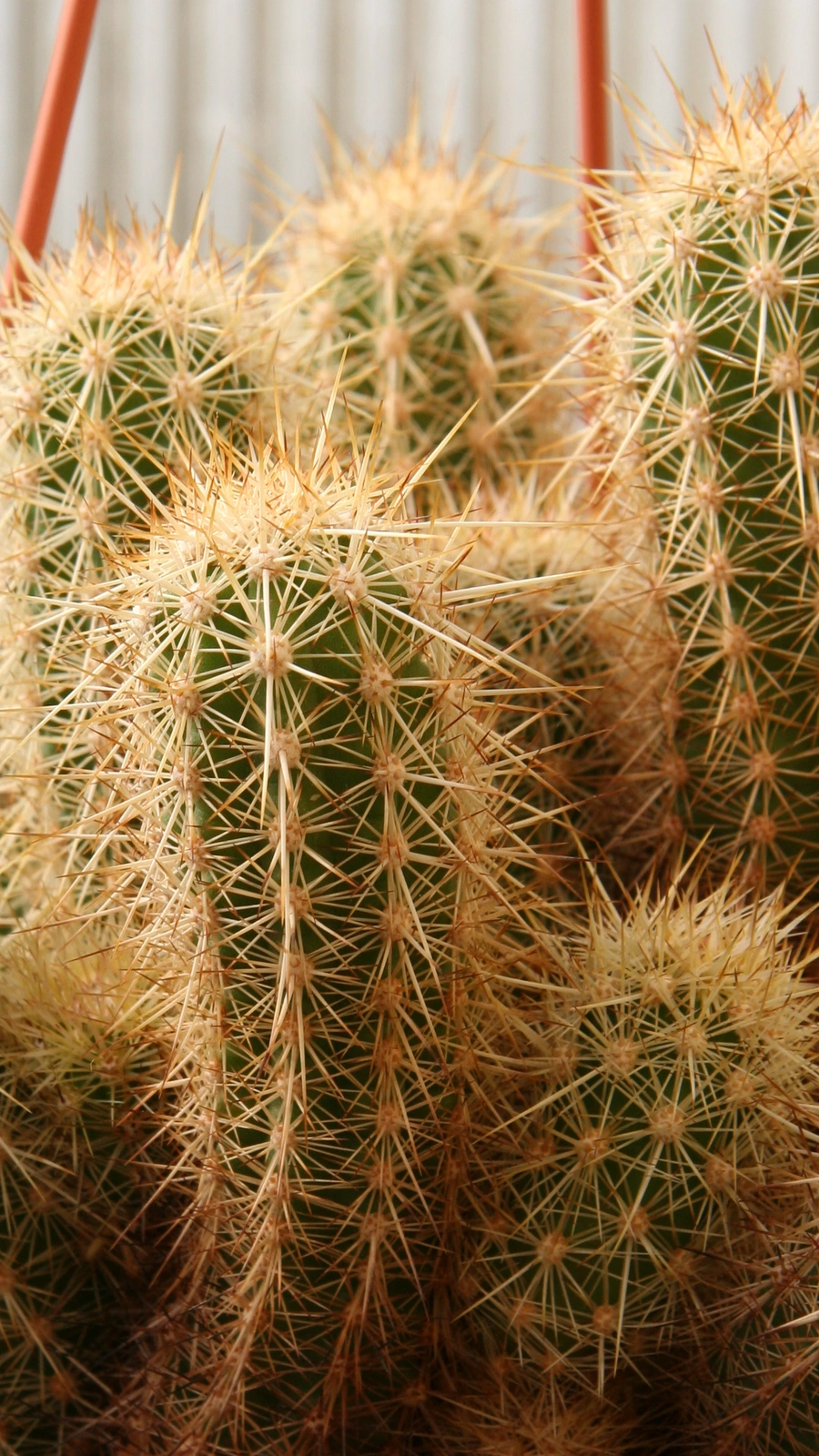
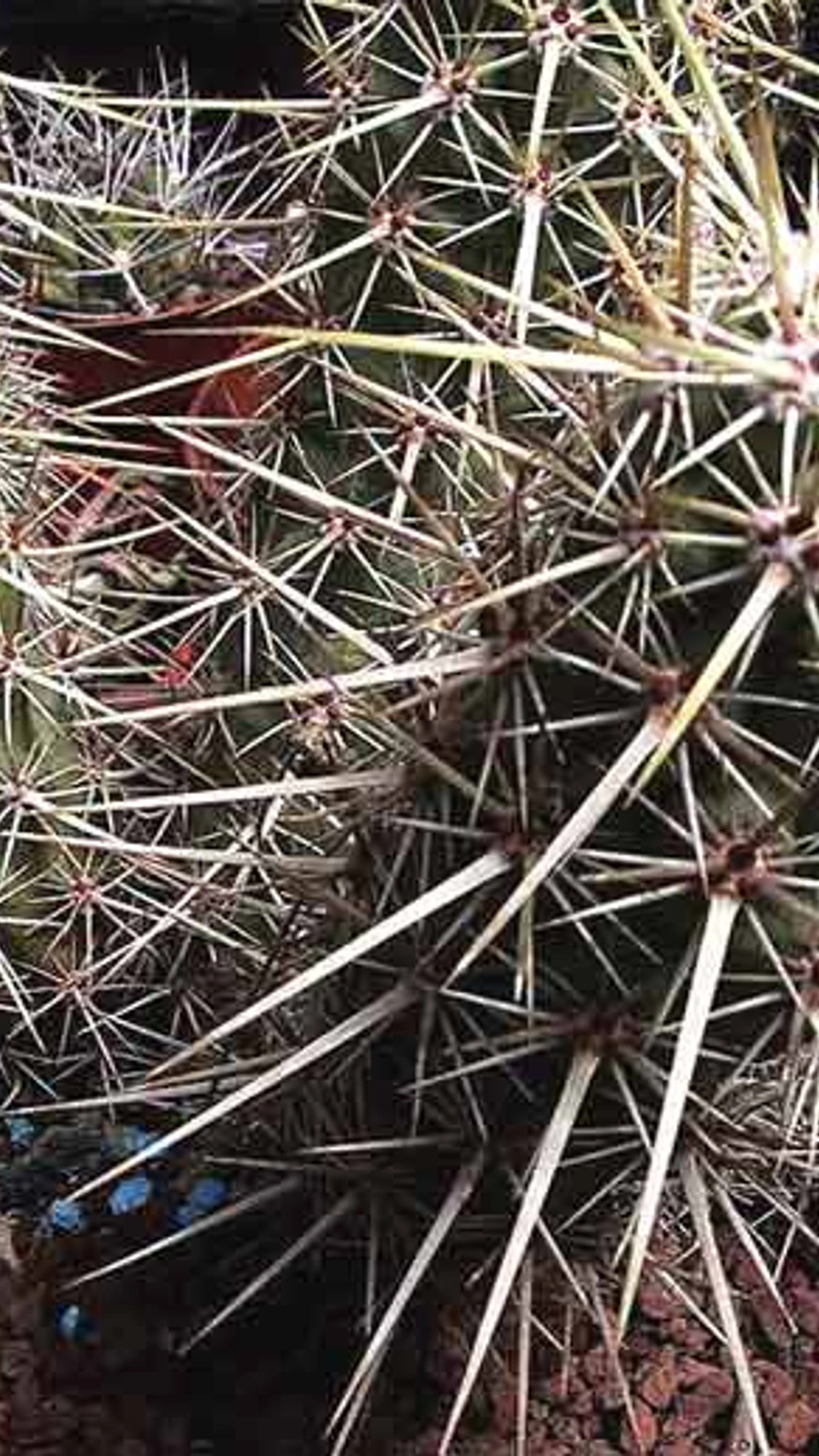
Echinocereus barthelowianus forms dense clumps branching from the base, with cylindrical stems that grow up to 10–30 cm tall. The ribs are obscured by dense, stiff, and needle-like spines that vary in color from bright yellow and reddish-brown to dark blackish tones. During spring and early summer, it produces funnelform, bright pink to magenta flowers near the stem tips.
In cultivation, it requires full sun exposure and a highly porous, purely mineral potting substrate. Watering must be thorough but infrequent, allowing the soil to dry out completely. During winter dormancy, keeping the plant totally dry in a cool environment is essential to simulate its natural climate and trigger flowering.
The most prevalent issue is root rot, caused by overwatering or using dense soils with high organic matter. Insufficient light during the active growing season leads to etiolation, weak spine growth, and increased vulnerability to pests like mealybugs.
Requires full sun. Benefits from at least 6 hours of direct sunlight daily.
Water thoroughly only when soil is completely dry. Keep dry in winter.
Use a specialized mineral cactus mix high in pumice, gravel, and coarse sand.
Has very sharp, dense spines. Handle with thick protective gloves and keep away from children and pets.
Moderate. Easy if watering is strictly controlled, but susceptible to rot in wet conditions.
Endemic to Baja California Sur, Mexico, particularly on the islands off the western coast. It grows on dry, rocky slopes and gravelly desert plains, fully exposed to harsh sunlight and maritime wind.
