
Light
Direct Sun
Requires full, direct sun. Indoors, a south-facing window is essential for proper growth.
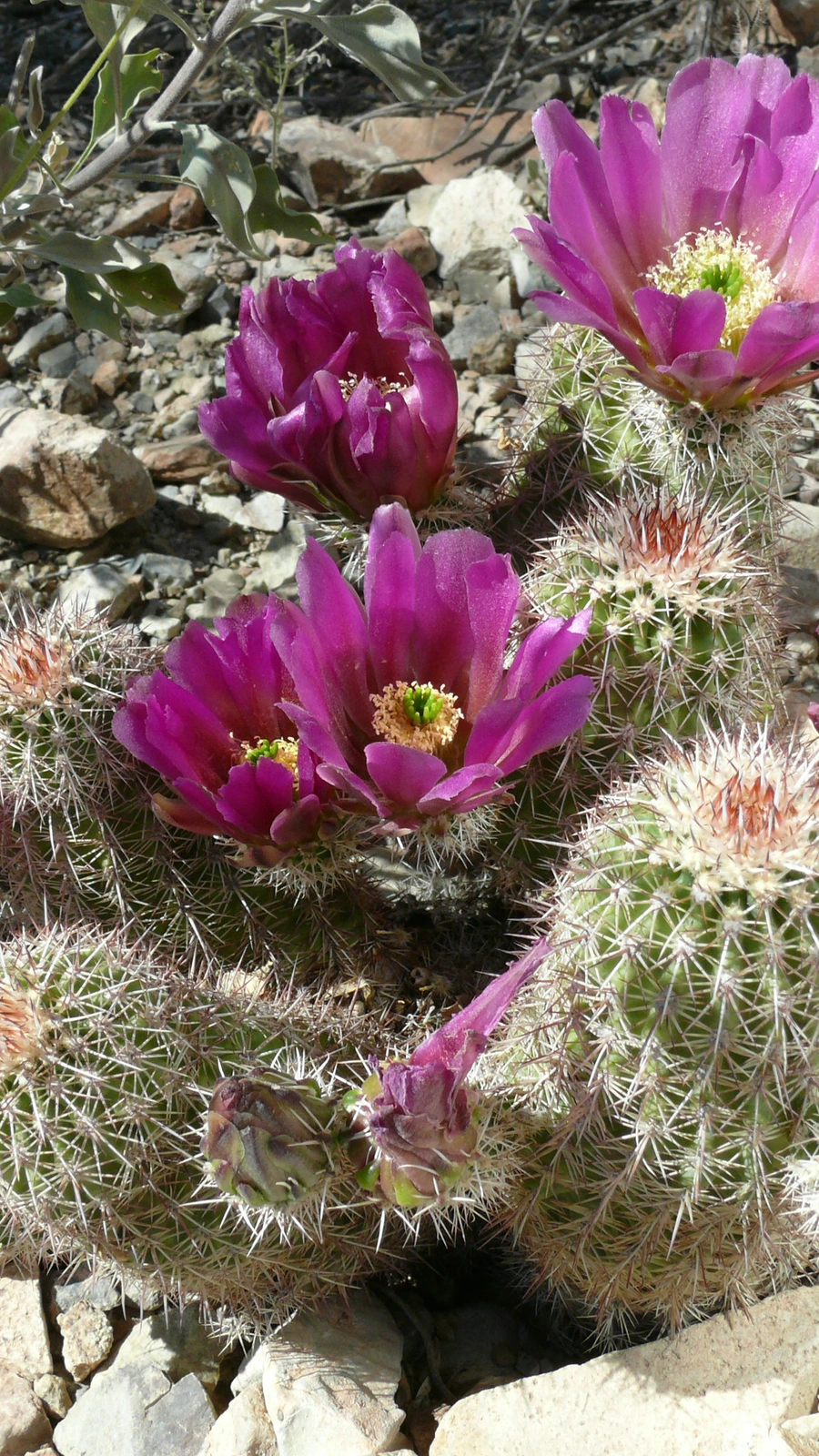 Reference image
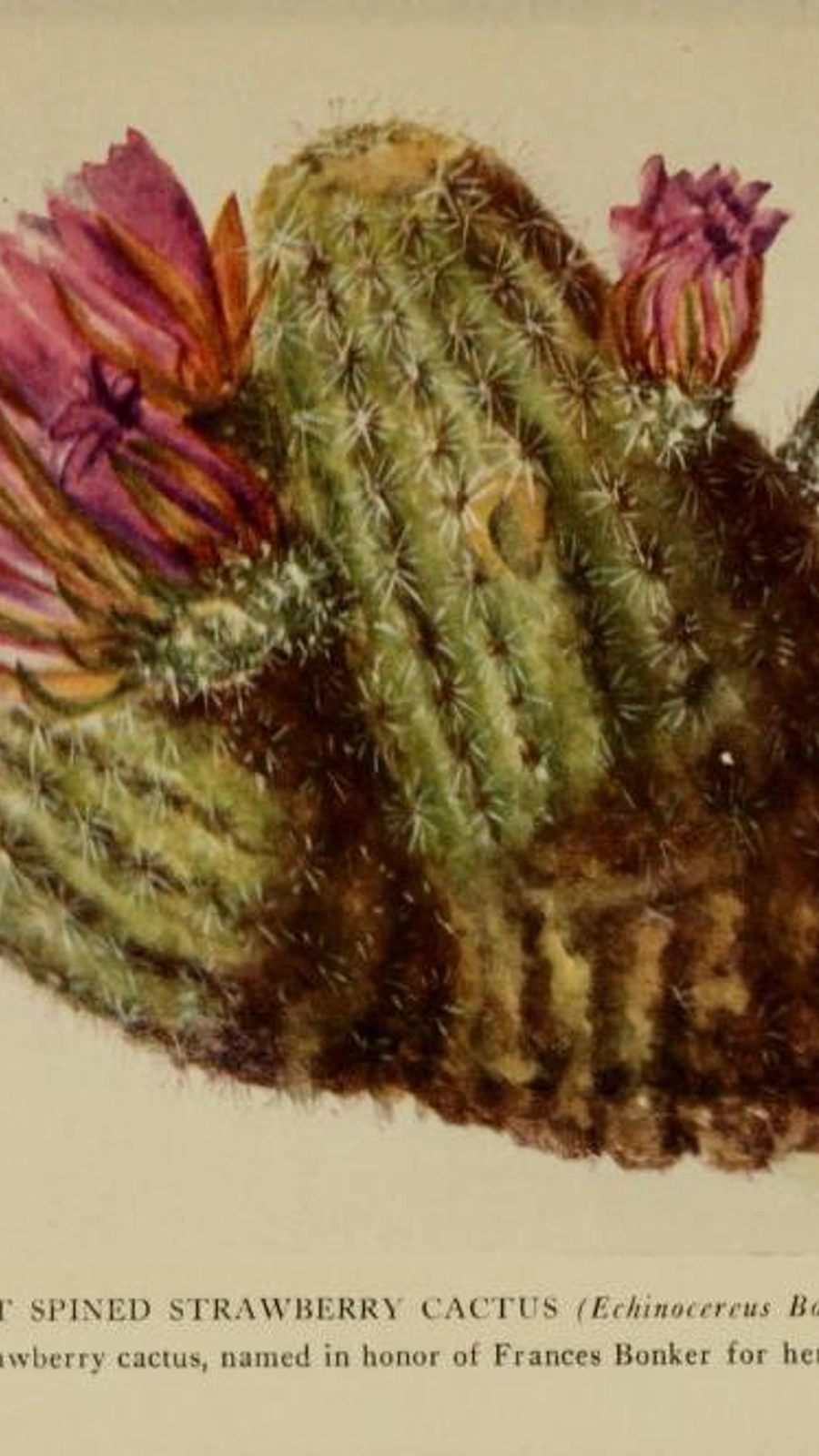 Reference image
Pinkflower Hedgehog Cactus
Echinocereus bonkerae, commonly known as the pinkflower hedgehog cactus, is a small succulent subshrub belonging to the family Cactaceae. It is highly valued among collectors for its vibrant magenta blooms and compact, clump-forming habit 1.
The species was named to honor the botanical contributions of John James Thornber and Frances Bonker. It is classified under the genus Echinocereus, which comprises low-growing, ribbed, and spiny cacti native to the Americas 2.
Native to the Southwestern United States, particularly Arizona, this species thrives in dry shrublands, gravelly slopes, and chaparral zones. It is commonly found at elevations ranging from 900 to 2,100 meters, growing in nutrient-poor, rocky soils 1.
This cactus produces cylindrical stems up to 30 cm tall, branching from the base to form small clumps. Stems have 11 to 16 ribs covered in clusters of sharp, grey-to-brownish spines. In spring, it produces magnificent, cup-shaped flowers that are pink to deep purple, followed by small, spiny, edible red fruits.
In cultivation, Echinocereus bonkerae requires conditions that mimic its arid natural habitat. This includes maximum sunlight, exceptionally well-draining mineral potting media, and a strict dry period during winter to encourage spring blooms 2.
The most prevalent issue is root rot caused by overwatering, particularly in poorly drained soils or during the winter dormancy. Insufficient sunlight leads to etiolation, where stems stretch thin and fail to flower.
Requires full, direct sun. Indoors, a south-facing window is essential for proper growth.
Allow the potting mix to dry out 100% between waterings. Suspend watering in winter.
Use a specialized mineral mix with high pumice, gravel, and sand content. Avoid peat.
Non-toxic to pets, but has sharp spines that can cause physical injury; handle with care.
Very easy if overwatering is avoided and sufficient winter cold/dryness is provided.
Naturally distributed across the gravelly slopes and semi-arid desert grasslands of central and southern Arizona, adapting to intense sun and freezing winter nights.
