
Light
Bright Indirect Light
Requires at least 6 hours of bright indirect light or filtered morning/afternoon sun.
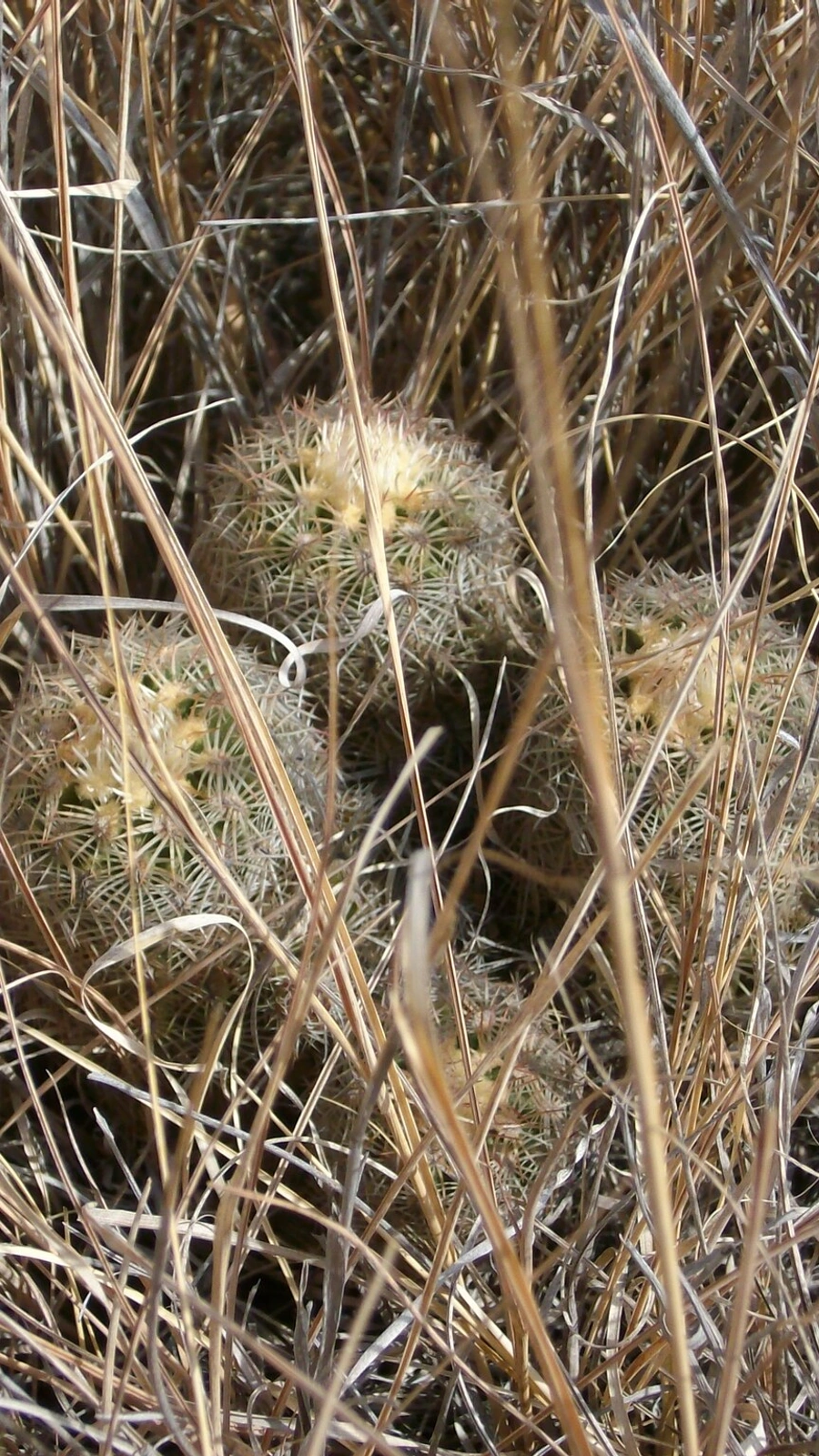 Reference image
Carmen Hedgehog Cactus
Echinocereus carmenensis is a highly ornamental and resilient cactus species belonging to the Cactaceae family, perfectly adapted to the arid habitats of northern Mexico 1. Its low-growing, clumping habit makes it a favorite among succulent enthusiasts.
Belonging to the genus Echinocereus, this species was named after the Sierra del Carmen mountain range in Coahuila, Mexico, where it was discovered 2. It is characterized by its unique spination and distinct floral morphology within the genus.
This species is native to northern Mexico, specifically in the state of Coahuila and surrounding desert or dry shrubland biomes 1. It typically thrives in limestone rock crevices, steep cliffs, and well-drained slopes with minimal organic matter.
The stems are cylindrical, pale to bright green, and form dense clusters over time. The spines emerge from woolly areoles and range in color from cream to pinkish-gray, forming a protective shield against intense solar radiation. The flowers are stunning, showcasing shades of pale bronze, pink, or orange.
It requires plenty of direct sun or very bright filtered light. Watering should only be performed when the substrate has completely dried out, and must be suspended almost entirely during the winter. A highly porous, mineral-rich potting soil is essential for healthy root development.
Overwatering and using heavy, clay-rich soil mixes are the primary causes of root rot. Keeping the cactus in a cold, damp, and stagnant air environment during the winter will also lead to fungal infections.
Requires at least 6 hours of bright indirect light or filtered morning/afternoon sun.
Allow the substrate to dry out fully before watering. Keep almost completely dry in winter.
Mineral-rich, highly porous mix containing pumice, coarse sand, and a bit of limestone.
Non-toxic, but features sharp spines; keep out of reach of curious children and pets.
Very easy to maintain as long as you avoid overwatering and damp conditions.
Native to the rocky limestone slopes and high-elevation desert scrublands of the Sierra del Carmen in Coahuila, Mexico.
