
Light
Full Sun
Requires full, direct sun. Indoors, place it on the sunniest south-facing windowsill.
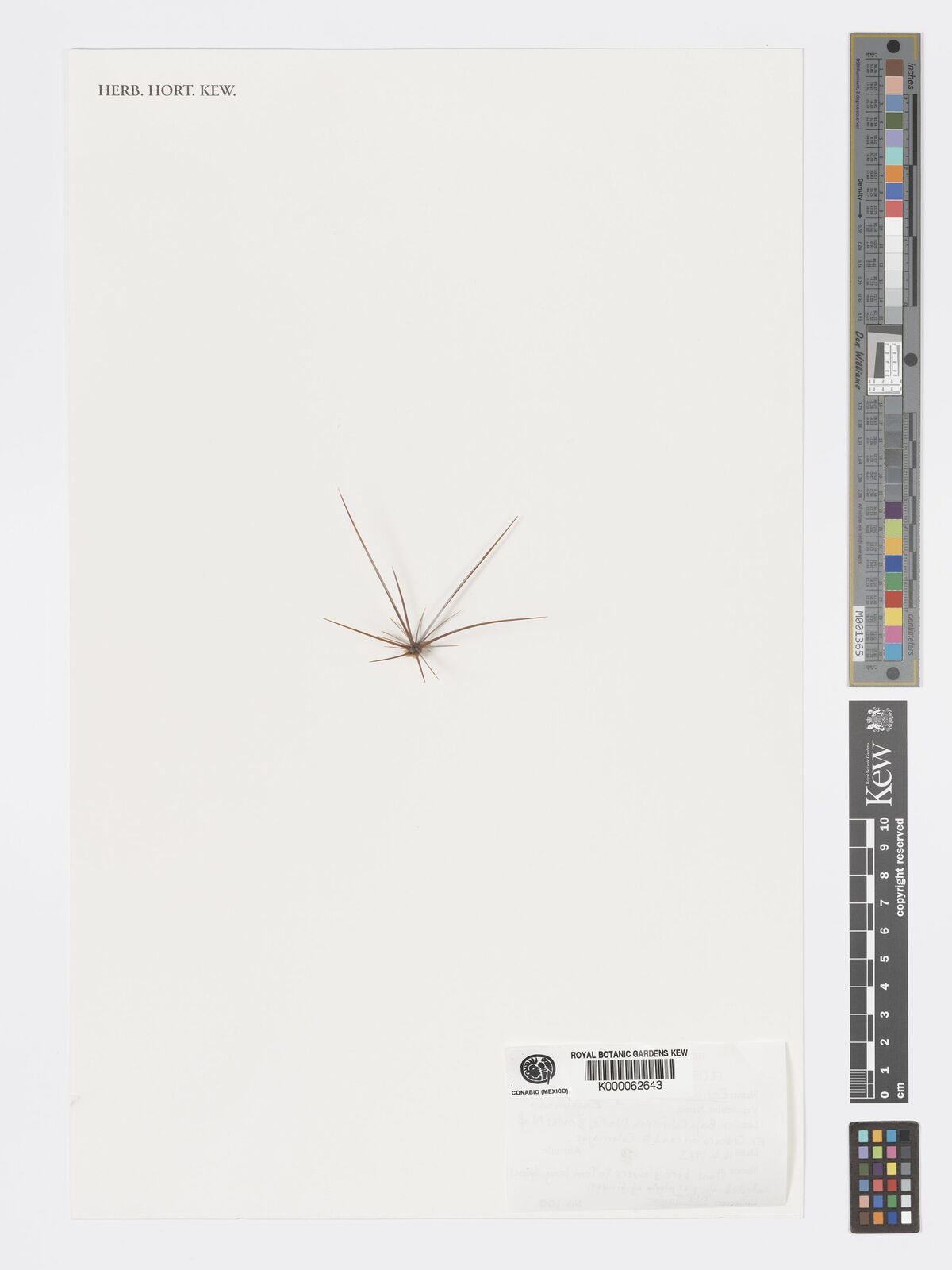 Reference image
Engelmann's Hedgehog Cactus
Echinocereus engelmannii, commonly known as Engelmann's hedgehog cactus or strawberry cactus, is a highly characteristic member of the Cactaceae family. This multi-stemmed, clumping succulent subshrub is remarkably adapted to the hyper-arid and scorching conditions of its native desert habitats 1.
The species was first described in 1852 by Parry, named in honor of the renowned German-American botanist George Engelmann 2. The genus name Echinocereus is derived from the Greek echinos (hedgehog) and the Latin cereus (candle), describing its spiny, cylindrical morphology. Its scientific synonyms include Cereus engelmannii.
This species is widely distributed across the Southwestern United States (including California, Nevada, Arizona, and Utah) and Northwestern Mexico (Sonora and Baja California) 1. It thrives in gravelly desert slopes, dry canyons, and limestone cliffs of the Mojave and Sonoran deserts, at elevations ranging from sea level up to 2400 meters 2.
It forms loose to dense clumps of up to 60 erect or semi-decumbent cylindrical stems. Stems are light green to grayish-green, heavily armed with dense, needle-like spines that vary from yellow and tan to reddish-brown or black. In spring, it produces magnificent, funnel-shaped, bright magenta to pink flowers. These showy blooms are followed by spiny, bright red, edible fruits that taste similar to strawberries 2.
In cultivation, it is highly drought-tolerant and requires full sun, excellent drainage, and mineral-rich soils. Given absolute dryness in winter, it can survive freezing temperatures down to -10°C 1.
Overwatering is the single most common cause of failure, rapidly inducing root and stem rot. Insufficient sunlight results in weak, stretched growth (etiolation) and prevents the development of its colorful flowers 1.
Requires full, direct sun. Indoors, place it on the sunniest south-facing windowsill.
Water thoroughly in spring/summer when dry. Keep completely dry in winter.
Prefers a highly mineral substrate with plenty of pumice, gravel, and minimal organic matter.
Armed with very sharp, stiff spines. Keep away from pets and small children.
Very easy to care for, provided it receives enough sun and is not overwatered.
Native to the dry slopes and gravelly flats of the Mojave and Sonoran deserts, thriving in rocky, well-draining terrains.
