
Light
Direct Sun
Requires at least 6 hours of direct sunlight daily to maintain its dense spine growth and compact form.
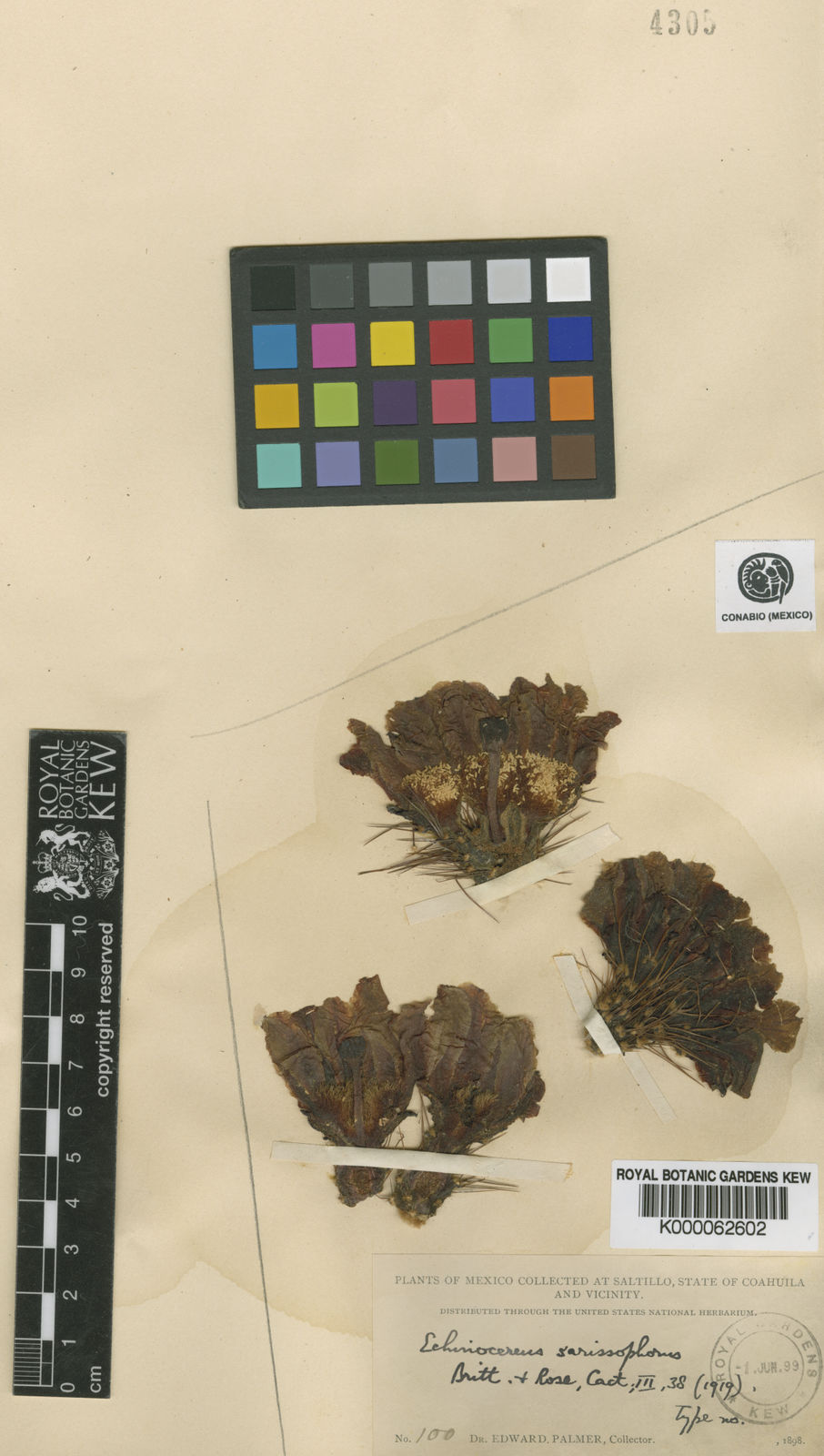 Reference image
Strawberry Cactus
Echinocereus enneacanthus, commonly known as the strawberry cactus or pitaya, is a caespitose, multi-stemmed succulent subshrub renowned for its large, vibrant magenta flowers and delicious, edible strawberry-scented fruits. 1
Described by George Engelmann, the species belongs to the family Cactaceae, genus Echinocereus. The specific epithet "enneacanthus" is derived from Greek words meaning "nine-spined", referring to the typical spine arrangement on its areoles. 2
This species is native to the Chihuahuan Desert, spanning south-central USA (primarily Texas and New Mexico) and northern Mexico (Coahuila, Chihuahua, Durango, Nuevo León, and Tamaulipas). It thrives in arid plains, rocky limestone slopes, and alluvial flats, typically under the light filtered shade of desert scrub. 1
It forms dense, sprawling clumps of up to 100 or more cylindrical stems. The stems are light green to grayish-green, with 7 to 10 deep, tuberculate ribs. Spines are needle-like, yellowish to dark brown, becoming grey with age. In spring, it produces magnificent funnel-shaped flowers, followed by greenish-purple, egg-shaped, edible fruits. 2
In cultivation, Echinocereus enneacanthus requires bright direct sunlight and extremely well-draining, mineral-rich soil. It is highly drought-tolerant and benefits from the "soak and dry" watering method during its active growth phase in spring and summer. During winter dormancy, it should be kept completely dry and protected from heavy frost. 1
The most prevalent mistake is overwatering, especially during winter, which inevitably causes root rot. Using organic-heavy potting soil or pots without drainage holes will also kill this desert specialist.
Requires at least 6 hours of direct sunlight daily to maintain its dense spine growth and compact form.
Soak and dry method only. Keep completely dry throughout the winter months to prevent rot.
A highly gritty substrate consisting of pumice, perlite, and coarse sand with very low organic content.
Features sharp, rigid spines. Handle with thick gardening gloves. Non-toxic to humans and domestic pets.
Very easy to maintain if provided with full sun and a strict no-watering winter schedule.
Native to the Chihuahuan Desert where it occupies rocky limestone hillsides, gravelly plains, and shrublands under harsh sun.
