
Light
Full Sun
Requires full sun and intense direct light to develop strong spines.
 Reference image
 Reference image
Echinocereus ferreiranus is a perennial succulent subshrub belonging to the Cactaceae family, highly specialized to survive in arid, barren desert environments. It is renowned among collectors for its formidable spination and striking, vibrant flowers.
Classified within the diverse genus Echinocereus, this species has been thoroughly documented in botanical science 1. Its specific epithet ferreiranus honors individuals associated with its historical collection. It is occasionally split into subspecies or varieties depending on minor regional variations in spination.
This cactus is native to Mexico, particularly found in Baja California, Baja California Sur, and parts of Sonora 2. It populates gravelly flats, rocky volcanic slopes, and dry shrublands, thriving under harsh solar radiation and minimal precipitation.
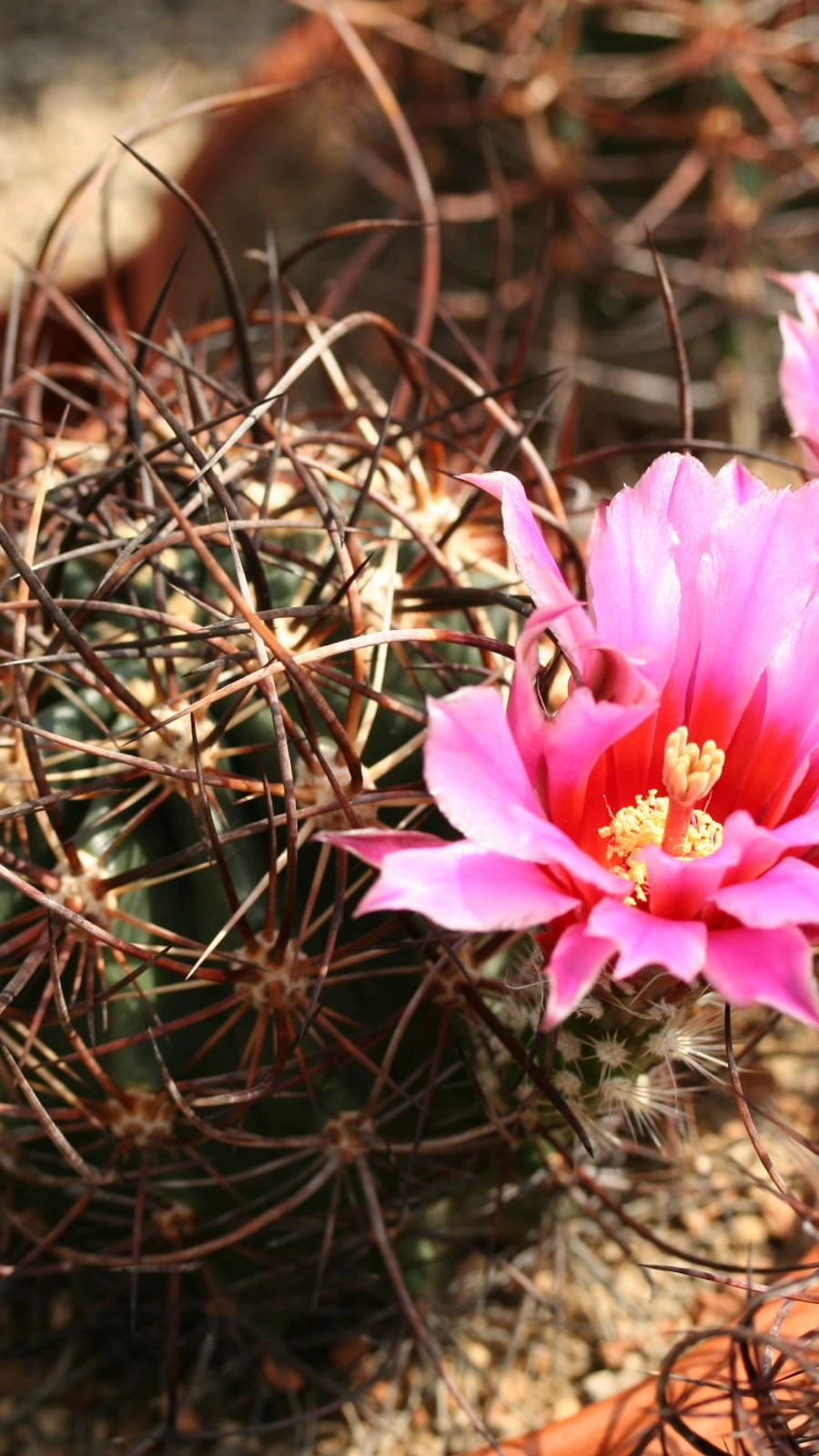
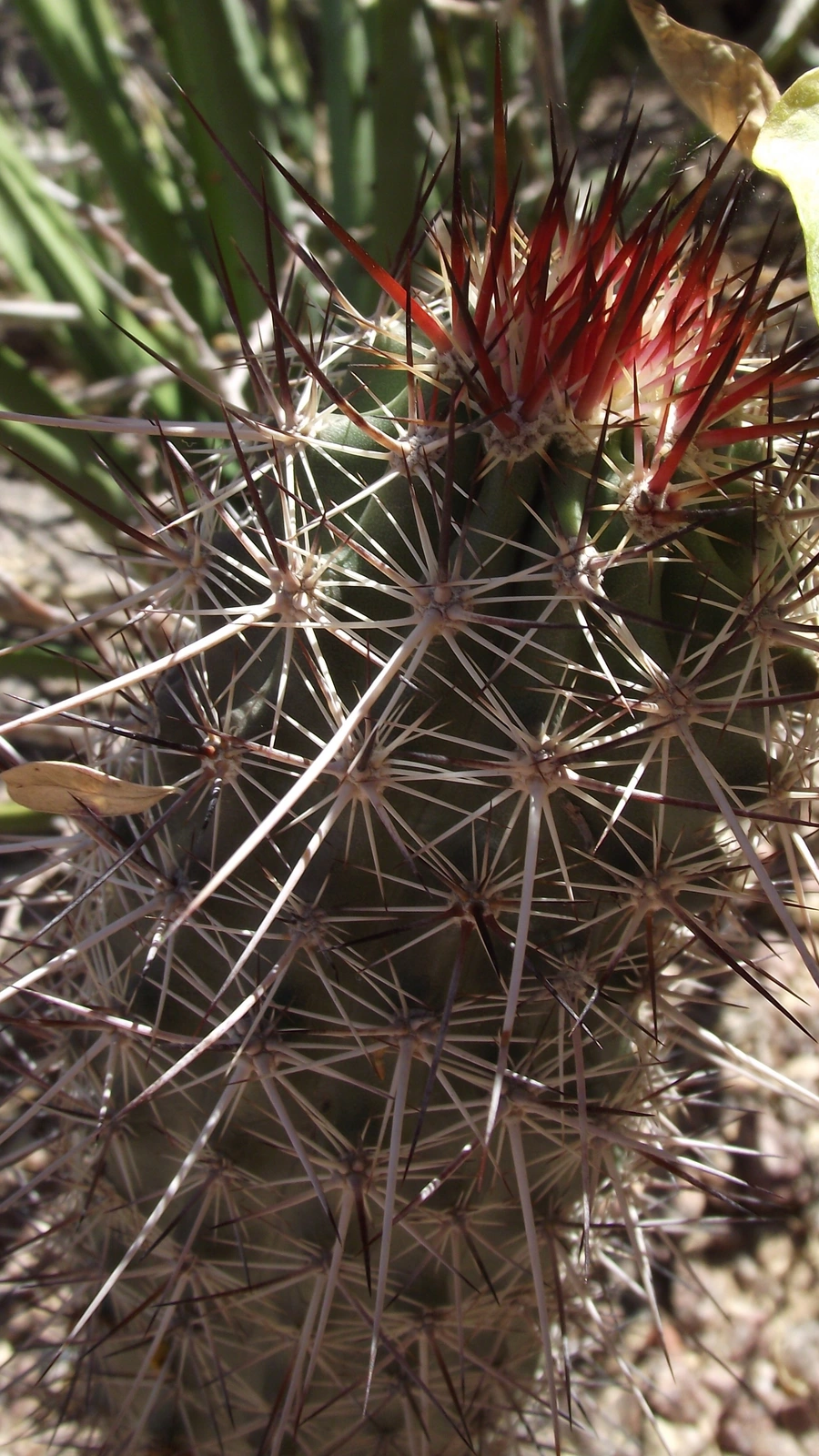
It forms cylindrical, upright stems that branch from the base over time to form small clumps. The ribs are prominent, lined with woolly areoles that sprout stout, rigid spines in shades of grey, yellow, or brown. In spring and early summer, it produces large, funnel-shaped flowers, usually boasting a brilliant pink to magenta color with a lighter throat.
In cultivation, Echinocereus ferreiranus requires a highly porous, mineral-based potting substrate with exceptional drainage. Watering should be deep but infrequent during the active growing season, and completely suspended during the winter dormant phase to mimic its natural cycle.
The most prevalent issue is root rot induced by overwatering or compacted soil. Keeping the plant wet during cold winter months is almost always fatal. Insufficient light leads to weak, elongated growth (etiolation) and prevents the development of its signature flowers.
Requires full sun and intense direct light to develop strong spines.
Water only after the substrate dries out completely. Keep dry in winter.
Thrives in a highly porous, grit-rich, mineral soil with no excess organic matter.
Armed with very sharp spines; handle with care and keep away from pets and children. Non-toxic.
Moderate. Requires strict water control in winter but otherwise very resilient.
Naturally distributed across the arid, rocky volcanic slopes and dry plains of Mexico's Baja California peninsula and the state of Sonora.
