
Light
Full Sun
Requires at least 6 hours of direct sunlight daily; ideal for south- or west-facing windows.
 Reference image
 Reference image
False Rainbow Cactus
Echinocereus pseudopectinatus, commonly known as the False Rainbow Cactus, is a highly ornamental, slow-growing succulent subshrub belonging to the Cactaceae family. Renowned for its neat, comb-like spine arrangement and vibrant magenta blooms, it is highly prized by collectors for both its architectural symmetry and seasonal floral display 1.
The genus name Echinocereus is derived from the Greek 'echinos' (hedgehog) and the Latin 'cereus' (wax candle), describing its spiny, columnar form. The specific epithet 'pseudopectinatus' translates to 'false comb-like', distinguishing this species from its close lookalike, Echinocereus pectinatus, through subtle differences in spine morphology and central spine development 2.
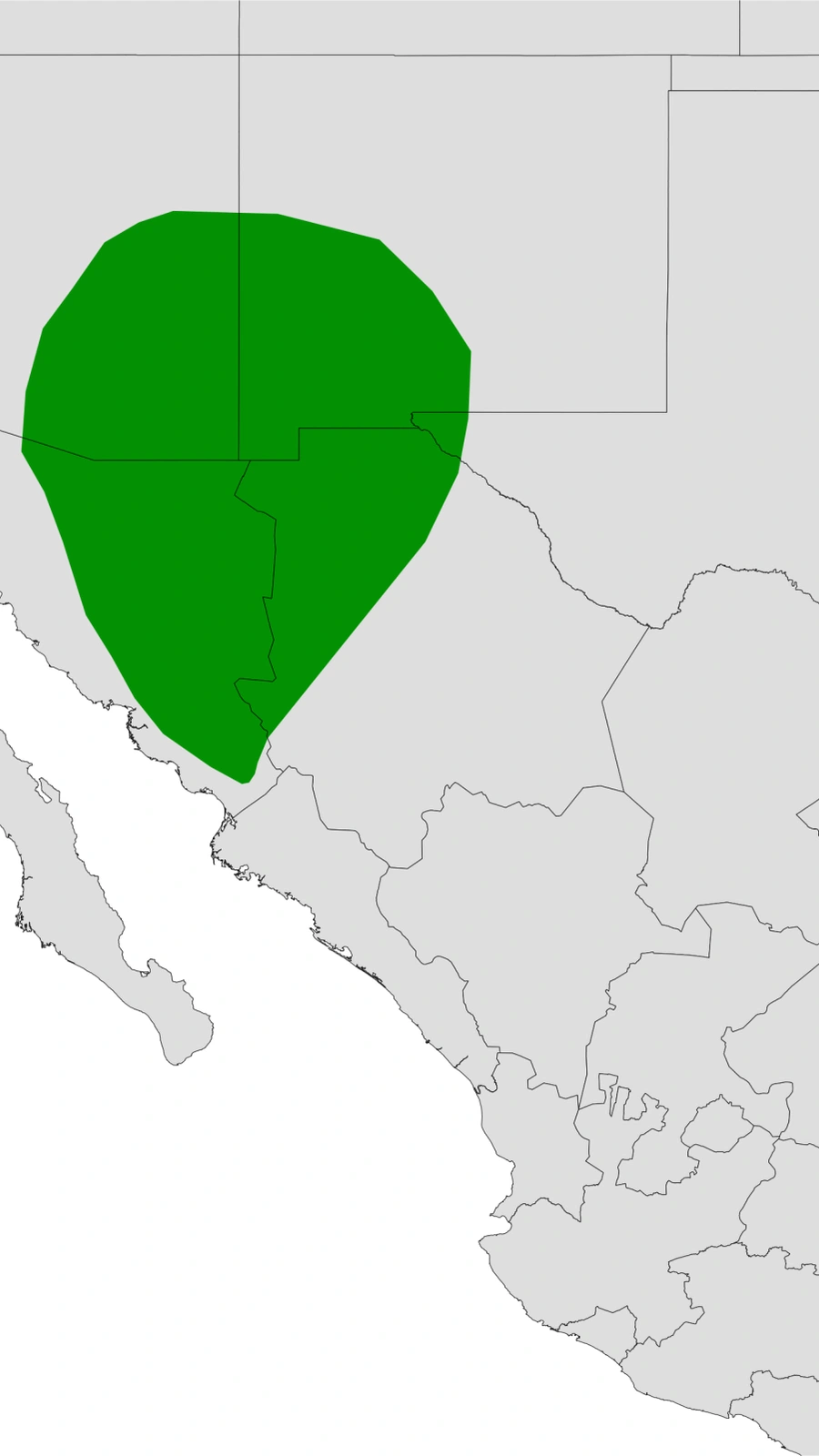
This species is native to the dry shrublands and deserts of southwestern North America. Its natural range extends from southern Arizona in the United States down into northern Mexico, including the states of Sonora, Sinaloa, and parts of Baja California. It thrives on limestone slopes and alluvial plains 1.
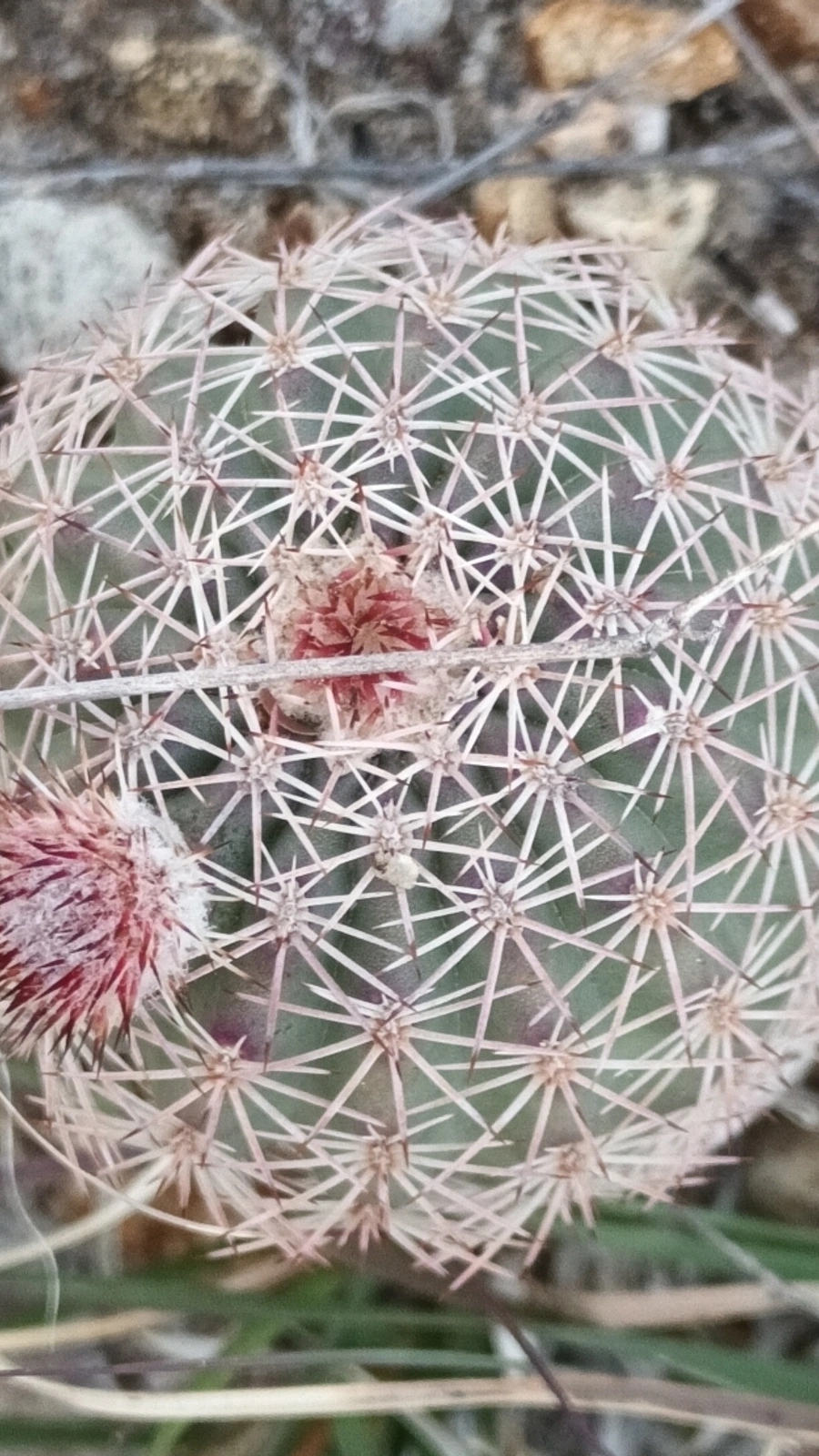
The plant typically grows as a solitary, cylindrical stem that may offset from the base with age. It features 15 to 20 straight ribs covered in tightly arranged, pectinate (comb-like) spines that wrap around the stem. These spines vary in color from white and yellow to pinkish-red, often giving the plant a banded, rainbow-like appearance. In late spring, large, funnelform bright pink to magenta flowers emerge from the upper stem 2.
In cultivation, this cactus requires maximum sunlight and exceptionally well-draining mineral soil. Water thoroughly during the active spring and summer growth phases, allowing the substrate to dry completely between applications. During winter dormancy, keep the plant entirely dry and cool to encourage flowering in the subsequent season 1.
The most prevalent issue is overwatering during the cold winter months, which inevitably leads to root rot. Using rich organic soils that retain moisture also damages the root system. Insufficient light exposure will result in etiolation, stretching the stem and preventing the development of its colorful spines and flowers.
Requires at least 6 hours of direct sunlight daily; ideal for south- or west-facing windows.
Allow the potting medium to dry out 100% between waterings. Keep dry in winter.
Use a specialized mineral-rich cactus mix with high proportions of pumice and gravel.
Spines are sharp and can easily penetrate skin. Handle with thick gloves or tongs. Non-toxic.
Very easy to care for as long as overwatering is avoided and winter dormancy is respected.
Naturally distributed across the arid, rocky limestone hillsides of southern Arizona and extending through the Mexican desert landscapes of Sonora, Sinaloa, and Baja California.
