
Light
Direct Sun
Requires at least 6 hours of direct sunlight daily to maintain its flat-spherical form.
 Reference image
 Reference image
Beautiful Hedgehog Cactus
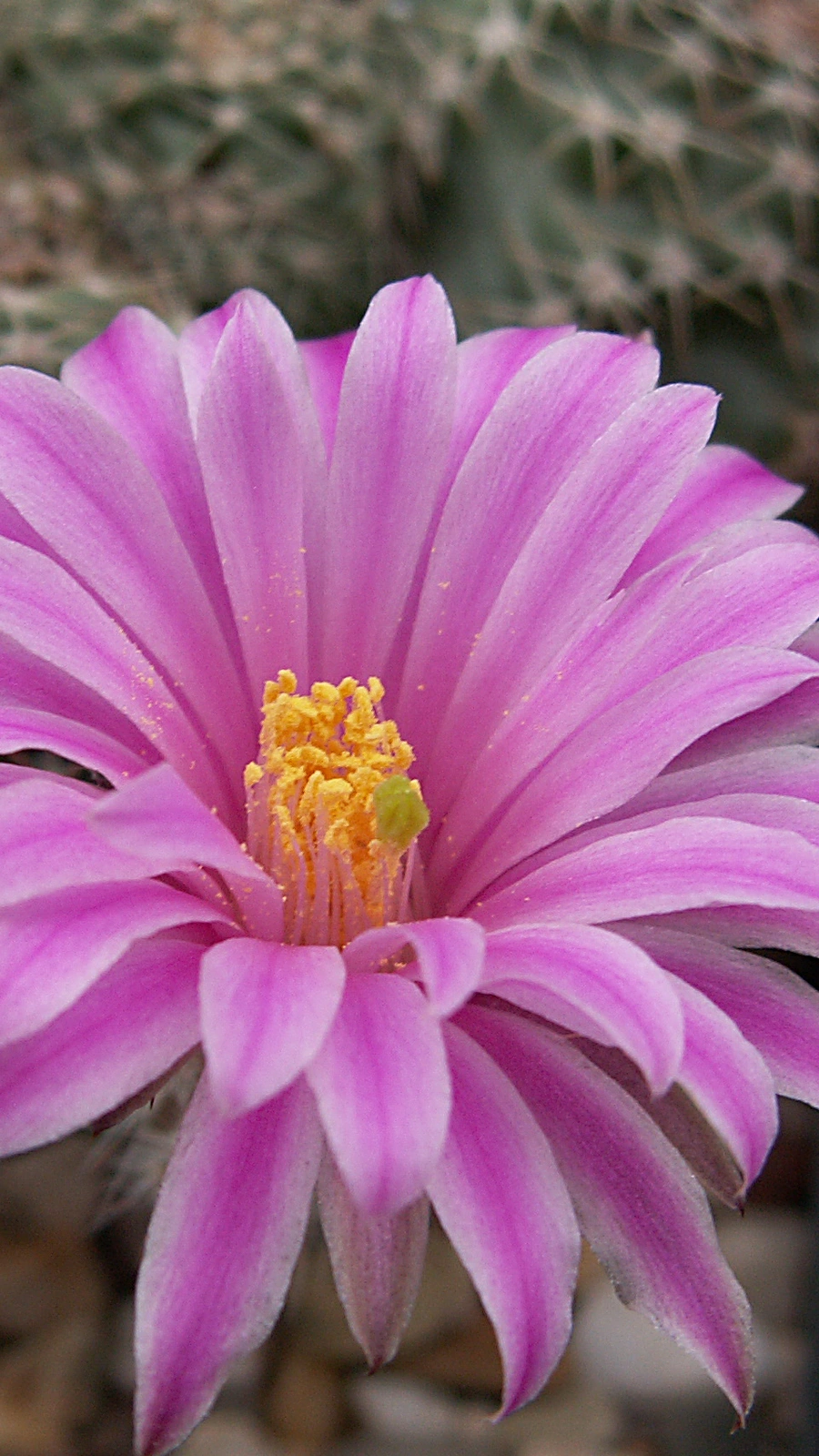
Echinocereus pulchellus is a small, geophytic cactus species celebrated for its flattened globose stem and strikingly beautiful pastel flowers. The specific epithet pulchellus translates from Latin to "quite beautiful," capturing the charm of its delicate structure and showy blooms 1.
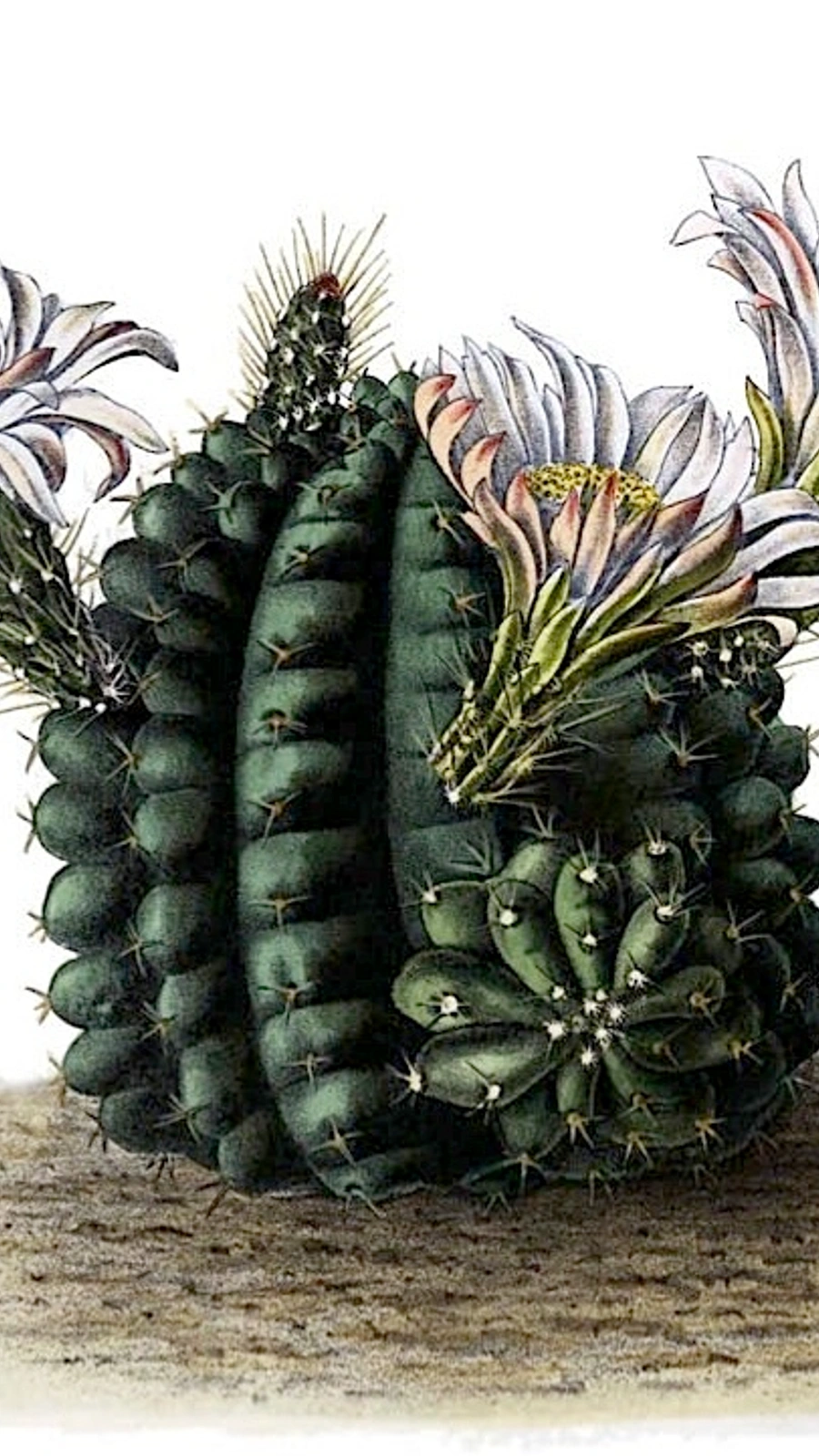
Classified within the genus Echinocereus, family Cactaceae, this species was originally described by George Engelmann. It has several recognized subspecies, including subsp. acanthosetus and subsp. sharpii, reflecting its morphological diversity across different microhabitats 2.
Endemic to central and northern Mexico, it occurs across states like San Luis Potosí, Querétaro, and Hidalgo 1. It typically thrives in high-altitude grasslands and dry shrublands between 1800 and 2400 meters above sea level, growing flush with the ground.
The stem is pale green to blue-green, heavily ribbed, and bears short, non-aggressive spines. A fascinating survival mechanism is its tendency to shrink and pull beneath the soil line during dry seasons. Late spring brings funnel-shaped flowers in shades of pink, magenta, or white.
This species is highly sought after by collectors due to its cold hardiness and ease of cultivation. It requires a highly mineralized, fast-draining substrate and strong direct sunlight. Watering should be deep but infrequent during spring and summer, followed by a dry winter rest 2.
Overwatering during the winter rest is the primary cause of root rot. Lack of sufficient sunlight will cause etiolation, causing the natural flat-globose stem to stretch and weaken.
Requires at least 6 hours of direct sunlight daily to maintain its flat-spherical form.
Water only when the substrate is completely dry. Keep bone dry throughout the winter.
Very low organic matter. Use a grit-heavy mix with pumice, perlite, and coarse sand.
Non-toxic to pets, but has tiny, needle-like spines that require careful handling.
Very easy for beginners, provided they resist the urge to water in winter.
Native to the high-elevation grasslands of central and northern Mexico. Grown in limestone soils, it has adapted to withstand cold, dry winter conditions by shrinking into the ground.
