
Light
Direct Sun
Requires full, direct sun for at least 6 hours daily to maintain dense, white spines.
 Reference image
 Reference image
Rayones Hedgehog Cactus
Echinocereus rayonesensis is a highly attractive, clustering cactus species belonging to the family Cactaceae. Known for its dense, snowy-white spination and spectacular magenta-pink spring flowers, this succulent subshrub is highly prized by cactus enthusiasts for its ability to form large, tight cushions over time.
Classified within the genus Echinocereus, this species was named after the town of Rayones in Nuevo León, Mexico, where it was discovered 1. While closely related to other white-spined species like Echinocereus nivosus, it is distinguished by its distinct stem morphology, rib count, and clustering habit 2.
This species is endemic to the northeastern regions of Mexico, primarily found in the state of Nuevo León 1. It grows in arid deserts and dry shrublands, typically colonizing steep limestone cliffs, rocky crevices, and gravelly slopes where it enjoys sharp drainage and intense solar radiation.
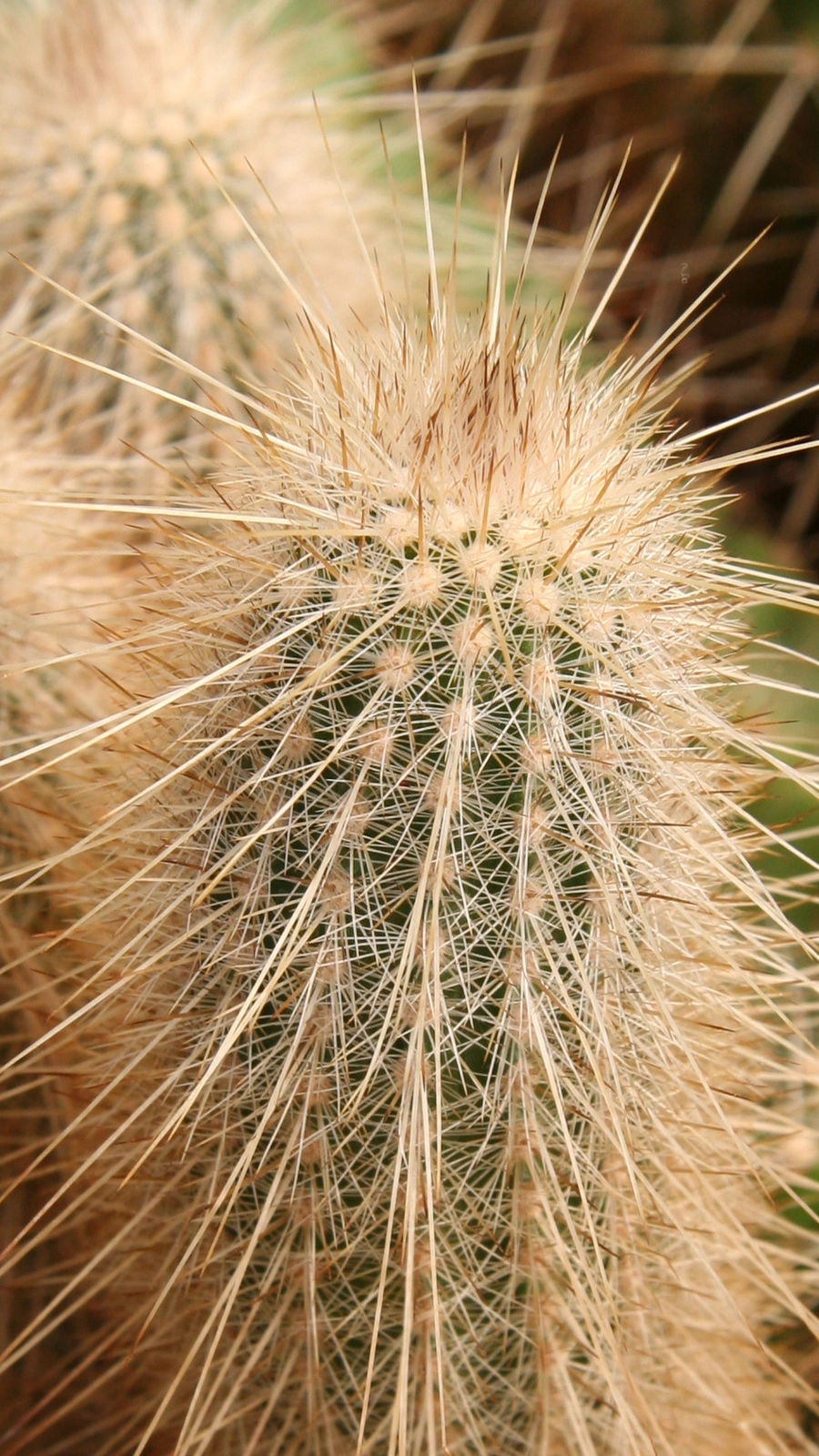
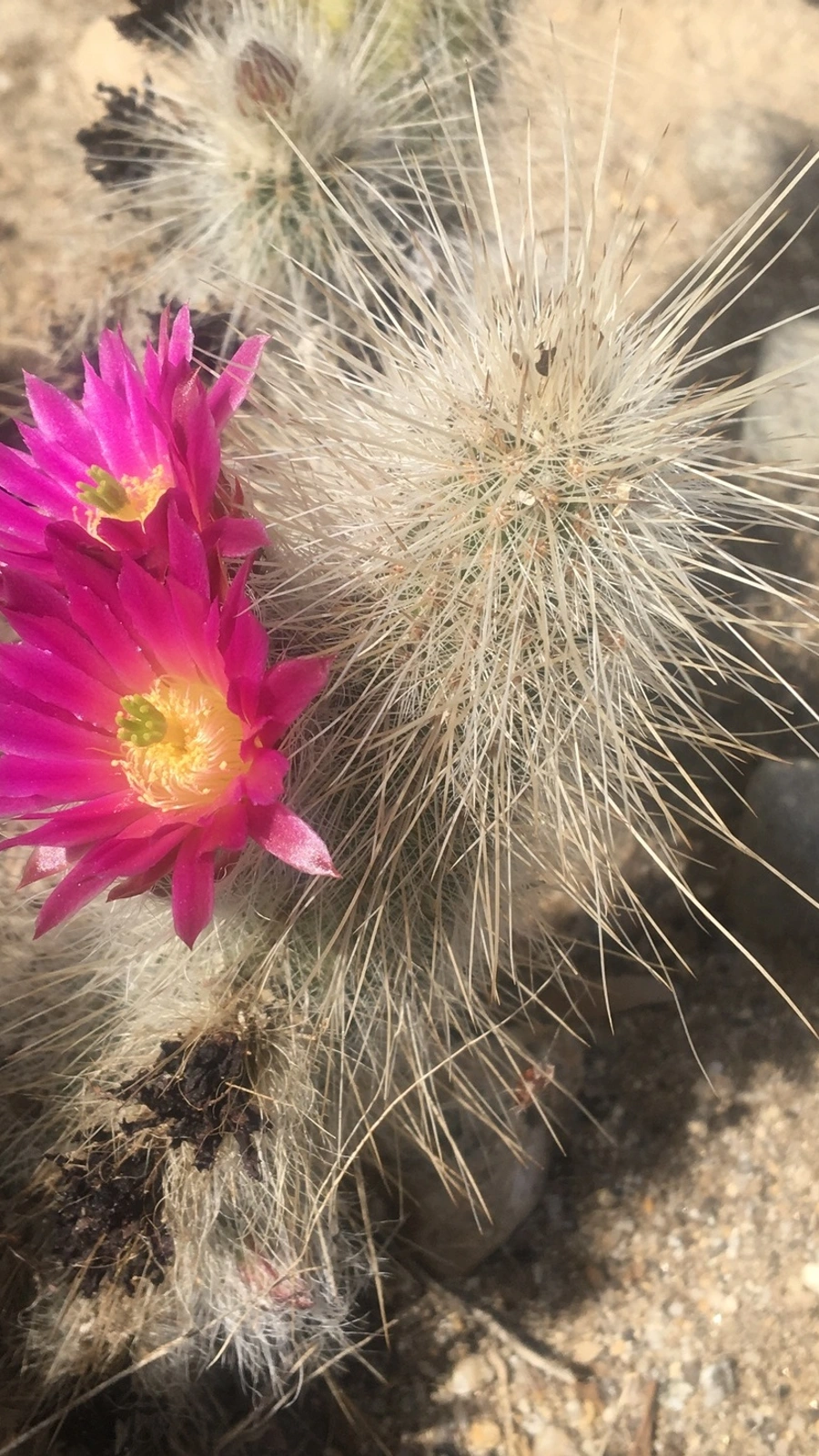
Echinocereus rayonesensis produces cylindrical stems that branch profusely from the base, forming colonies that can contain up to 100 or more stems. Individual stems grow about 10–15 cm high and 3–5 cm in diameter. The stems are completely obscured by a dense layer of fine, glassy-white radial spines. In late spring, it produces beautiful, funnel-shaped flowers that are 4–6 cm wide and display vibrant magenta or pink petals with green stigma lobes.
In cultivation, it requires a very porous, mineral-rich soil mix with minimal organic matter. It thrives under full sun, which keeps its spination dense and robust. Water thoroughly during the hot summer months only after the soil has dried out completely. During winter, it must be kept entirely dry and in a cool location to induce dormancy and subsequent flowering.
The most frequent mistake is overwatering in poorly drained soils or keeping the plant in shaded indoor spots. Insufficient light leads to etiolation (weak, stretched growth) and thin, sparse spines. Winter moisture easily leads to root and stem rot.
Requires full, direct sun for at least 6 hours daily to maintain dense, white spines.
Allow soil to dry out completely between waterings in summer; keep bone-dry in winter.
Mineral-heavy cactus mix rich in pumice, limestone, and coarse sand.
Non-toxic, but the extremely dense and sharp spines require careful handling.
Moderate; very straightforward if given sufficient light and strictly dry winters.
Endemic to the steep, rocky limestone canyons of Nuevo León in northeastern Mexico, growing in arid desert and mountain scrublands.
