
Light
Full Sun
Requires full, direct sunlight year-round.
 Reference image
 Reference image
Arizona Rainbow Cactus
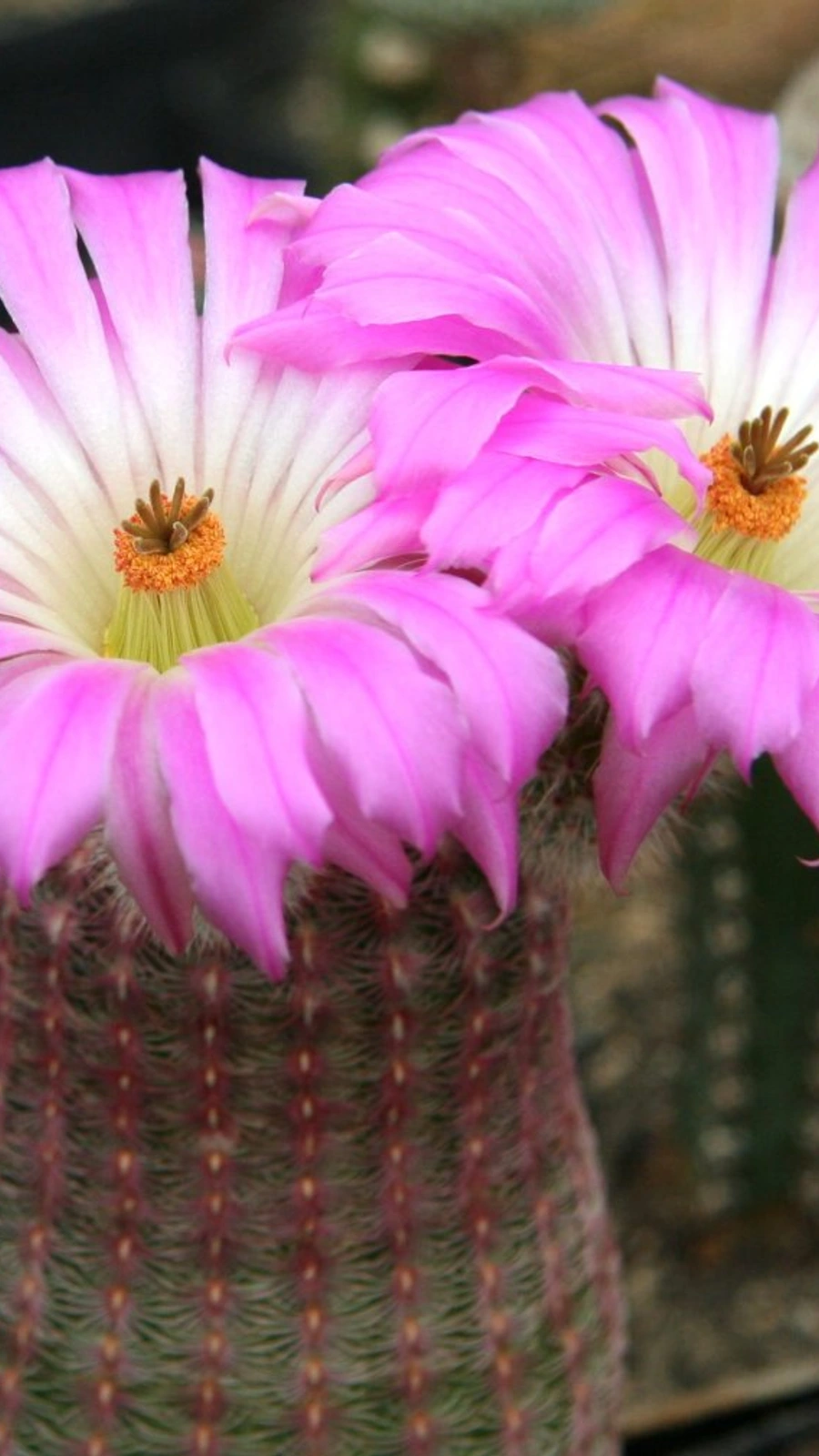
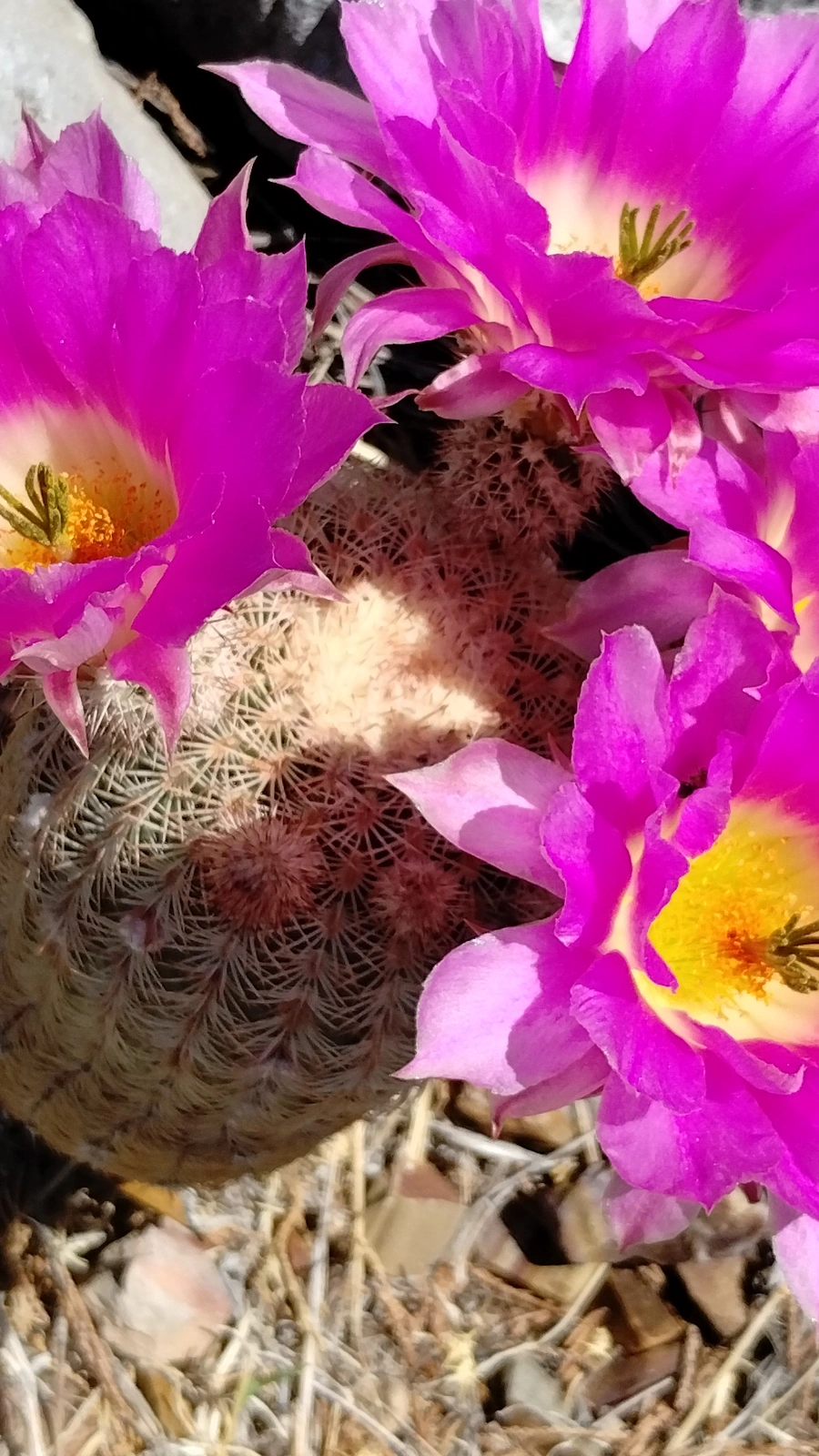
Echinocereus rigidissimus, commonly known as the Arizona Rainbow Cactus, is a highly sought-after, solitary-growing cactus famous for its colorful bands of spines 1. Belonging to the family Cactaceae, this species adds architectural beauty and vibrant colors to arid gardens and indoor collections.
Originally described by George Engelmann, the specific epithet rigidissimus refers to the extremely rigid, stiff, and pectinately arranged spines that tightly press against the stem, forming a protective shield 2. It is the type representative of the rainbow cacti group within the genus Echinocereus.
Native to the southwestern United States (Arizona and New Mexico) and northwestern Mexico (Sonora and Chihuahua), it thrives in rocky, limestone hillsides, desert grasslands, and dry shrublands at elevations ranging from 900 to 1,800 meters 1.
The stem is erect, cylindrical, and usually remains unbranched. What makes it spectacular is the arrangement of radial spines, which vary in color from bright pink, magenta, reddish-brown, to cream and white. These colors form distinct concentric rings representing seasonal growth phases. In late spring, massive, showy, bright magenta flowers with contrasting white throats bloom near the apex 2.
This species demands exceptionally well-drained, mineral-heavy soil mixes containing pumice, gravel, and coarse sand. It requires full sun to maintain its intense spine coloration and compact form. Water thoroughly during the hot summer months, but allow the substrate to dry out completely between waterings 1.
The most prevalent failure in cultivating Echinocereus rigidissimus is overwatering, especially during its winter dormancy. Poorly draining soil or stagnant moisture quickly triggers root rot, which can be fatal.
Requires full, direct sunlight year-round.
Water only when dry in summer; keep bone dry in winter.
Excellent draining cactus mix rich in pumice, sand, and limestone grit.
Spines are sharp and rigid; keep out of reach of children and pets.
Very easy to care for if watering is properly managed.
Occurs naturally in high-elevation rocky desert slopes of the Southwestern United States and Northern Mexico.
