
Light
Full Sun
Requires at least 6 hours of direct sunlight daily.
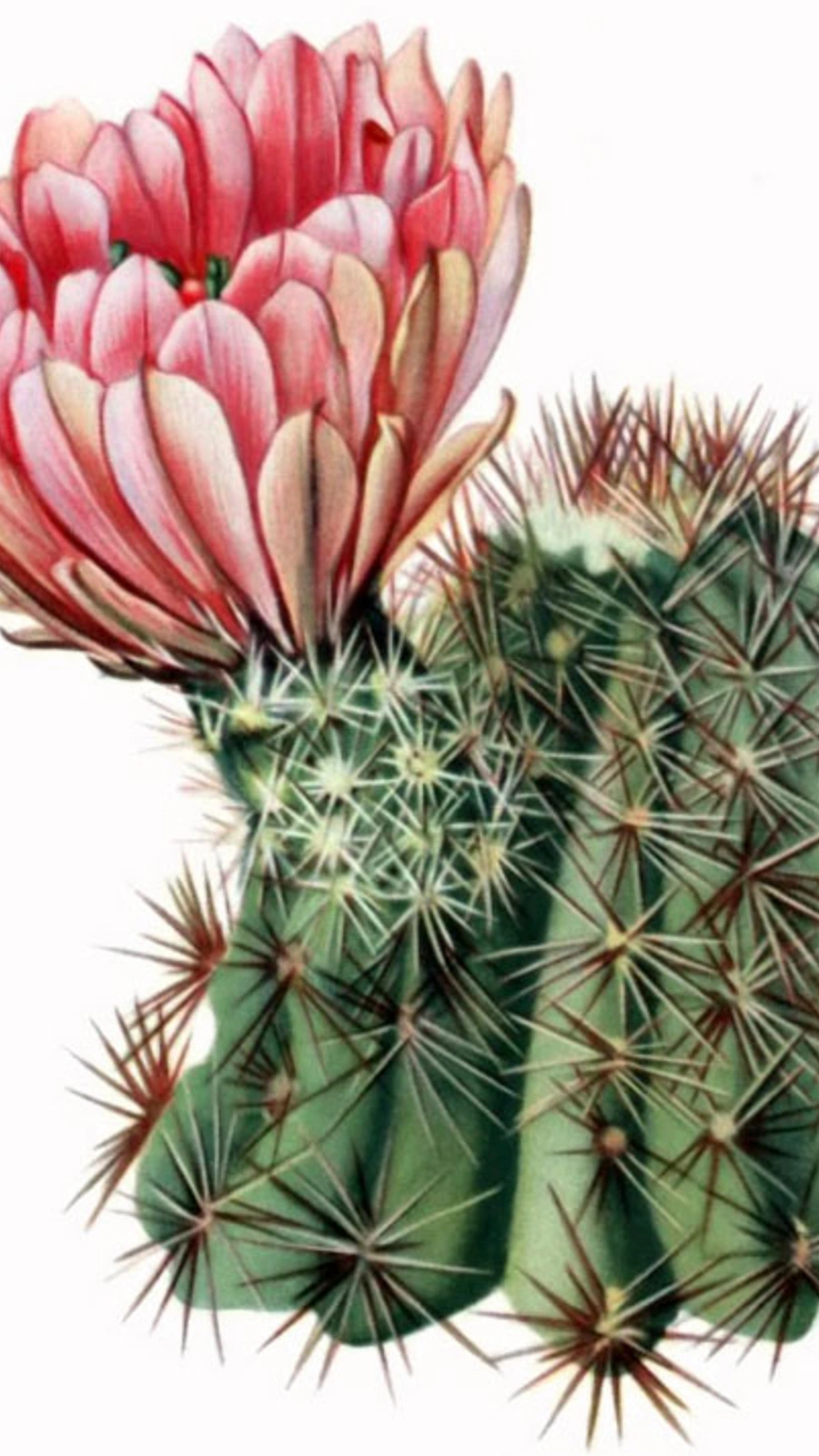 Reference image
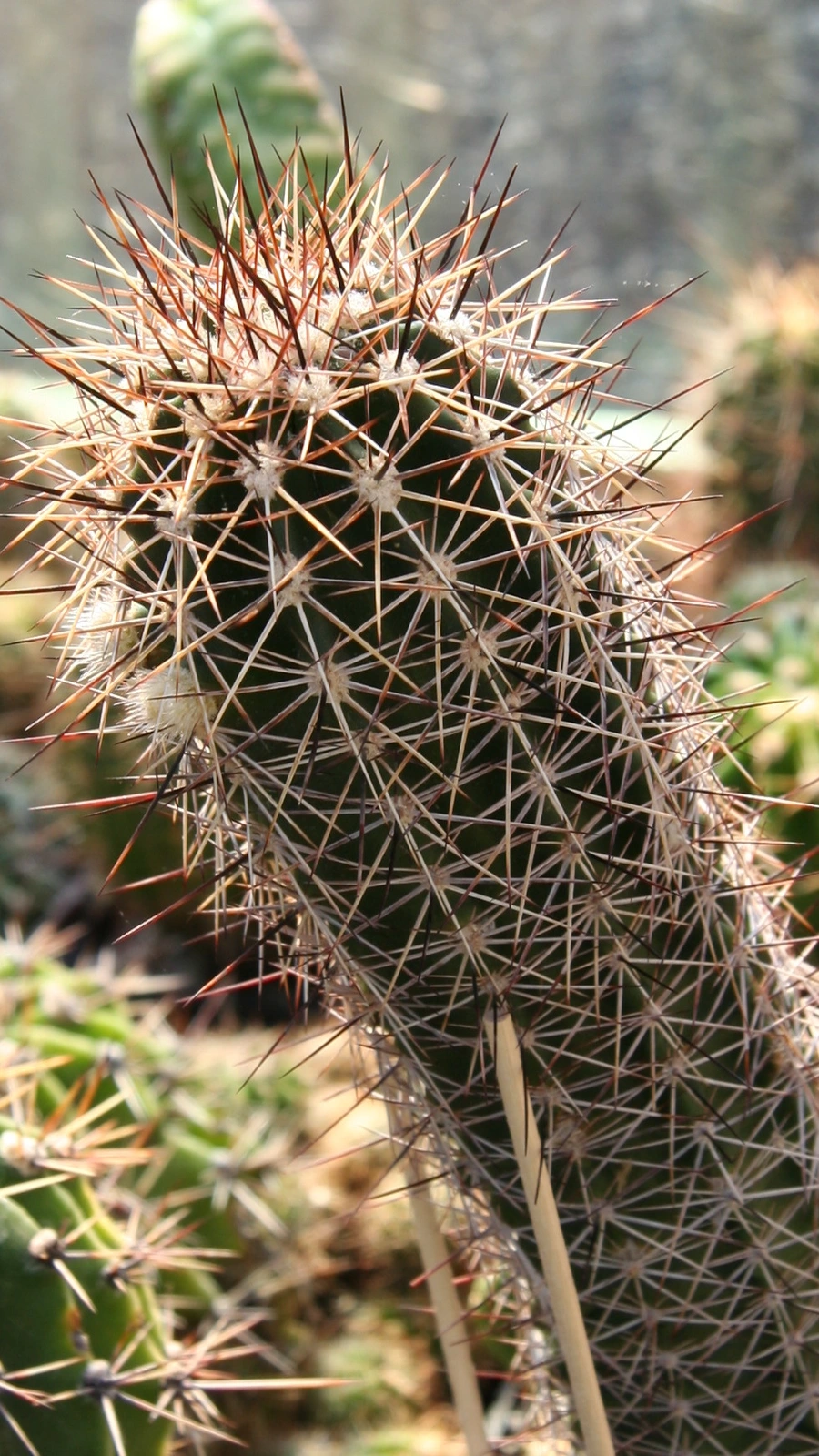 Reference image
Lloyd's Hedgehog Cactus
Echinocereus × roetteri is a remarkable natural hybrid succulent subshrub in the Cactaceae family 1. It is widely recognized as a naturally occurring hybrid between Echinocereus coccineus and Echinocereus dasyacanthus. Celebrated for its resilience and extraordinarily vibrant, multicolored flowers, it is a prized specimen for desert gardens and succulent enthusiasts.
Originally described by George Engelmann in 1856, this taxon has historically been treated under various names, including Echinocereus lloydii and Echinocereus dasyacanthus var. roetteri 2. The '×' in its scientific name denotes its hybrid origin, blending the cold-hardiness and floral characteristics of its parent species.
This cactus is native to the South-Central United States (primarily Texas and New Mexico) and northern Mexico (Chihuahua, Coahuila, Durango) 1. It thrives in desert grasslands, dry shrublands, and rocky limestone slopes at elevations ranging from 1,000 to 2,000 meters.
It forms small clumps of cylindrical, ribbed stems that branch near the base. The spines are stout and display a striking spectrum of pink, red, yellow, and grey. During late spring, it produces large, funnelform flowers that range in color from pastel pink and apricot to deep orange and magenta.
This species demands full sun to maintain its compact growth and vibrant spine coloration. It requires an open, mineral-rich gritty soil mix that drains rapidly. Water deeply during the active spring and summer growth phases, but enforce a strict dry period throughout the cold winter months to prevent rot 2.
The most prevalent issue is root rot induced by overwatering or compacted soil. Keeping the cactus wet during its winter dormancy is often fatal. Lack of adequate light causes weak, pale, and stretched stems (etiolation).
Requires at least 6 hours of direct sunlight daily.
Water deeply only when substrate is dry; keep dry in winter.
Use a mineral-rich, highly porous cactus soil mix with pumice.
Non-toxic, but features sharp spines; handle with care and keep away from pets.
Very easy to maintain if overwatering and poor drainage are avoided.
Naturally occurs across the Chihuahuan desert region, spanning from the rocky hillsides of western Texas and southern New Mexico down into northern Mexican states like Coahuila and Durango.
