
Light
Full Sun
Requires direct, intense sunlight; low light leads to pale spines and weakened, etiolated growth.
 Reference image
 Reference image
Rusty Hedgehog Cactus
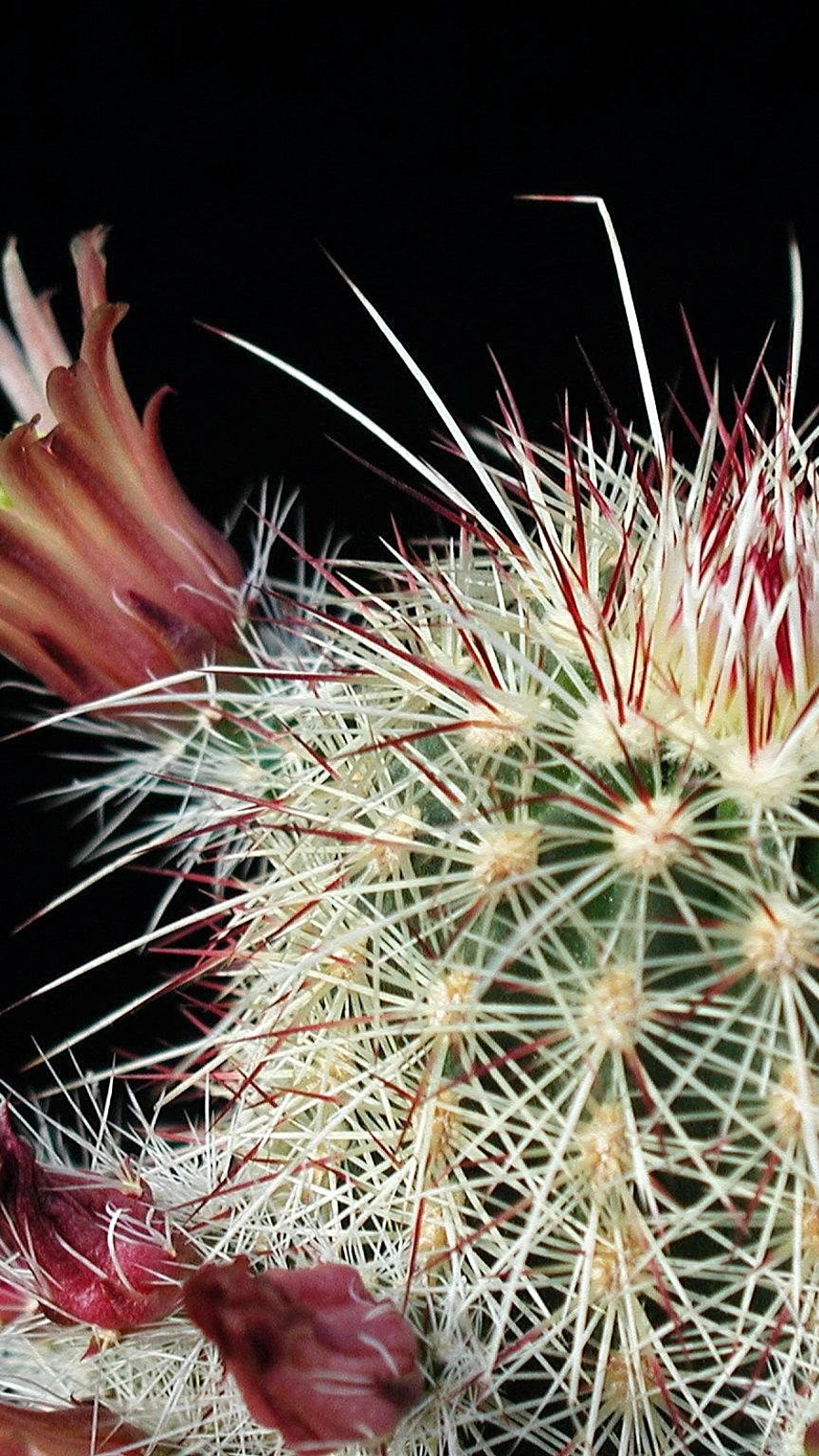
Echinocereus russanthus, commonly known as the rusty hedgehog cactus, is a cold-hardy succulent subshrub belonging to the family Cactaceae 1. Renowned for its dense, rust-colored spine cover and unusual dark reddish-brown flowers, this species is a prized addition to arid gardens and succulent collections worldwide.
The species was historically described by George Engelmann. The specific epithet russanthus translates from Latin as "russet-flowered," directly referencing its characteristic blossom hue 2. Taxonomists sometimes classify it as a subspecies of the green-flowered hedgehog cactus, under the name Echinocereus viridiflorus subsp. russanthus.
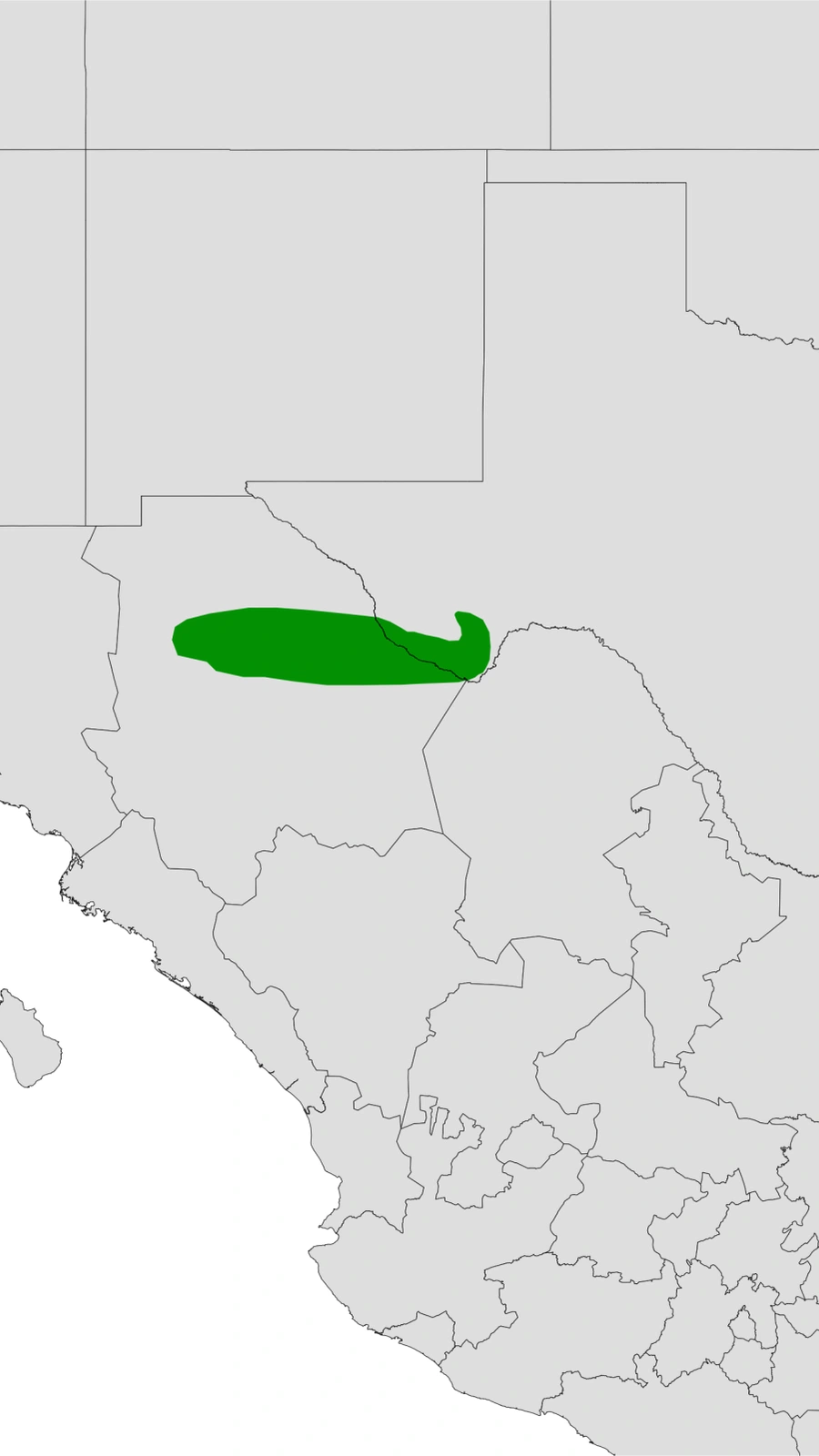
This cactus is native to the southwestern United States (principally Texas) and northern Mexico (including Coahuila, Chihuahua, and Durango) 1. It thrives in desert and dry shrubland biomes, typically anchoring in rocky limestone crevices, gravelly slopes, and alluvial plains at moderate to high elevations.
The plant features cylindrical, mostly erect stems that can grow solitary or form small clumps over time. Stems feature 10 to 18 ribs, covered in closely set areoles with bristly, reddish-brown, copper, or yellowish spines. In late spring, small, tubular flowers emerge, displaying unique shades of rusty red, chocolate brown, or dull maroon 2.
In cultivation, Echinocereus russanthus requires minimal intervention. It demands full sun exposure and an open, mineral-rich, highly gritty substrate. During winter, it exhibits remarkable frost tolerance, provided the roots are kept bone-dry 1. Water thoroughly in summer only when the medium is completely dry.
Overwatering is the primary cause of failure, leading rapidly to root rot. Cultivating this species in organic-heavy soil or failing to provide a dry winter dormancy period will compromise its health and reduce its cold hardiness.
Requires direct, intense sunlight; low light leads to pale spines and weakened, etiolated growth.
Allow soil to dry out completely between waterings. Maintain absolute dryness throughout winter.
Prefers a highly mineral, gritty substrate with pumice, lava rock, and coarse sand. Avoid heavy peat.
Equipped with dense, sharp spines that can cause irritation. Keep away from pets and handle with thick gloves.
Extremely easy and cold-hardy as long as overwatering and damp cold are avoided.
Native to the Chihuahuan Desert of southwest Texas and neighboring dry mountainous areas of northern Mexico, where it grows on steep limestone slopes and rocky outcroppings.
