
Light
Bright Indirect Light
Requires at least 6 hours of bright filtered sunlight or direct morning sun daily.
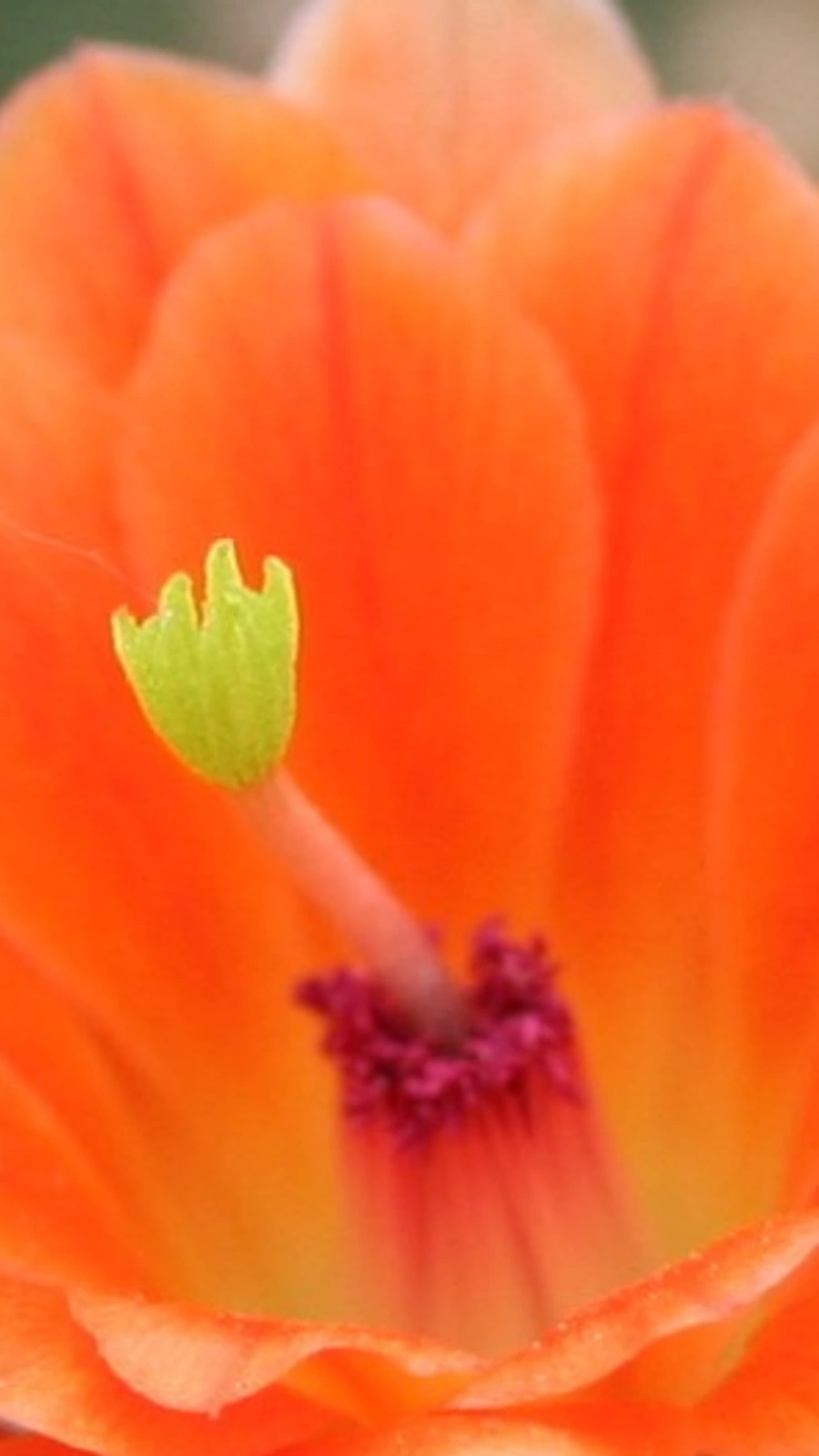 Reference image
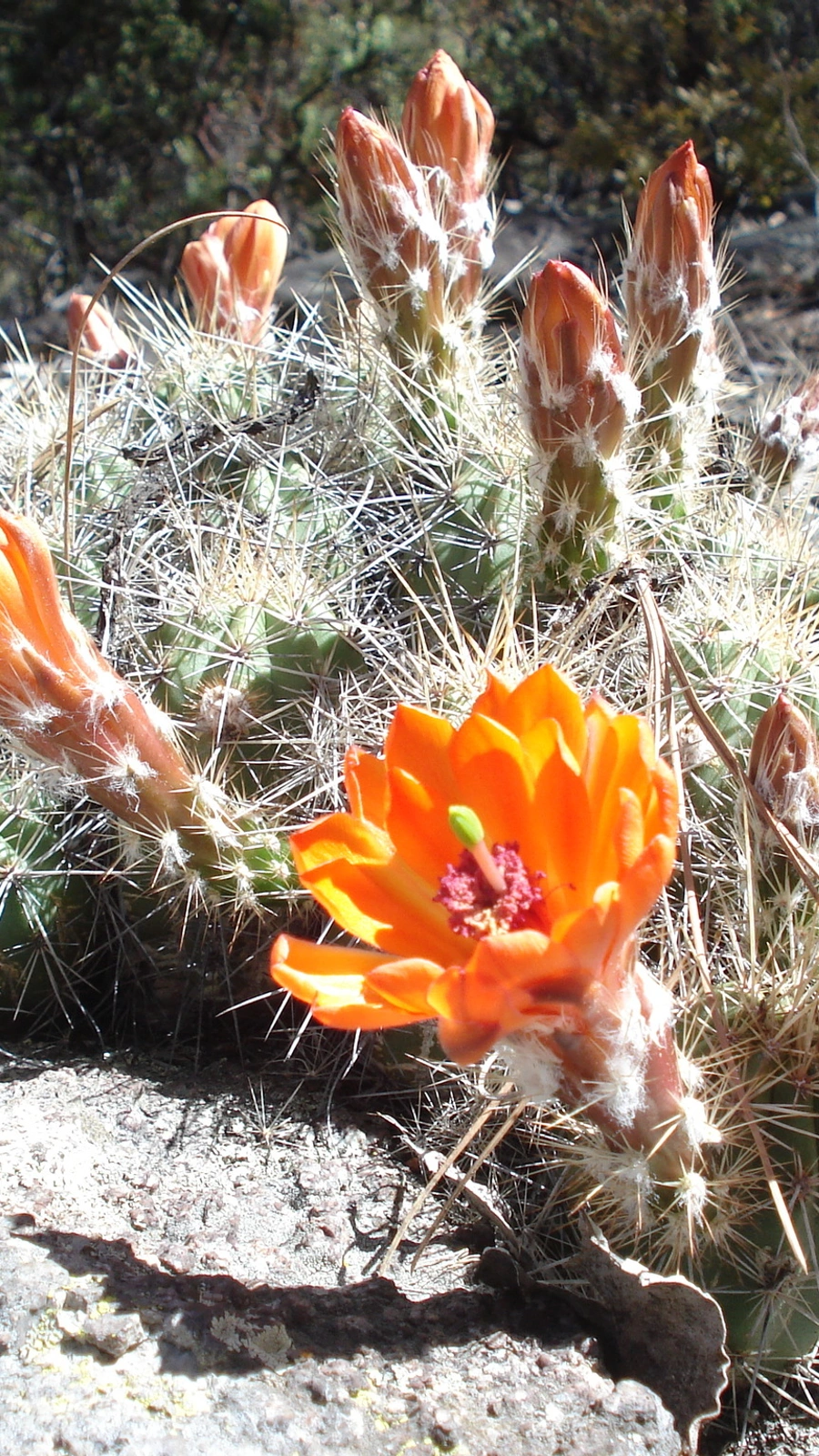 Reference image
Salm-Dyck Echinocereus
Echinocereus salm-dyckianus is a clump-forming, perennial succulent shrub in the family Cactaceae. Renowned for its brilliant, showy flowers and clustering growth habit, this species is highly valued by succulent collectors and desert gardeners alike for its resilience and aesthetic charm 1.
Belonging to the genus Echinocereus, this cactus was named in honor of Prince Joseph Salm-Reifferscheid-Dyck, a pioneering German botanist and succulent authority of the 19th century. Taxonomically, it is closely related to Echinocereus scheeri and has sometimes been treated as E. scheeri var. salm-dyckianus 2.
This species is native to Mexico, specifically occurring in northwestern and central-northern states such as Sonora, Sinaloa, Chihuahua, and Durango. It thrives in arid desert environments and dry shrublands, typically growing on well-drained rocky slopes, cliffs, and volcanic substrates 1.
The plant produces cylindrical stems that branch from the base to form dense clumps. The stems are pale green to yellowish-green, featuring 7 to 9 prominent ribs. Radial and central spines are yellowish to pale brownish, giving the plant a textured look. In late spring, it produces magnificent tubular-funnelform flowers in vivid shades of orange, salmon, or red.
In cultivation, it is straightforward to care for, requiring bright, filtered sunlight to full morning sun. Water thoroughly during the active summer growing season only when the soil has dried out completely. In winter, maintain dry and cool conditions to encourage flowering in the subsequent season 2.
The most prevalent issue is overwatering, which quickly leads to root rot. Insufficient light results in weak, elongated stem growth (etiolation) and a lack of spines. Keeping the plant too warm during winter can prevent the formation of flower buds.
Requires at least 6 hours of bright filtered sunlight or direct morning sun daily.
Allow soil to dry out completely between waterings; keep almost bone dry in winter.
Requires highly porous, mineral-rich soil with plenty of pumice and grit.
Features sharp spines; handle with gloves and keep away from pets and children.
Very easy to maintain, provided overwatering is strictly avoided.
Native to the arid slopes and dry shrublands of northern and western Mexico, including the states of Sonora, Chihuahua, and Durango.
