
Light
Bright Indirect Light
Requires at least 6 hours of direct sun or very bright indirect light to maintain its compact shape and promote blooming.
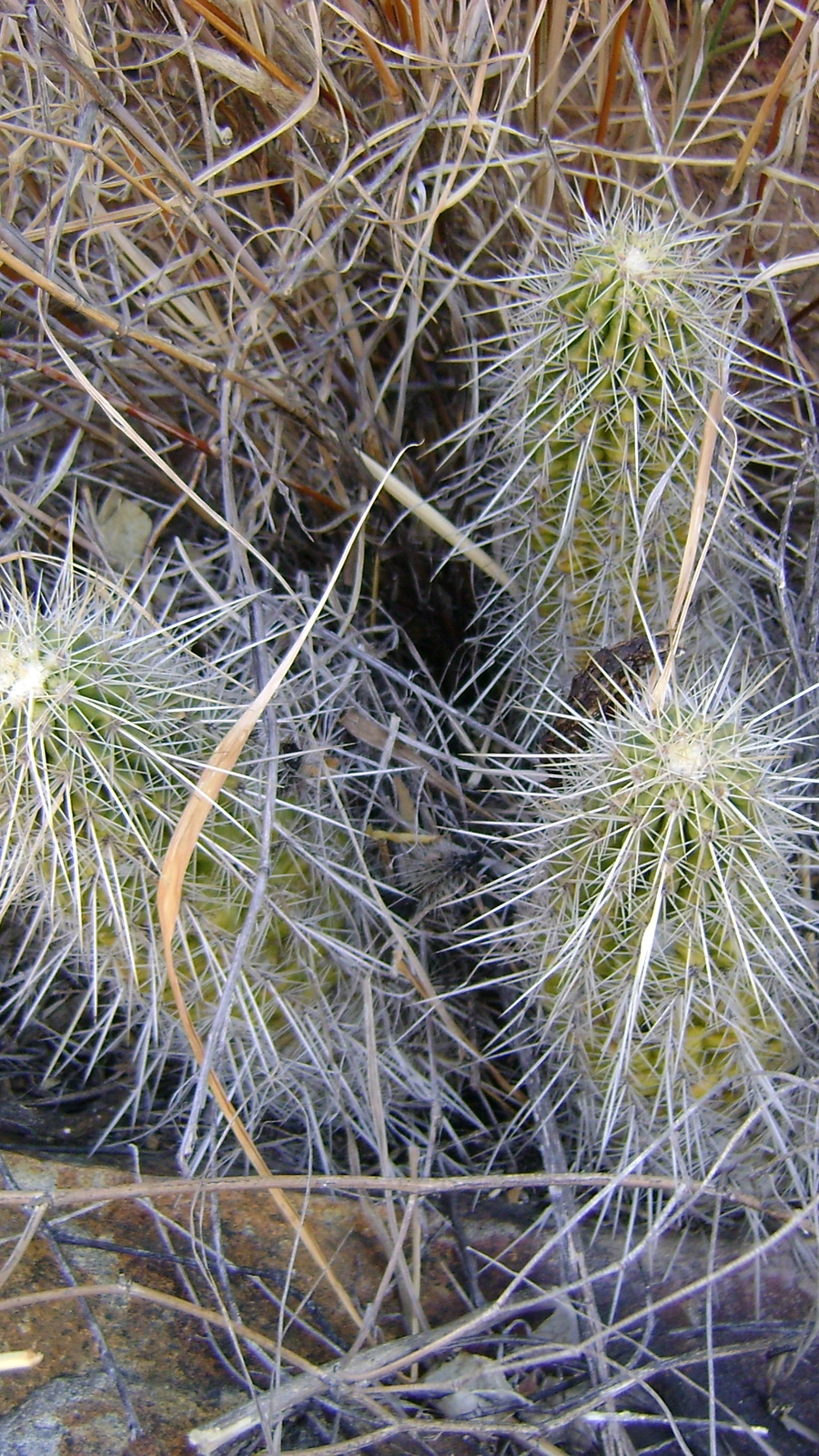 Reference image
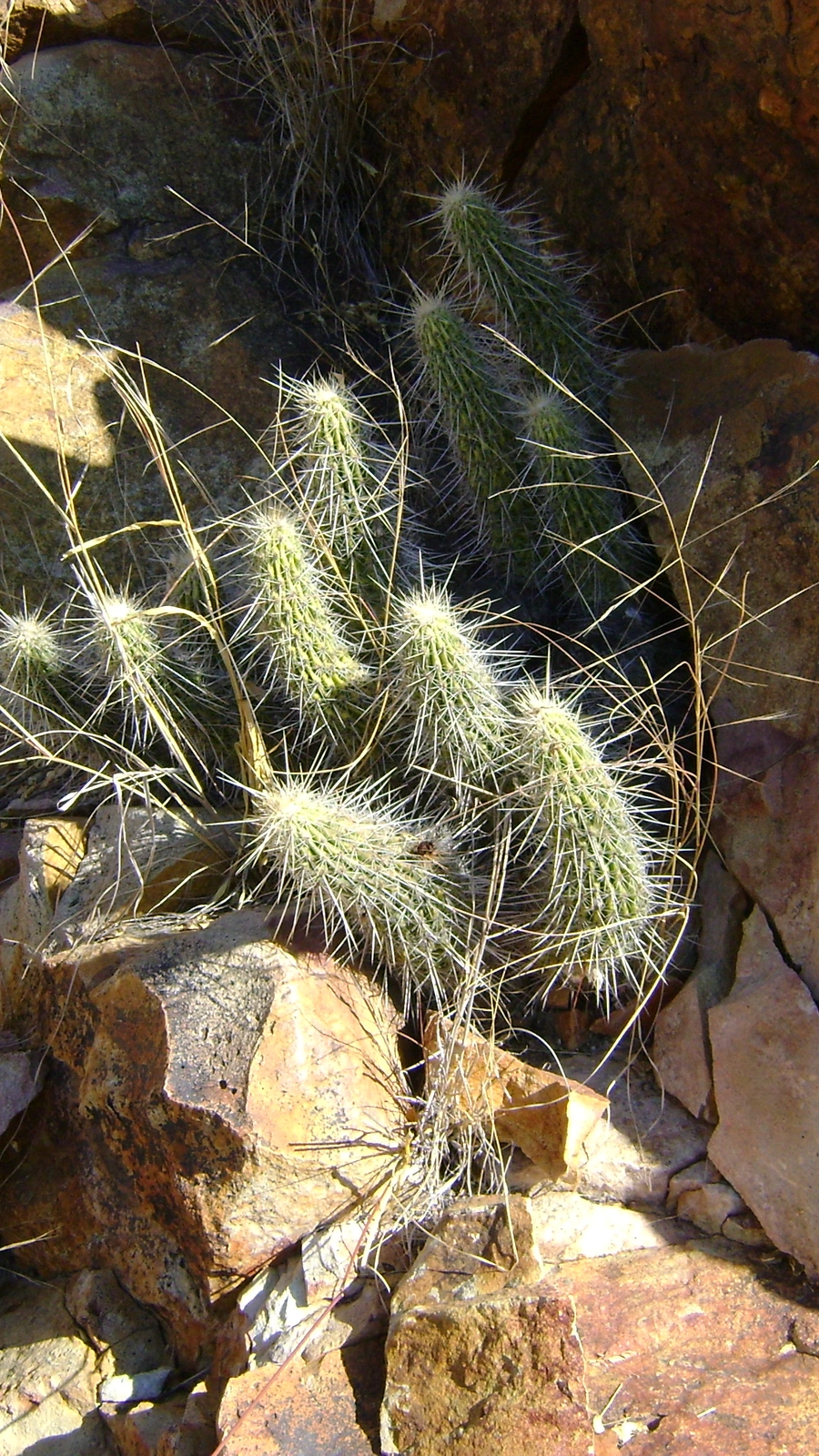 Reference image
Scherer's Hedgehog Cactus
Echinocereus schereri is a highly sought-after species within the Cactaceae family, treasured by collectors for its dense, symmetrical spination and spectacular, oversized magenta blooms that appear in spring. It is a resilient succulent subshrub adapted to arid desert environments 1.
Classified under the genus Echinocereus, the species epithet honors the botanist Scherer, who contributed to its recognition. It is distinguished from other members of the genus by its distinct comb-like (pectinate) radial spines that tightly hug the cylindrical stem 2.
Native to northern Mexico, particularly within the states of Durango and Chihuahua, this cactus thrives on rocky slopes, limestone crevices, and dry shrublands. It grows in well-drained, mineral-rich soils exposed to intense sunlight 1.
Echinocereus schereri usually grows as a solitary cylindrical stem, occasionally offsetting from the base with age. The stem reaches about 10-15 cm in height and is densely covered in comb-like radial spines that range from pinkish-grey to chalky white. In late spring, large, funnel-shaped, vibrant pink-to-magenta flowers emerge from the sides of the stem, often hiding the plant beneath 2.
In cultivation, this species requires a very bright spot with some direct sunlight. Watering should be thorough but infrequent, allowing the substrate to dry completely between applications. During winter dormancy, watering must be suspended to prevent rot 1.
Overwatering and using heavy, organic-rich soil mixes are the primary causes of root rot. Lack of a cool, dry winter rest period will also prevent the plant from developing its characteristic spring blossoms 2.
Requires at least 6 hours of direct sun or very bright indirect light to maintain its compact shape and promote blooming.
Allow the soil to dry out completely between waterings in summer; keep completely dry during the winter months.
Requires a highly porous, mineral-based cactus mix with plenty of pumice, coarse sand, and perlite.
Non-toxic, but the dense, sharp spines can cause physical injury. Handle with care and keep away from pets.
Very easy to maintain, provided you avoid overwatering and allow for a cool winter rest period.
Native to the arid desert regions and rocky slopes of northern Mexico, particularly Durango, where it thrives in mineral-heavy limestone soils.
