
Light
Direct Sun
Requires full sun or very bright direct light to maintain its compact growth and spine density.
 Reference image
 Reference image
Squirrel Tail Cactus
Echinocereus sciurus, commonly known as the Squirrel Tail Cactus, is a beautifully clustering, multi-stemmed succulent in the family Cactaceae. Known for its dense, soft-looking spines and showy magenta blossoms, it forms impressive low-growing mounds in its natural desert environment.
The species was first formally described and cataloged within the genus Echinocereus. The specific epithet sciurus derives from the Greek word for squirrel, directly referencing the plant's densely spined, bushy stems that resemble a squirrel's tail 1.
This species is native and endemic to Mexico, specifically localized in the state of Baja California Sur 2. It thrives in arid desert shrublands, alluvial soils, and rocky volcanic slopes at elevations near sea level up to 300 meters. Due to habitat degradation and limited distribution, it is listed as Near Threatened (NT) by the IUCN.
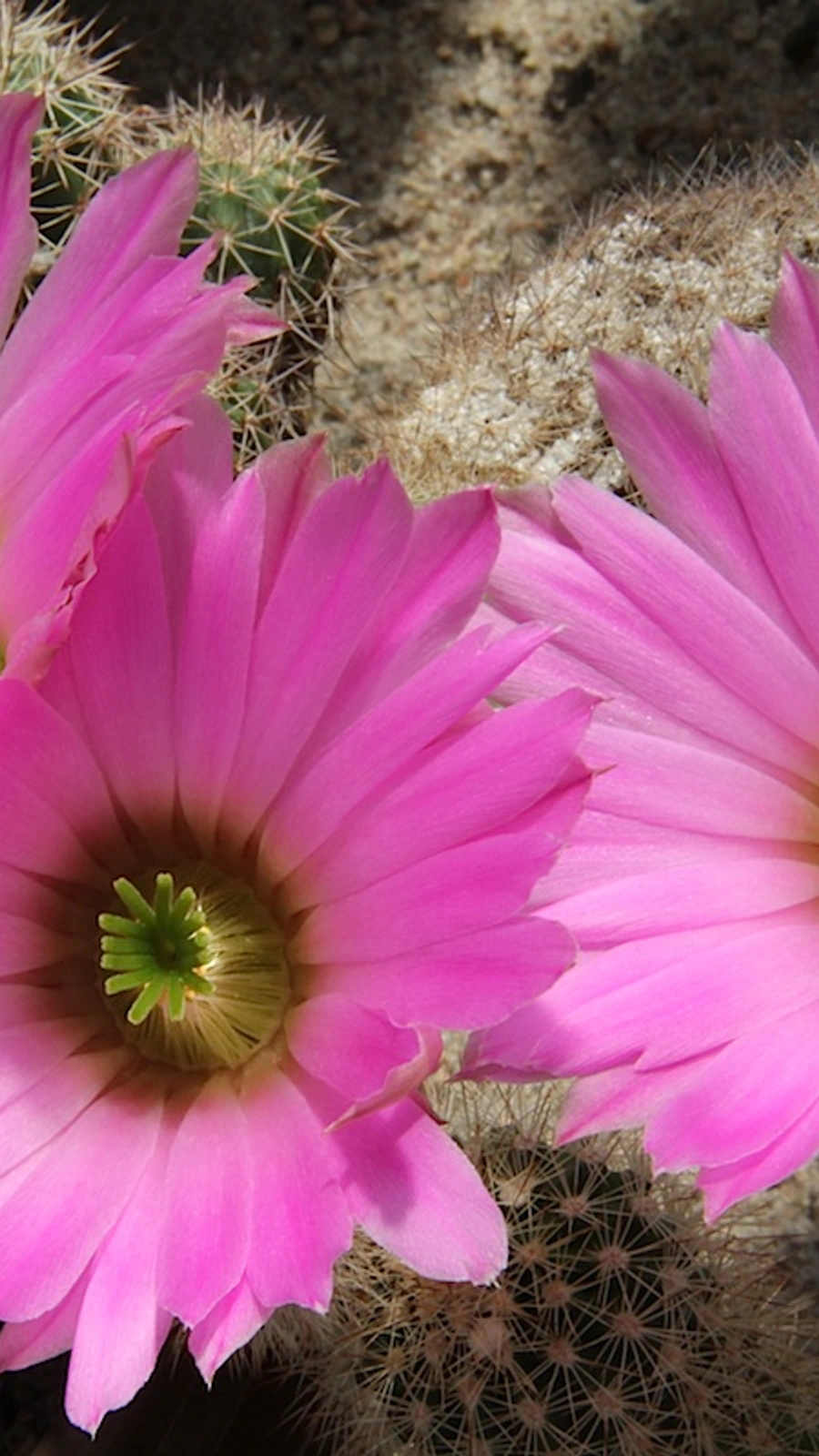
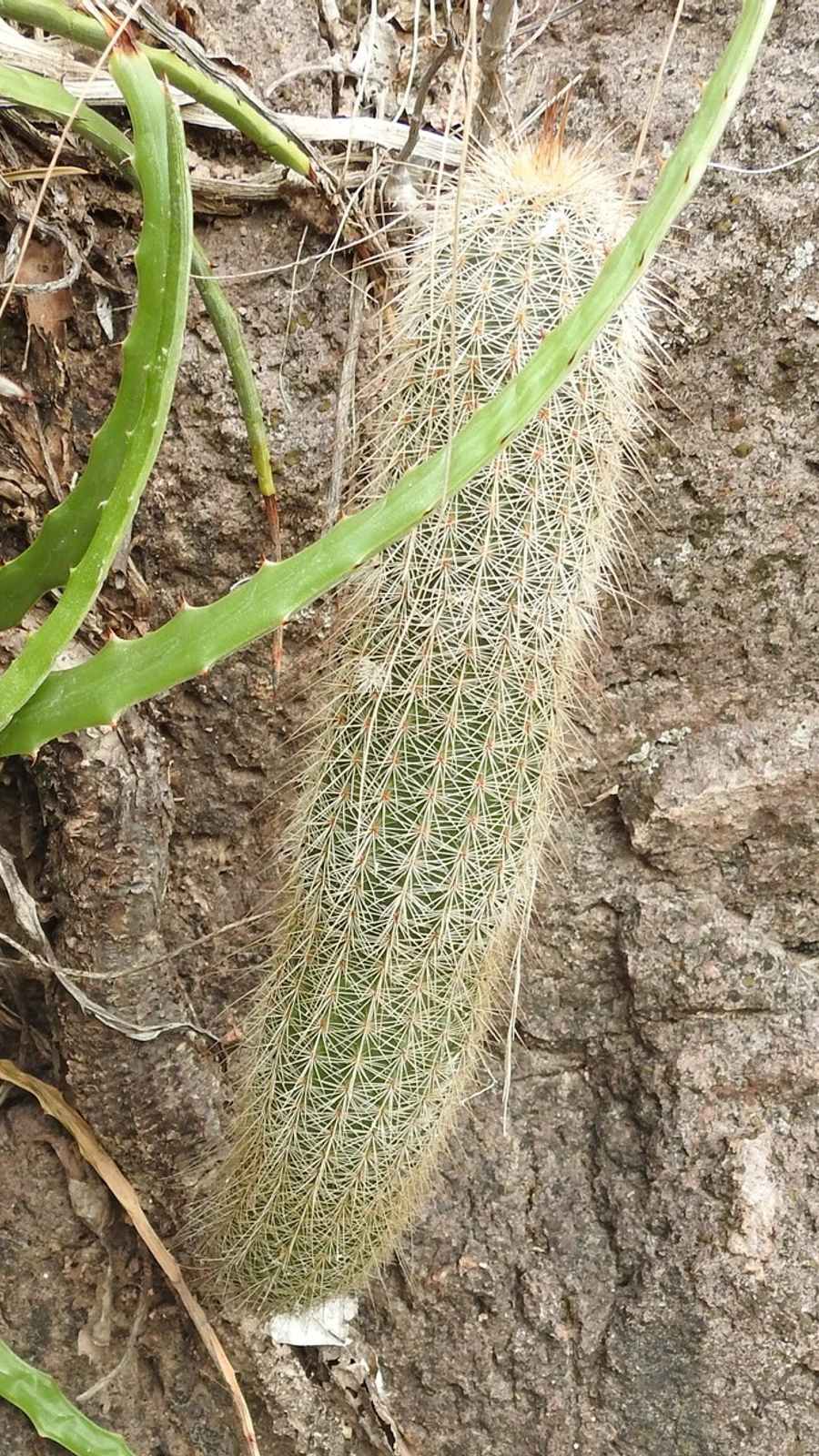
Echinocereus sciurus forms clumps of up to 100 cylindrical, light green stems, each reaching 10-20 cm in height and 4-6 cm in diameter. Stems possess 12-17 low, vertical ribs covered in dense, needle-like, yellowish-brown spines. In late spring, it produces large, funnel-shaped, vibrant pink to magenta flowers measuring up to 9 cm across, featuring the distinctive green stigma lobes characteristic of the genus.
In cultivation, it demands maximum sunlight and highly porous, mineral-based soil. Watering should follow the 'soak and dry' method during the active summer growth period and must be withheld entirely in winter. It prefers a dry, cool winter dormancy to trigger spring blooming.
The most prevalent errors include keeping the plant in low-light indoor areas and overwatering during the cooler months, which rapidly causes root rot and etiolation 1.
Requires full sun or very bright direct light to maintain its compact growth and spine density.
Strictly water only after the soil has dried out completely. Keep completely dry in winter.
Use a highly mineralized substrate with plenty of pumice, perlite, and coarse sand for rapid drainage.
Non-toxic to pets, but the fine, dense spines can cause physical injury. Handle with care.
Moderately easy for growers who can respect dry winter conditions and provide adequate sunlight.
Endemic to the southern portion of the Baja California peninsula in Mexico, where it populates coastal gravelly plains and low rocky hills in arid conditions.
