
Light
Direct Sun
Requires at least 6 hours of direct sunlight daily; a south-facing windowsill is perfect.
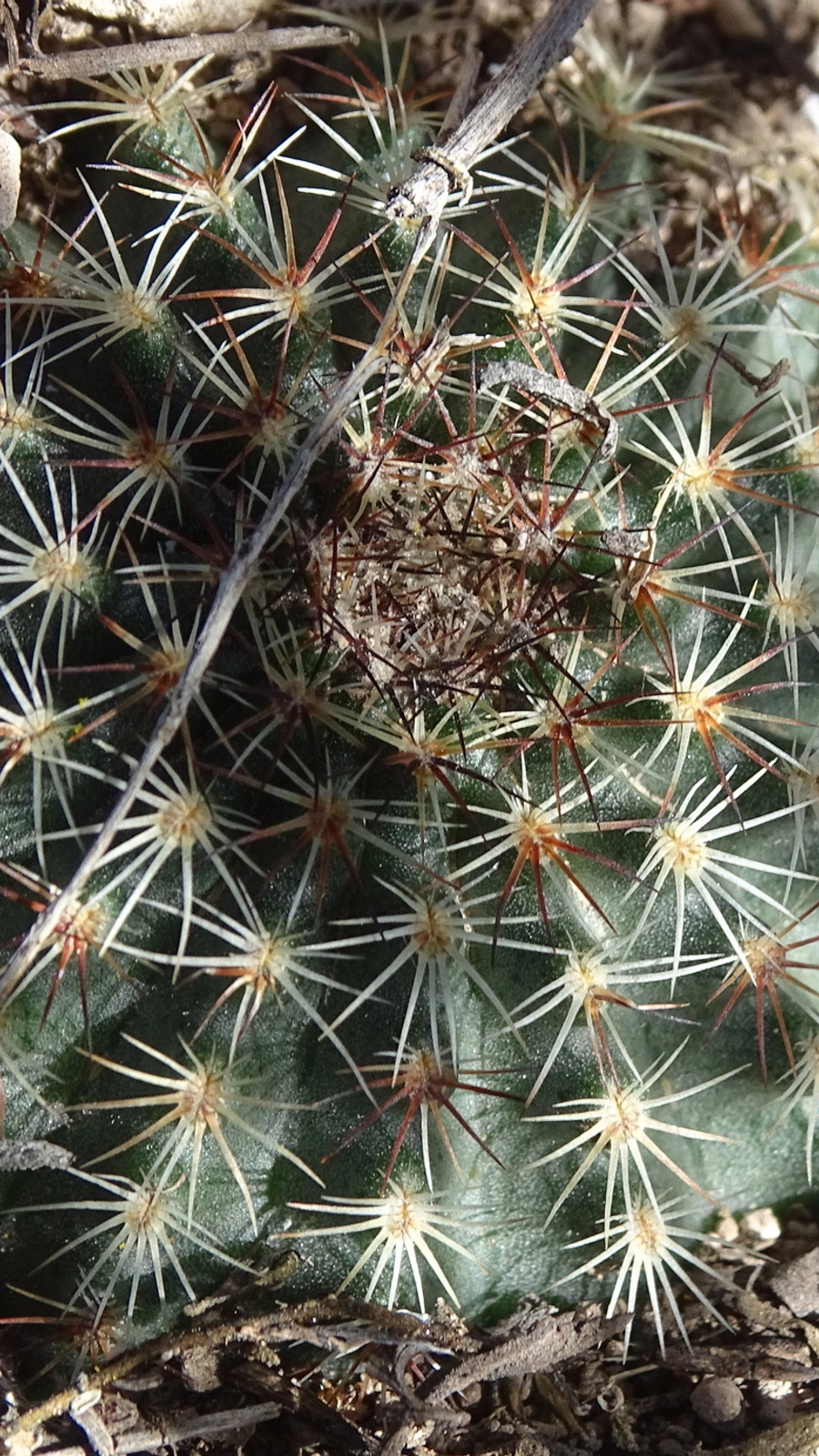 Reference image
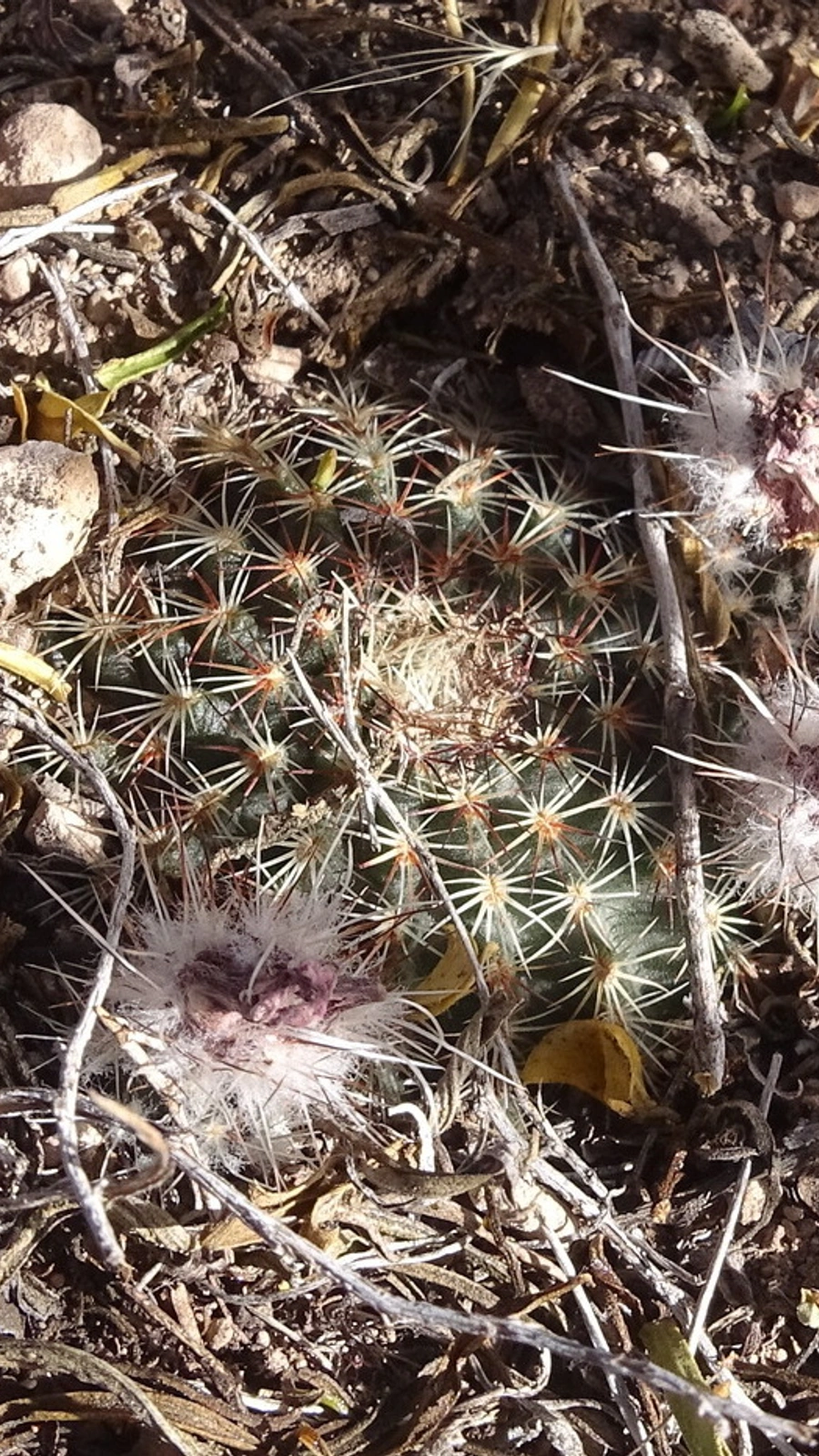 Reference image
Sharp's Hedgehog Cactus
Echinocereus sharpii is a miniature, highly decorative globose to cylindrical cactus belonging to the family Cactaceae 1. Celebrated among succulent enthusiasts, this species has developed remarkable adaptations to withstand extreme arid conditions.
Classified under the diverse genus Echinocereus, this species shares close morphological affinities with the Echinocereus parkeri complex 1. The specific epithet "sharpii" honors the individual who contributed to its discovery or study in botanical science.
This species is endemic to the arid mountainous regions of northern Mexico, specifically within the states of Nuevo León and Coahuila 2. It populates limestone rocky slopes, semi-desert shrublands, and screes, thriving in mineral-rich, alkaline soils 2.
The stems are solitary or forming small clumps, olive-green to dark green, with well-defined ribs. The spines are sharp, needle-like, and range from grayish to brownish. During late spring, it produces large, funnel-form flowers in shades of vibrant pink to magenta, contrasting beautifully with its spiny body 1.
In cultivation, it requires maximum sunlight exposure to maintain its compact growth form and dense spination. Watering should be deep but infrequent, allowing the substrate to dry out completely. A cold, dry winter dormancy is crucial to stimulate abundant flowering in spring 2.
Overwatering and poor drainage are the primary causes of failure, leading to rapid root rot. Keeping the soil wet during winter is particularly fatal. Insufficient light exposure results in weak, stretched stems (etiolation) and pale color.
Requires at least 6 hours of direct sunlight daily; a south-facing windowsill is perfect.
Allow the potting mix to dry completely before watering. Suspend watering almost entirely in winter.
Highly mineral substrate with pumice, lava rock, and coarse sand. Prefers slightly alkaline conditions.
The spines are sharp and can easily puncture skin. Handle with thick leather gloves or tongs.
Moderately demanding due to its strict watering and light requirements; ideal for experienced growers.
Native to the high-elevation, semi-arid limestone hills and desert scrub environments of Nuevo León and Coahuila in northern Mexico.
