
Light
Bright Indirect Light
Thrives in bright, filtered sunlight or morning sun; protect from scorching afternoon summer sun.
 Reference image
 Reference image
Stoloniferous Hedgehog Cactus
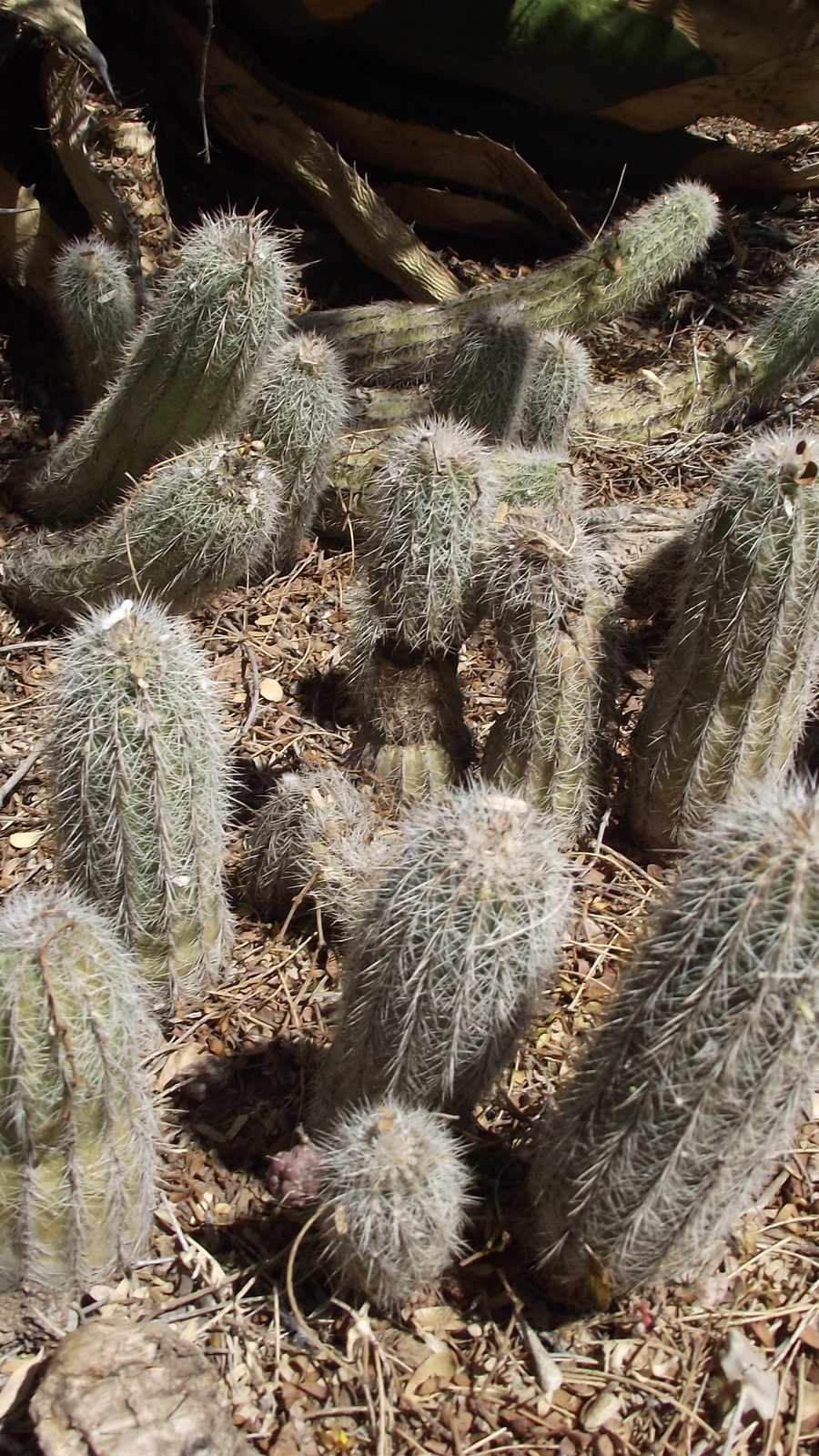
Echinocereus stoloniferus is a distinctive member of the Cactaceae family, renowned for its unusual habit of forming clumps via underground runners or stolons 1. This growth pattern is relatively rare among cacti, making it highly sought after by succulent enthusiasts and collectors. It is well-adapted to survive in arid environments and dry shrublands.
The genus name Echinocereus is derived from the Greek 'echinos' (hedgehog or sea urchin) and the Latin 'cereus' (wax candle). The specific epithet stoloniferus refers directly to its ability to produce stolons, allowing the plant to spread vegetatively over time 2.
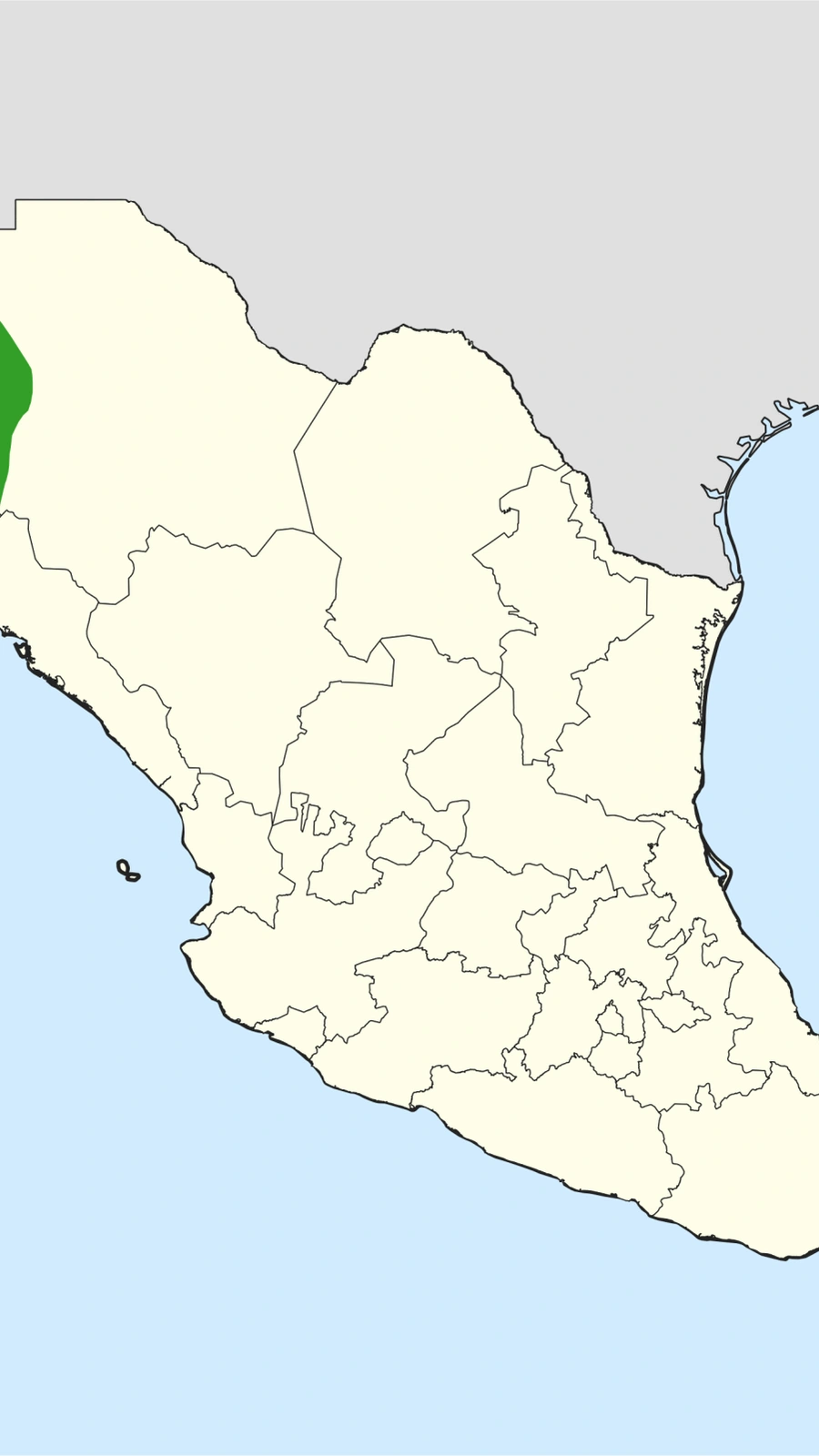
This species is endemic to northwestern and western Mexico, primarily found in the Sierra Madre Occidental region across Sonora, Chihuahua, and Sinaloa 3. It typically grows on rocky volcanic slopes, in canyons, and at the edges of oak-pine woodlands where it seeks partial shade under rocks or shrubs.
The stems are cylindrical, pale to dark green, reaching up to 10-15 cm in height. They branch from the base and via underground stolons to form tight cushions. Areoles bear sharp, needle-like spines that range from yellow to grayish-brown. During late spring to early summer, it produces spectacular, funnel-shaped yellow flowers with characteristic green stigma lobes in the center 2.
In cultivation, Echinocereus stoloniferus is a hardy and rewarding plant. It thrives in bright, indirect light or filtered morning sun. A gritty, mineral-based soil mix with superb drainage is mandatory. Water thoroughly during the active growing season but allow the medium to dry out completely. Keep cold and bone-dry during the winter dormancy.
Overwatering and heavy, organic soils are the primary causes of root rot and stolon decay 3. Insufficient light leads to etiolation (weak, stretched growth) and prevents the cactus from producing its vibrant yellow blooms.
Thrives in bright, filtered sunlight or morning sun; protect from scorching afternoon summer sun.
Let the soil dry out 100% between waterings. Suspend watering completely during the winter months.
Use a mineral-heavy substrate composed of pumice, coarse sand, and minimal organic matter.
Non-toxic, but armed with sharp spines. Keep out of reach of curious pets and young children.
An easy-care cactus provided you avoid overwatering and respect its dry winter dormancy period.
Native to the rocky volcanic slopes and canyon walls of the Sierra Madre Occidental range in northwestern Mexico, spanning states like Sonora and Chihuahua.
