
Light
Filtered Sun
Filtered bright light or partial morning sun is ideal to prevent stem sunburn.
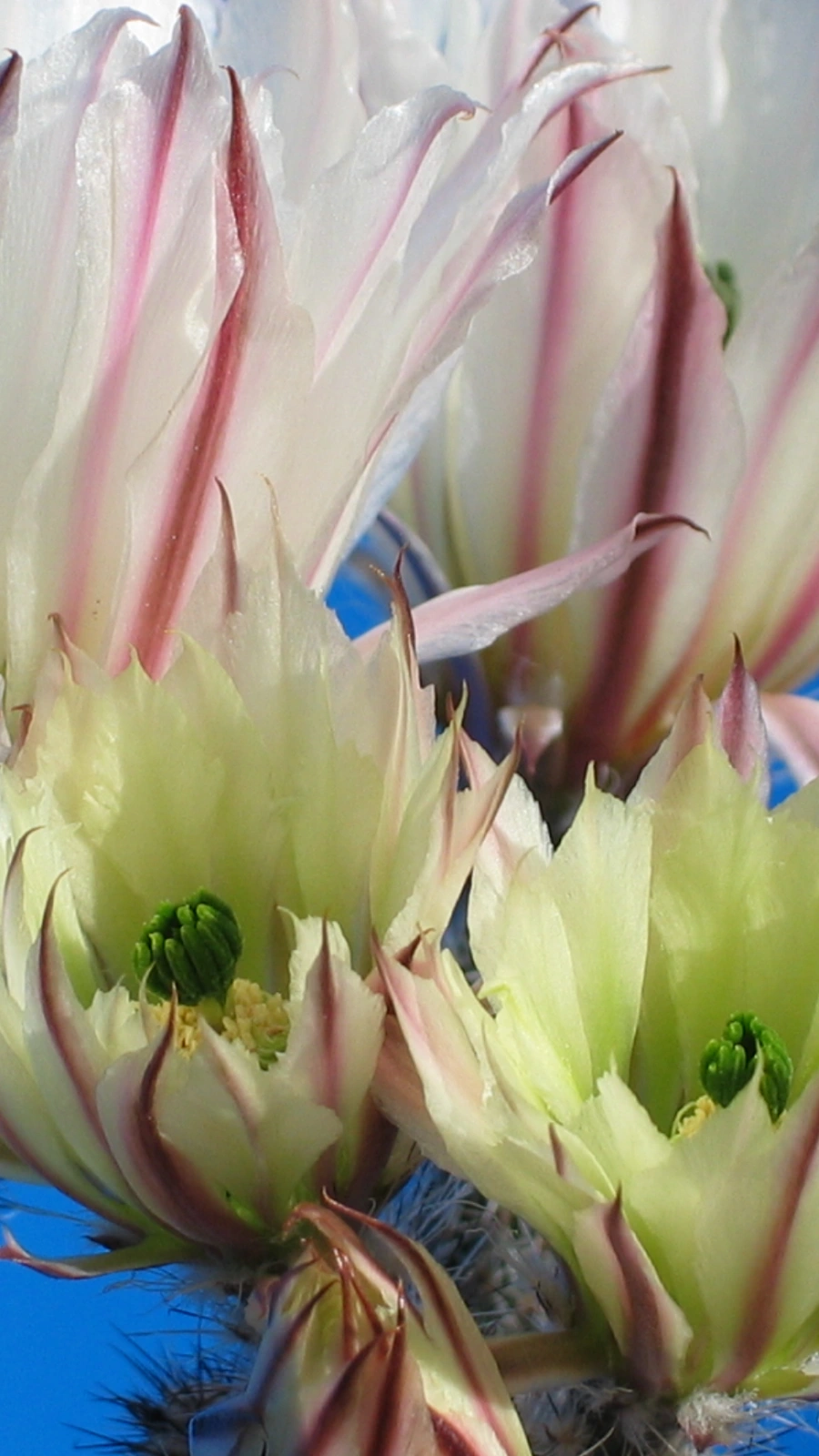 Reference image
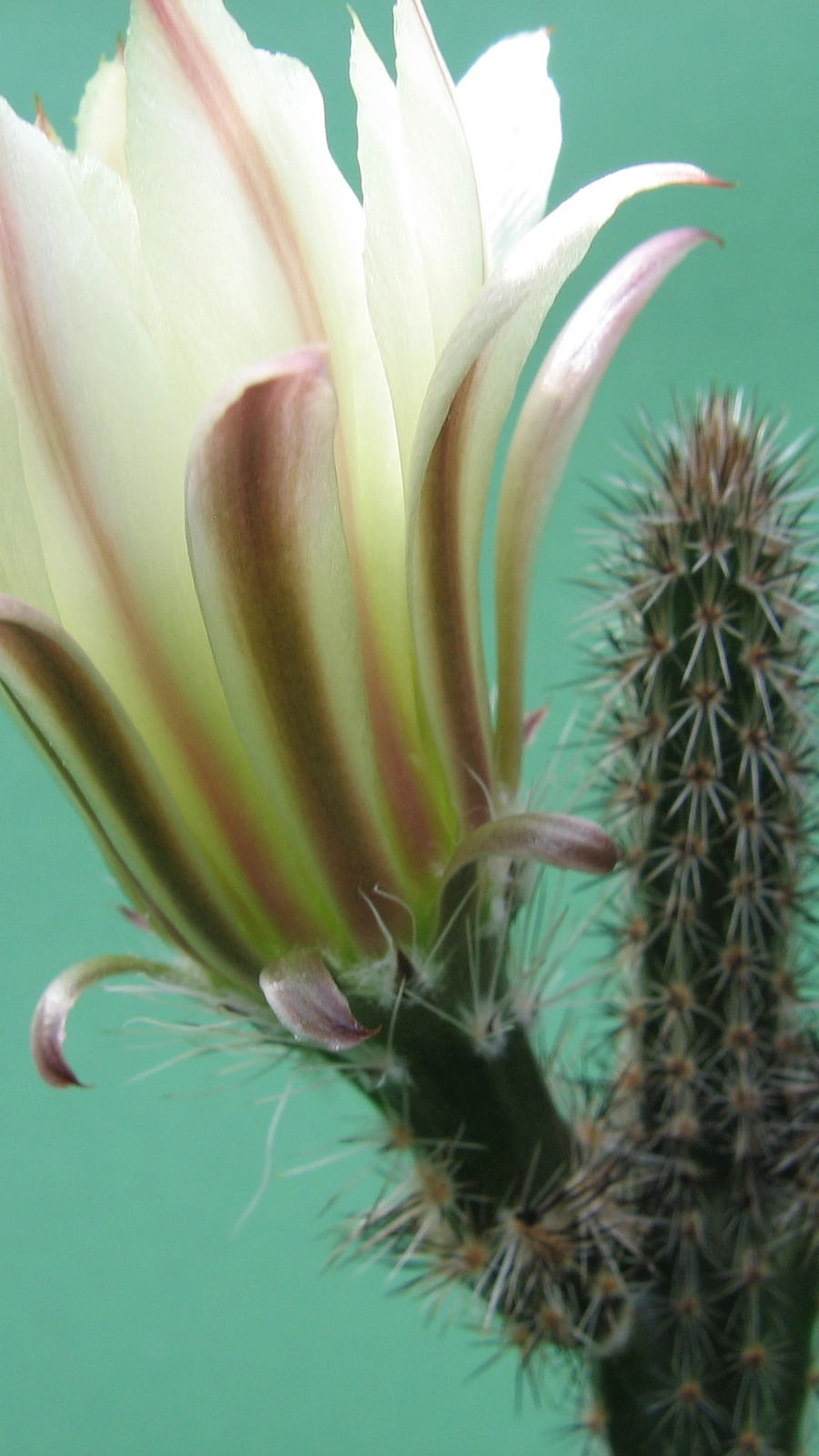 Reference image
Waldeis' Thin Cactus
Echinocereus waldeisii is an extraordinary, slender-stemmed perennial succulent subshrub belonging to the Cactaceae family. Unlike typical globose cacti, it is characterized by its inconspicuous, pencil-thin branches and large underground tuberous roots that store water and nutrients 1.
Originally described under the genus Wilcoxia as Wilcoxia waldeisii, subsequent phylogenetic and morphological assessments integrated it into Echinocereus 2. It is frequently associated with or treated as a subspecies of Echinocereus poselgeri.
This species is native to the arid and semi-arid regions of northern and central Mexico 1. In its natural habitat, it typically grows under the shelter of desert shrubs, which shield its delicate stems from harsh winds and scorching afternoon sun.
The stems are greyish-green, incredibly thin (around 1 cm in diameter), and tend to scramble through surrounding vegetation. In late spring, it produces magnificent, large, funnel-shaped flowers ranging from pink to light magenta. Below the ground lies a massive, turnip-like tuberous root system 2.
In cultivation, Echinocereus waldeisii demands a highly porous, mineral-rich substrate to prevent moisture retention around its sensitive tubers. It thrives in bright, filtered sunlight. Water moderately during the spring and summer active growth seasons, and keep completely dry and cool throughout the winter.
The most prevalent failure in cultivating this species is overwatering during dormancy and using heavy, organic soils. This rapidly leads to irreversible rot of the underground tubers. Insufficient lighting will also cause etiolation.
Filtered bright light or partial morning sun is ideal to prevent stem sunburn.
Always let the soil dry out 100% between waterings. Keep bone dry in winter.
Use a mix dominant in pumice, grit, and coarse sand with very little organic matter.
The spines are thin and easily penetrate skin; wear protective gloves. Non-toxic.
Moderate difficulty due to the precise watering balance required for tuberous roots.
Native to the north-central regions of Mexico, including Coahuila, San Luis Potosí, and Zacatecas, thriving under desert nurse plants in dry shrublands.
