
Light
Bright Indirect Light
Thrives in direct, bright sunlight. Insufficient light causes weak, stretched growth.
 Reference image
 Reference image
Webster's Hedgehog Cactus
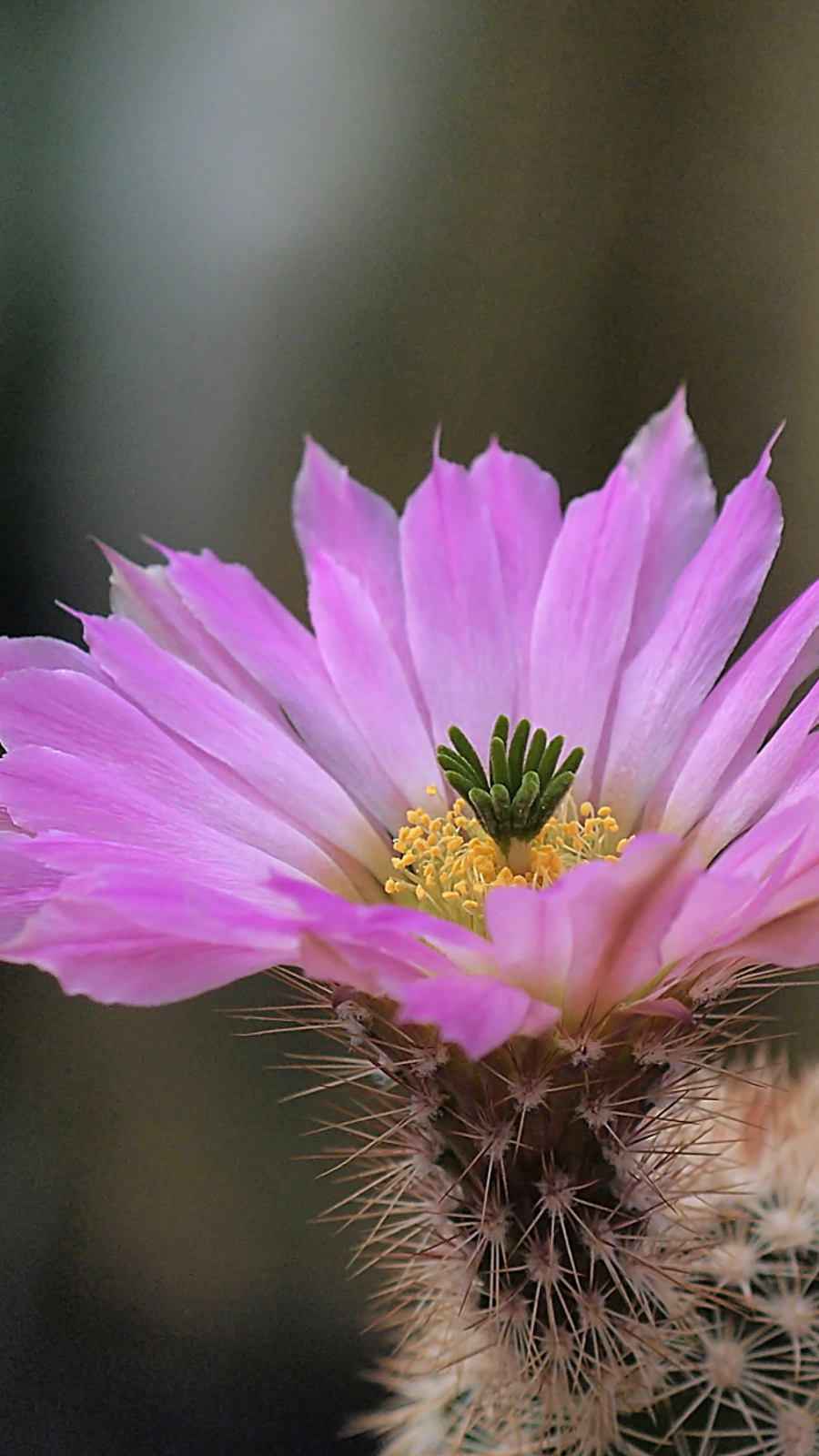
Echinocereus websterianus is a striking and highly sought-after cactus species within the Cactaceae family. Characterized by its beautiful dense golden-yellow spines and large, vivid pink flowers, this succulent subshrub forms attractive multi-stemmed clumps in its native habitat and is a prized specimen for collectors worldwide 1.
Belonging to the genus Echinocereus, this species exhibits the typical characteristics of the hedgehog cacti group. The genus name combines the Greek word 'echinos' (meaning hedgehog or sea urchin) with the Latin 'cereus' (wax candle), referencing the spiny, cylindrical stems. The specific epithet websterianus honors a notable figure in botanical exploration and taxonomy 2.
This species is narrow-endemic to San Esteban Island in the Gulf of California, Sonora, Mexico. It thrives in desert and dry shrubland biomes, growing primarily on steep rocky slopes and volcanic soils. The harsh island environment has adapted this species to survive extreme drought and intense sunlight 1.
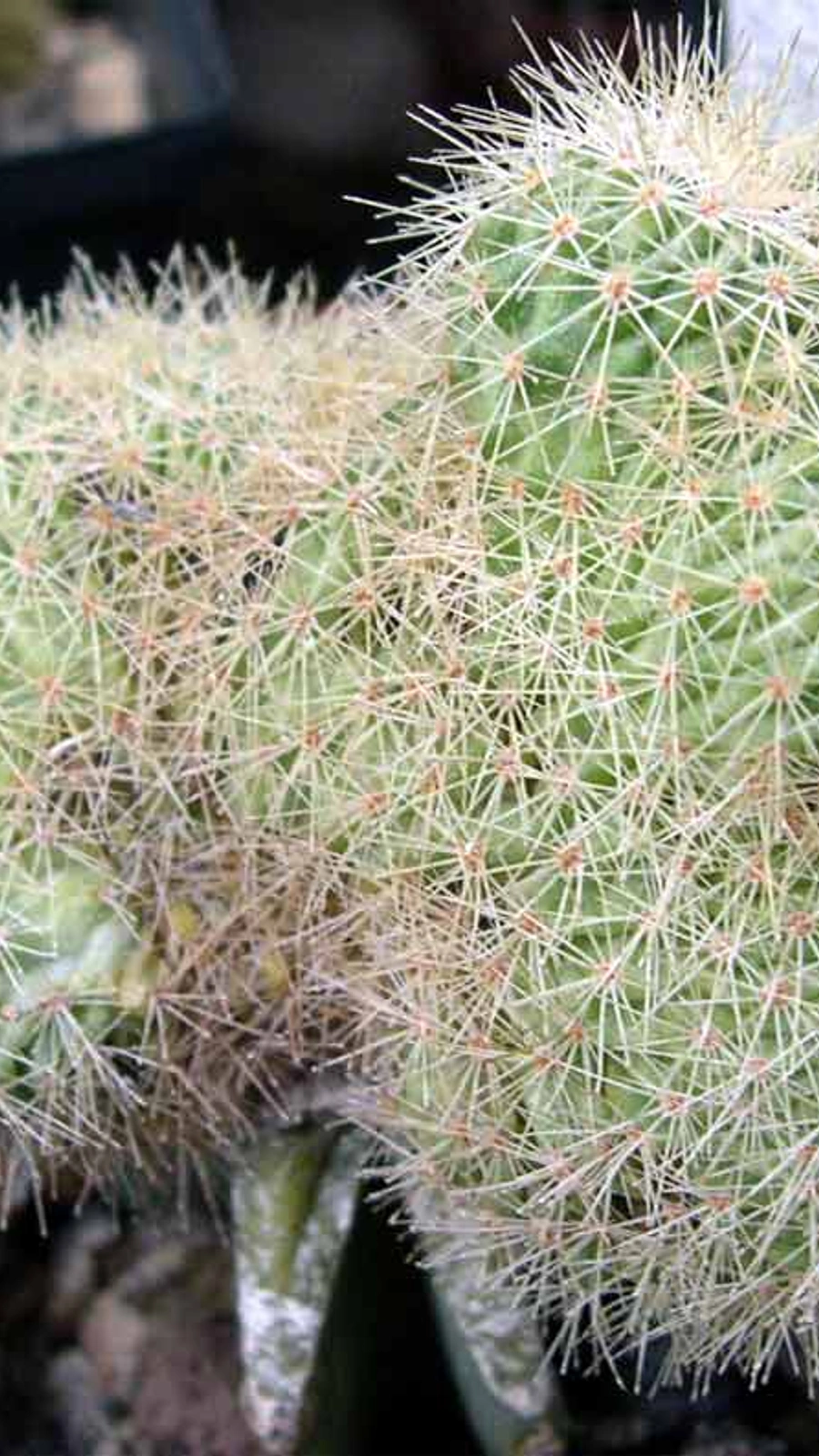
Echinocereus websterianus features cylindrical green stems that branch from the base to form dense groups. The stems are heavily guarded by bright golden-yellow radial and central spines that give the plant a glowing appearance under direct sunlight. In late spring, it produces spectacular, funnel-shaped flowers ranging in color from deep pink to magenta 2.
In cultivation, this cactus requires maximum light intensity to maintain its compact growth form and dense spination. Bright, direct sunlight is highly recommended. Watering should be thorough but infrequent during the growing season, allowing the soil to dry out completely. During winter, it requires a dry, cool rest period to stimulate spring flowering.
The most prevalent issue is root rot caused by overwatering or compacted soil that retains moisture. Placing the cactus in low-light environments leads to etiolation (weak, stretched growth) and a loss of its characteristic golden spine density.
Thrives in direct, bright sunlight. Insufficient light causes weak, stretched growth.
Water only when the substrate is fully dry. Cease watering almost completely in winter.
Highly porous, mineral-based soil mix containing pumice, gravel, and sand.
The spines are very sharp and numerous; handle with care and keep away from pets.
Moderate. Easy to maintain if light is abundant and overwatering is strictly avoided.
Endemic to the rugged San Esteban Island in the Gulf of California, Mexico. It grows naturally in dry desert shrublands on rocky, volcanic terrain under intense sun exposure.
