
Light
Bright Indirect Light
Requires bright, filtered sunlight. Morning sun is ideal; protect from scorching midday summer heat.
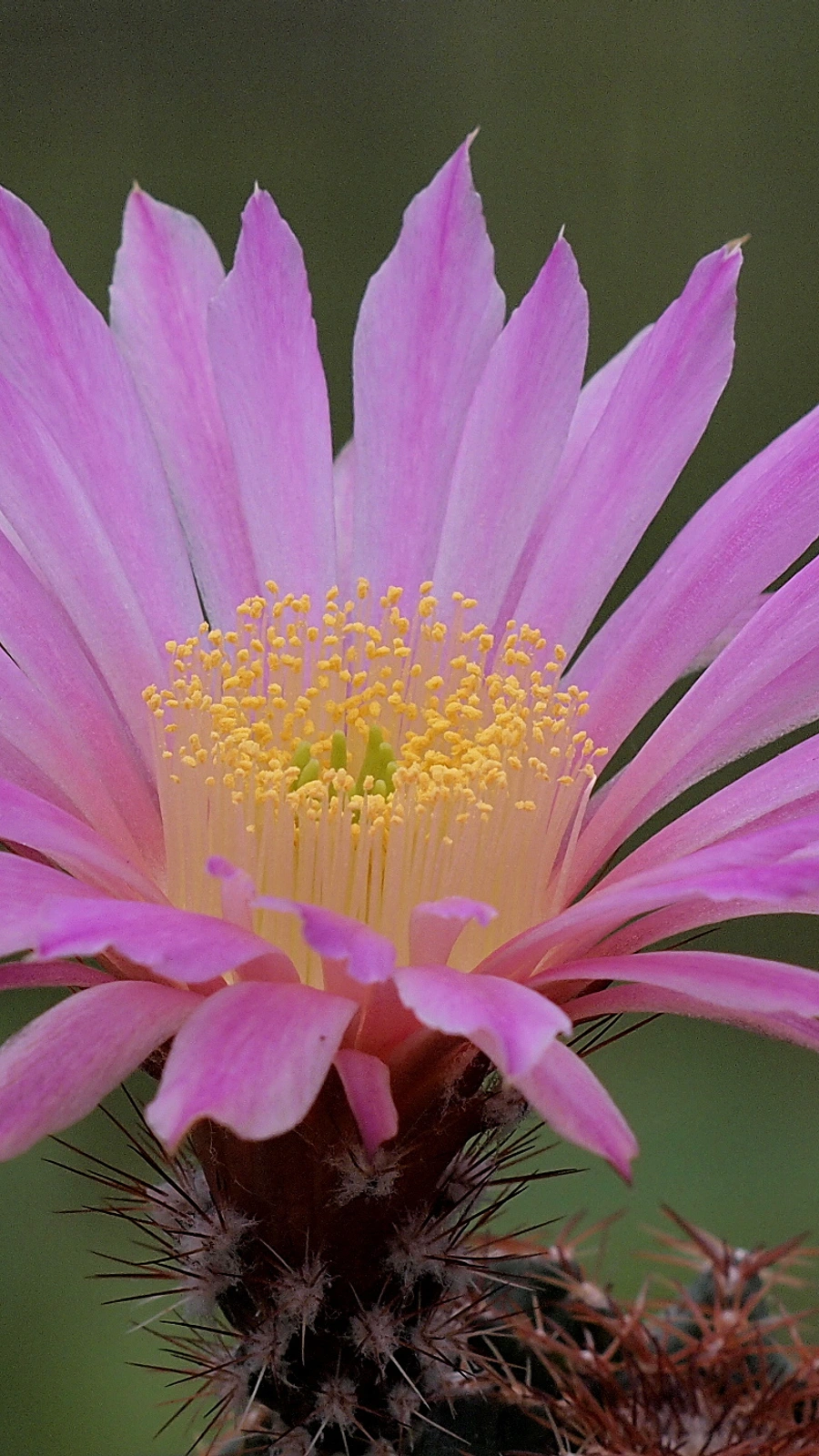 Reference image
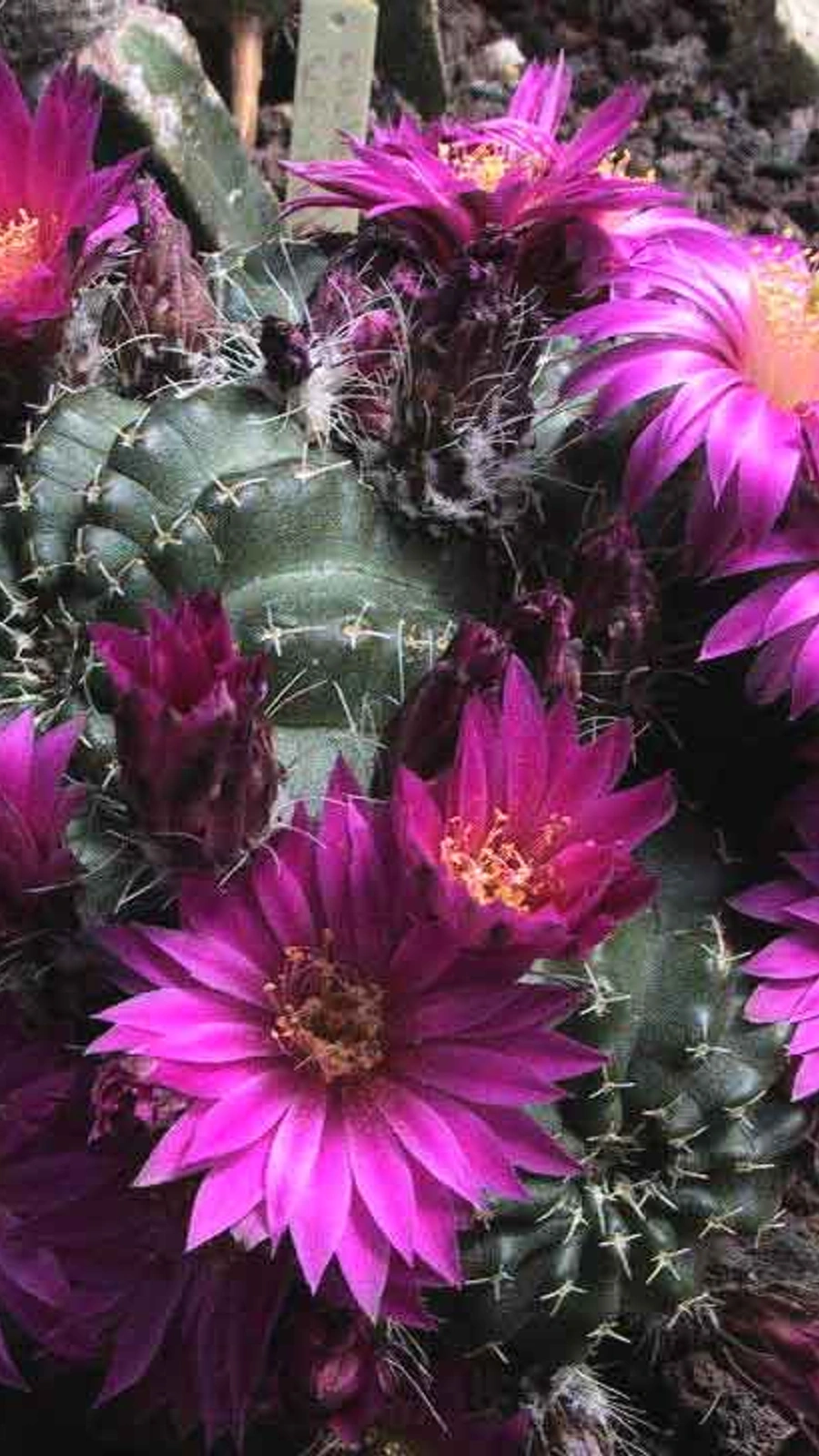 Reference image
Weinberg's Hedgehog Cactus
Echinocereus weinbergii is an exquisite, low-growing cactus species within the family Cactaceae. Known for its flattened-globose shape and tightly appressed spines, this slow-growing succulent subshrub is highly valued by plant enthusiasts but requires careful watering and specific care conditions 1.
Originally described under the genus Echinocereus, this species is sometimes taxonomically treated as a variant of Echinocereus pulchellus (specifically E. pulchellus var. weinbergii). However, modern botanical literature often distinguishes it due to its unique depressed stem morphology and specific habitat preferences 2.
Native to the arid and semi-arid regions of central and northern Mexico, including Zacatecas, San Luis Potosí, and Durango. It thrives in high-altitude desert grasslands and dry shrublands, typically growing in calcareous, mineral-rich soils among grasses 1.
The stem is light green to grayish-green, noticeably flattened or disk-shaped, sitting low in the substrate. It features prominent ribs with small aeroles bearing short, pectinate (comb-like) spines that lay flat against the stem. In late spring, it produces large, striking pink to magenta funnelform flowers from the crown 2.
This species demands bright, filtered sunlight to preserve its compact form. While it tolerates morning sun, harsh afternoon rays can cause scorching. It requires an open, mineral-heavy substrate with minimal organic matter and must be kept completely dry during winter dormancy to prevent rot 1.
The most frequent error is overwatering, especially during the cold winter months, which quickly triggers root rot. Insufficient light leads to etiolation, causing the naturally flat stem to stretch and weaken. Using heavy, clay-rich soil is also detrimental.
Requires bright, filtered sunlight. Morning sun is ideal; protect from scorching midday summer heat.
Follow a strict 'soak and dry' method. Keep entirely dry and cool throughout the winter dormancy.
Use a grit-heavy mix composed of pumice, coarse sand, and limestone gravel, with very low organic content.
Spines are short and relatively flat, but still require careful handling. Non-toxic to cats and dogs.
Moderate care level; success relies heavily on strict watering control and cold-dry winter resting.
Native to high-altitude grassy semi-deserts and limestone slopes in central and northern Mexico.
