
Light
Direct Sun
Requires at least 6 hours of direct sunlight daily.
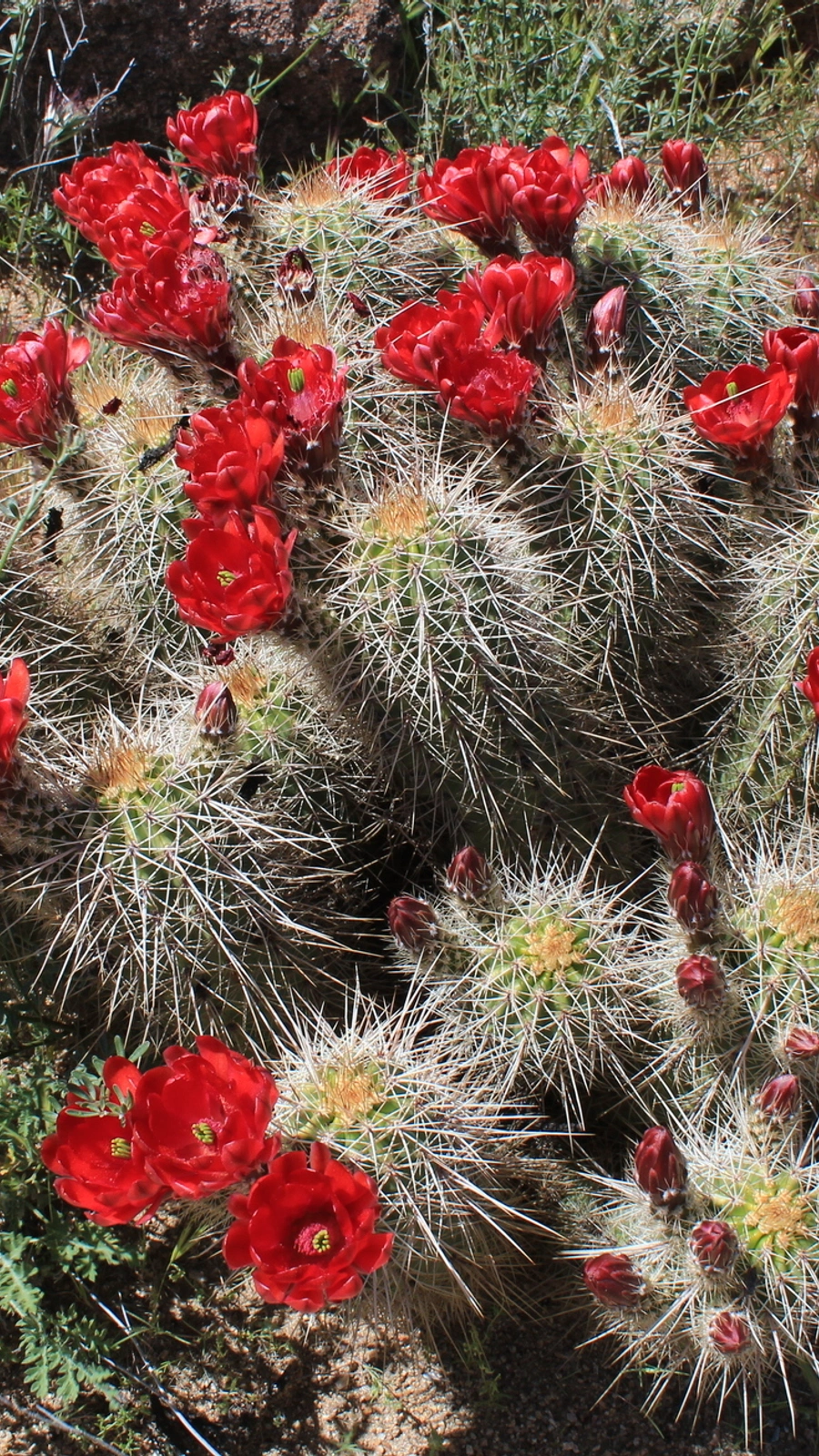 Reference image
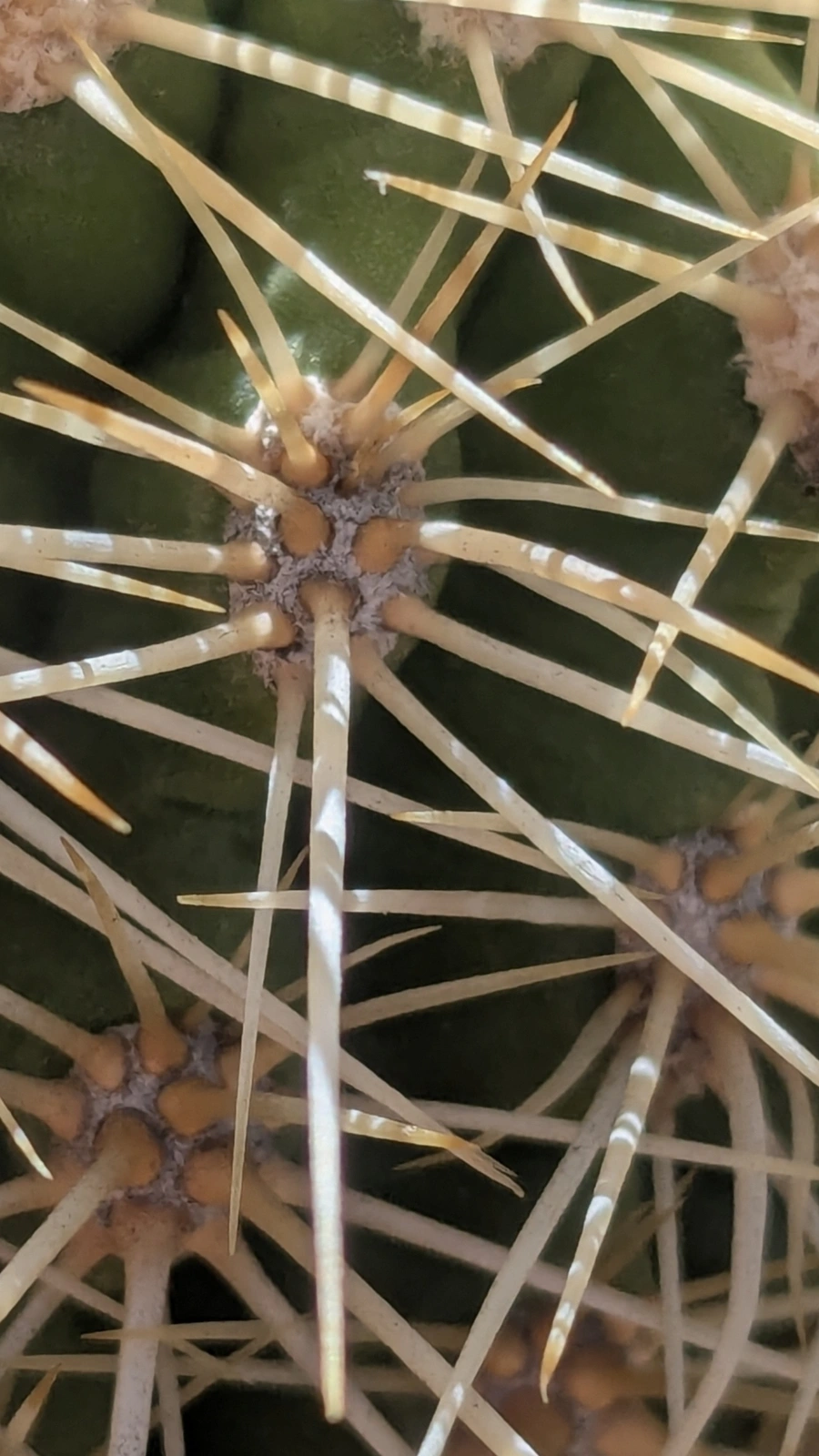 Reference image
Yavapai Hedgehog Cactus
Echinocereus yavapaiensis is a perennial succulent subshrub belonging to the hedgehog cactus genus (Echinocereus) within the family Cactaceae. Known for its remarkable cold and drought tolerance, it is a resilient species that thrives in rocky crevice habitats.
Relatively recently recognized as a distinct species, it is named after Yavapai County in Arizona 1. While closely allied with the Echinocereus triglochidiatus complex, genetic and cytological studies reveal it is an octoploid (2n=88) species, separating it from its diploid and tetraploid relatives 2.
This species is native to the Southwestern United States, specifically endemic to central Arizona 1. It inhabits rocky slopes, canyon walls, granite formations, and semi-arid desert shrublands at elevations ranging from 1000 to 2000 meters.
Echinocereus yavapaiensis forms dense, multi-stemmed mounds arising from the base. The stems are cylindrical, light green to dark green, with pronounced ribs. Areoles bear stiff, needle-like, grayish-brown spines. In late spring, it produces stunning funnelform flowers that are bright red or orange-red, uniquely adapted for hummingbird pollination 2.
In cultivation, it requires an extremely porous, mineral-dominated substrate composed of pumice, lava rock, and coarse sand. Full sun is imperative for robust spination and successful flower bud initiation. If kept completely dry during winter dormancy, it can easily withstand freezing temperatures down to -10°C.
Overwatering and poor soil drainage are the most frequent causes of root rot. Inadequate light exposure leads to etiolation, weak spine development, and a lack of blooms.
Requires at least 6 hours of direct sunlight daily.
Water only when the substrate is fully dry; keep dry in winter.
Mineral-heavy, highly porous cactus mix with excellent drainage.
Spines are sharp and can cause physical injury, though non-toxic to pets.
Extremely easy to care for when provided with adequate sunlight and minimal water.
Naturally distributed across mountainous regions of central Arizona, where it clings to volcanic rocky outcrops, ledges, and gravelly canyon soils.
