
Light
Direct Sun
Requires full direct sun; shade causes leggy growth and prevents blooming.
 Reference image
 Reference image
Zapaliname Hedgehog Cactus
Echinocereus zapalinamensis is a rare and highly specialized succulent subshrub belonging to the Cactaceae family. Renowned among succulent enthusiasts for its dense spine coverage and vibrant blossoms, this species is perfectly adapted to survive in harsh, arid mountainous terrains 1.
Classified under the genus Echinocereus, this taxon was named after the Sierra de Zapalinamé in Coahuila, Mexico, where it was originally discovered. The specific epithet "zapalinamensis" directly honors this unique geographic type locality 2. Ongoing phylogenetic studies continue to refine its position within the genus.
Native to northeastern Mexico, particularly the high-altitude semi-arid zones of Coahuila. It thrives in seasonally dry tropical biomes, growing predominantly on steep limestone slopes, gravelly cliffs, and rocky crevices 1. These extreme habitats provide excellent natural drainage and protect the roots from standing water.
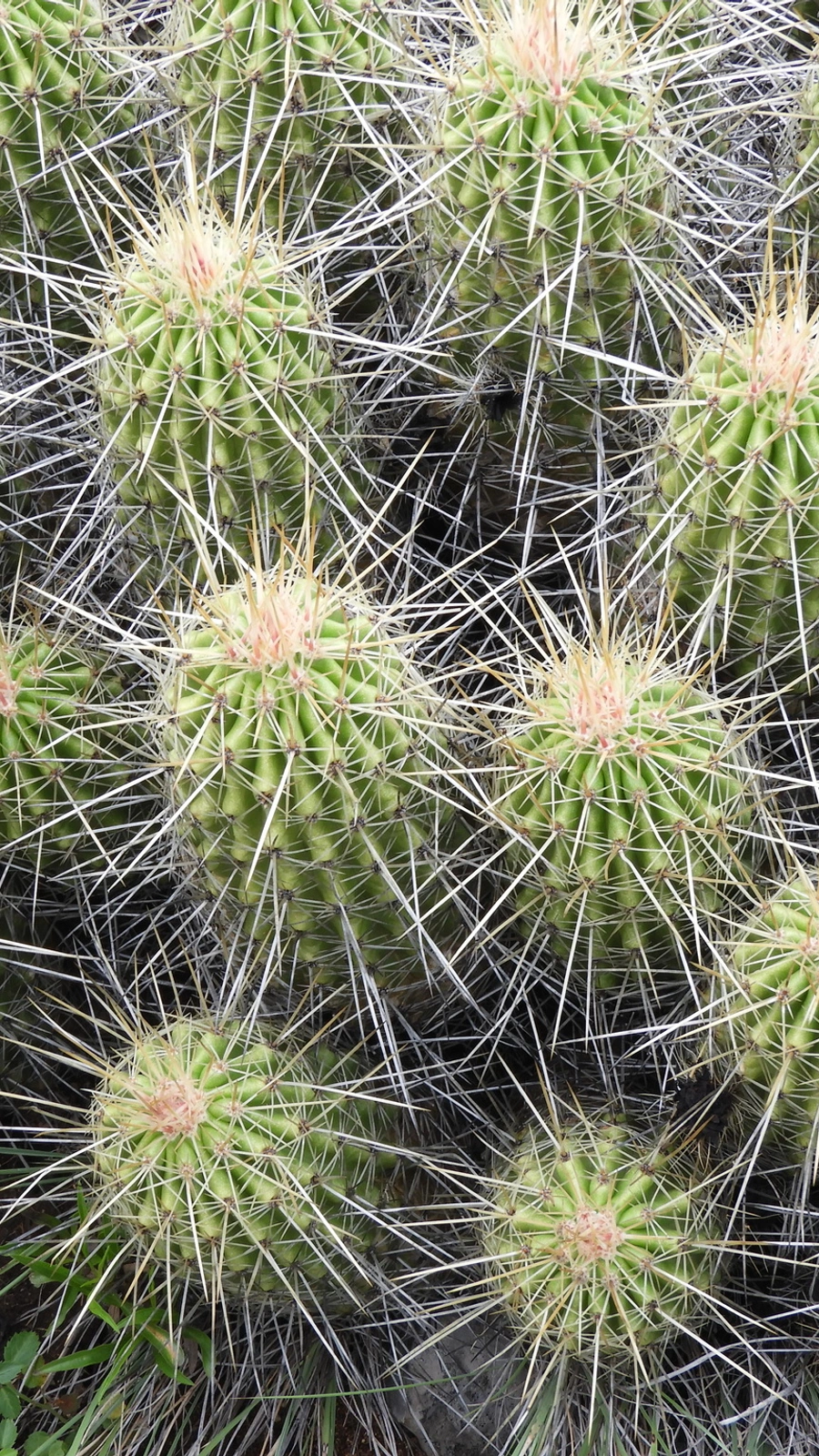
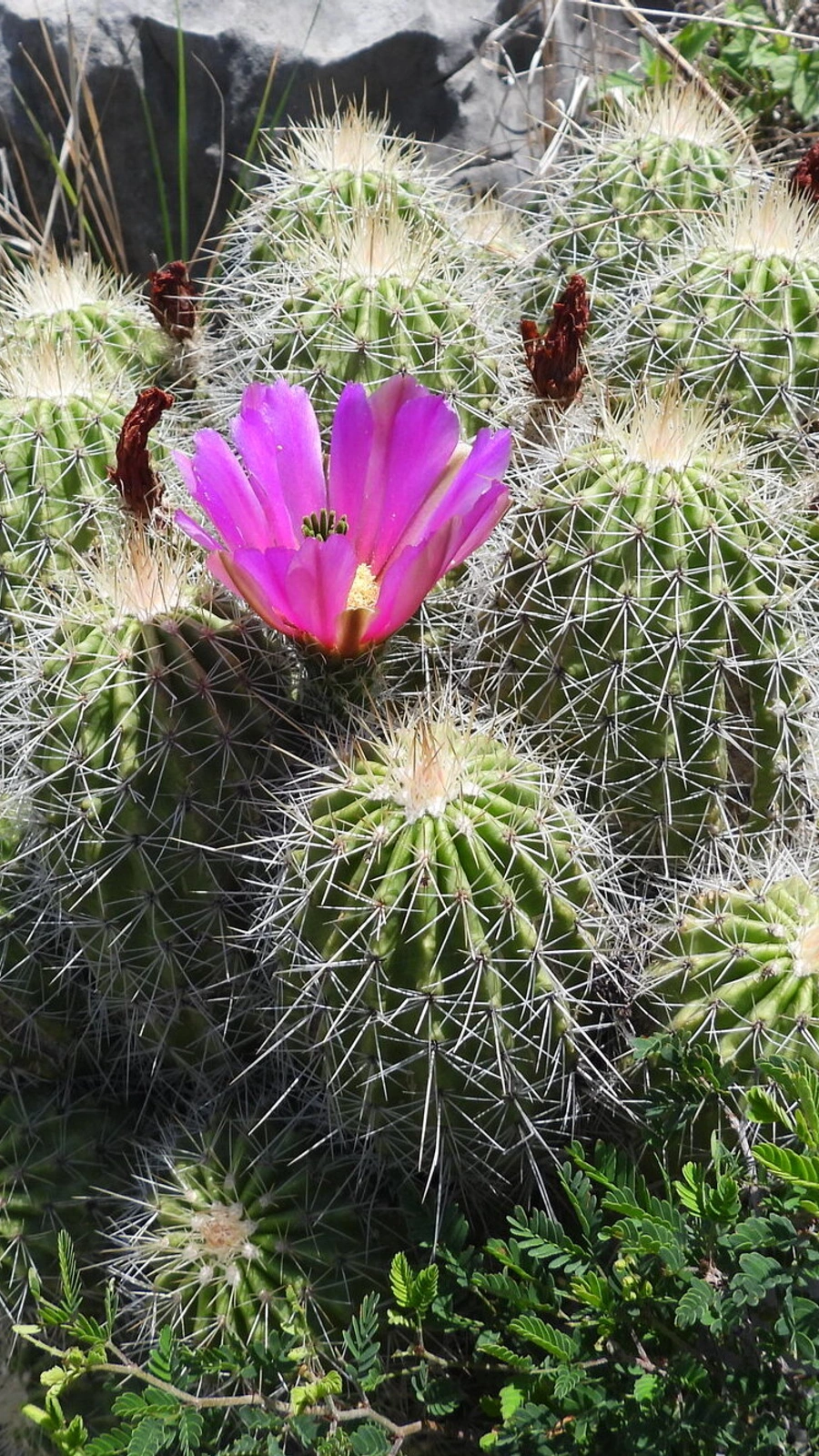
This species develops a subshrubby habit, branching mainly from the base to form small clumps of cylindrical stems. The stems feature prominent ribs lined with fuzzy aeroles. From these aeroles, stiff, sharp, white-to-greyish spines radiate, protecting the plant from solar radiation. In late spring, large, funnel-shaped, magenta-to-pink flowers erupt near the stem tips 2.
In cultivation, it requires maximum direct sunlight and exceptional air circulation. Watering should follow the 'soak and dry' method, allowing the substrate to dry out completely. A cold, dry winter dormancy is crucial for maintaining plant health and promoting heavy spring blooms 1.
The most frequent issue is root rot caused by organic-rich soils or overwatering during cold months. Lack of bright light leads to etiolation, stretching the stems and weakening the overall structure.
Requires full direct sun; shade causes leggy growth and prevents blooming.
Allow soil to dry out 100% between waterings. Keep dry in winter.
Highly mineral substrate containing pumice, coarse sand, and minimal organic matter.
Sharp, dense spines can cause physical injury to curious pets and children.
Moderate; highly rewarding if overwatering is avoided and strong light is provided.
Native to the mountain ranges of Coahuila in northern Mexico, where it grows on high-altitude, rocky, calcareous limestone formations.
