
Light
Bright Indirect Light
Thrives in direct sunlight or very bright indirect light; ideal for southern windows.
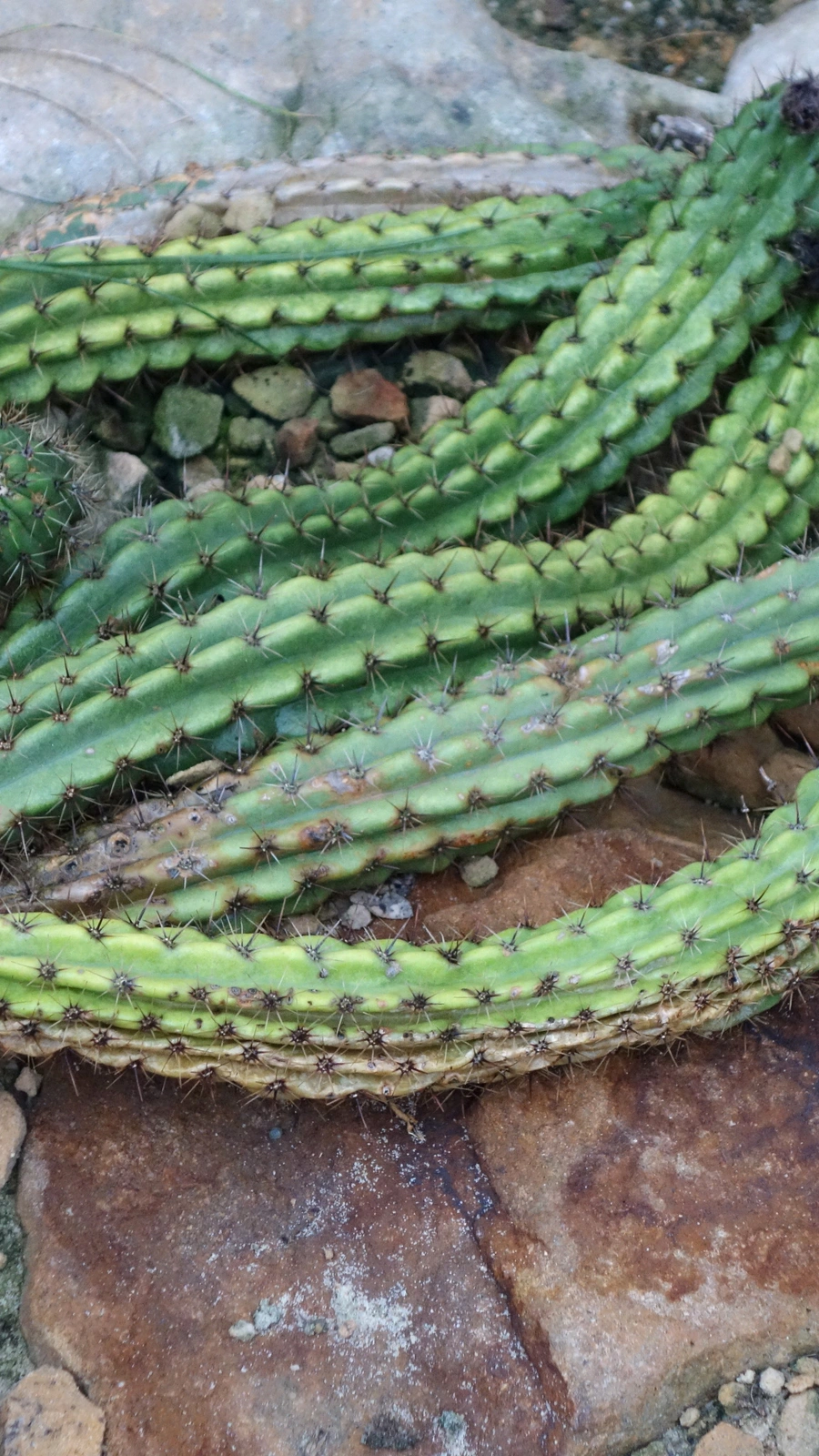 Reference image
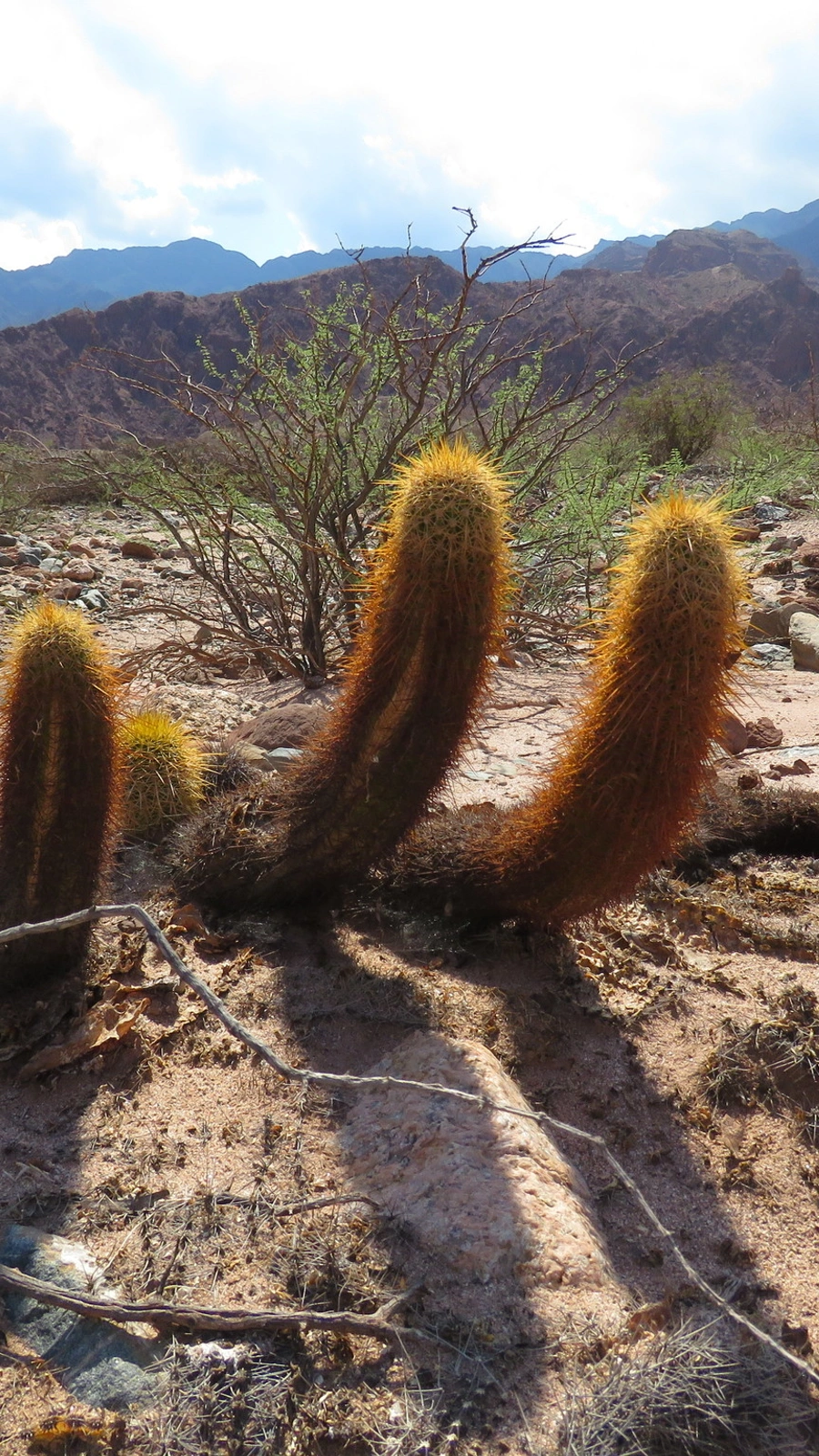 Reference image
Angeles Echinopsis
Echinopsis angelesiae (also classified under Trichocereus angelesiae) is a perennial, succulent subshrub belonging to the Cactaceae family 1. It is characterized by its semi-erect columnar stems, prominent spines, and beautiful nocturnal-opening flowers.
This species has been subject to taxonomic shifts between Echinopsis and Trichocereus genera, a common occurrence within South American columnar cacti. The specific epithet honors regional botanical contributions 2.
Native to southern South America, specifically northwestern Argentina (including Salta, Jujuy, and Tucuman), it thrives in arid shrublands, desert biomes, and rocky Andean foothills 1. It prefers well-drained, gravelly soils on sun-exposed slopes.
It forms clumped groups with light green cylindrical stems. The ribs are prominent, lined with woolly areoles bearing sharp, yellowish-grey spines. During late spring to summer, it produces large, showy, funnel-shaped white to cream flowers that attract nocturnal pollinators.
In cultivation, Echinopsis angelesiae requires bright, direct sunlight and excellent drainage. Water thoroughly only when the soil has dried out completely. A cool, dry winter rest period is crucial to stimulate flowering in the subsequent growing season 2.
Overwatering is the primary cause of failure, leading to root rot. Using heavy garden soil without sufficient grit, or keeping the plant in a warm, dark room during winter, will prevent growth and blooming.
Thrives in direct sunlight or very bright indirect light; ideal for southern windows.
Strictly follow the soak-and-dry method. Keep completely dry in winter.
Requires a gritty mix with high mineral content (pumice, perlit, and sand).
Non-toxic to pets, but the sharp spines can cause physical injury.
Very easy if you avoid overwatering and provide a cold winter rest.
Native to the dry, rocky mountain slopes of northwestern Argentina, where it grows in mineral-rich, highly porous soils under intense sunlight.
