
Light
Bright Indirect Light
Provide bright, indirect or filtered sunlight; avoid hot, direct sun exposure.
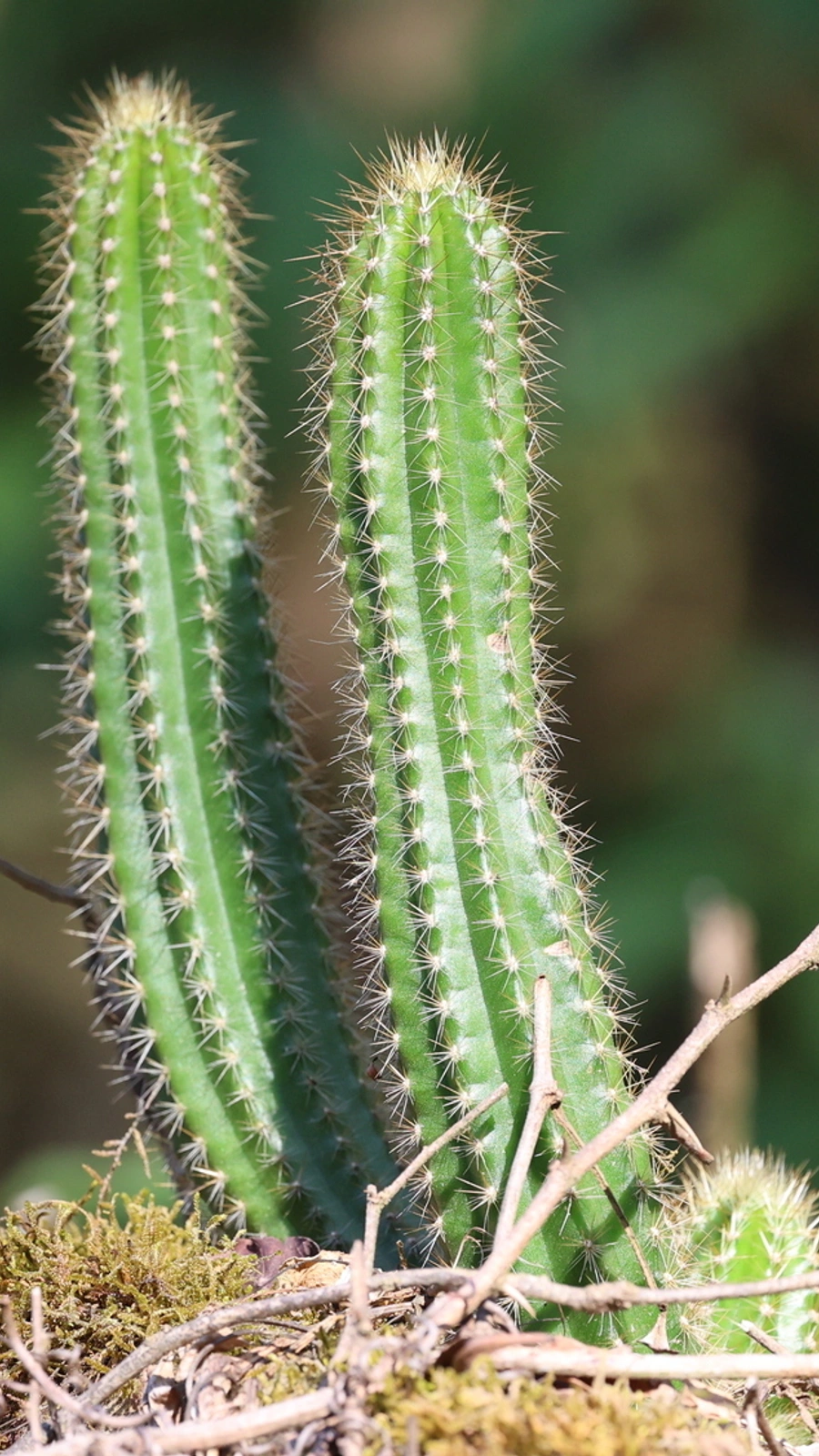 Reference image
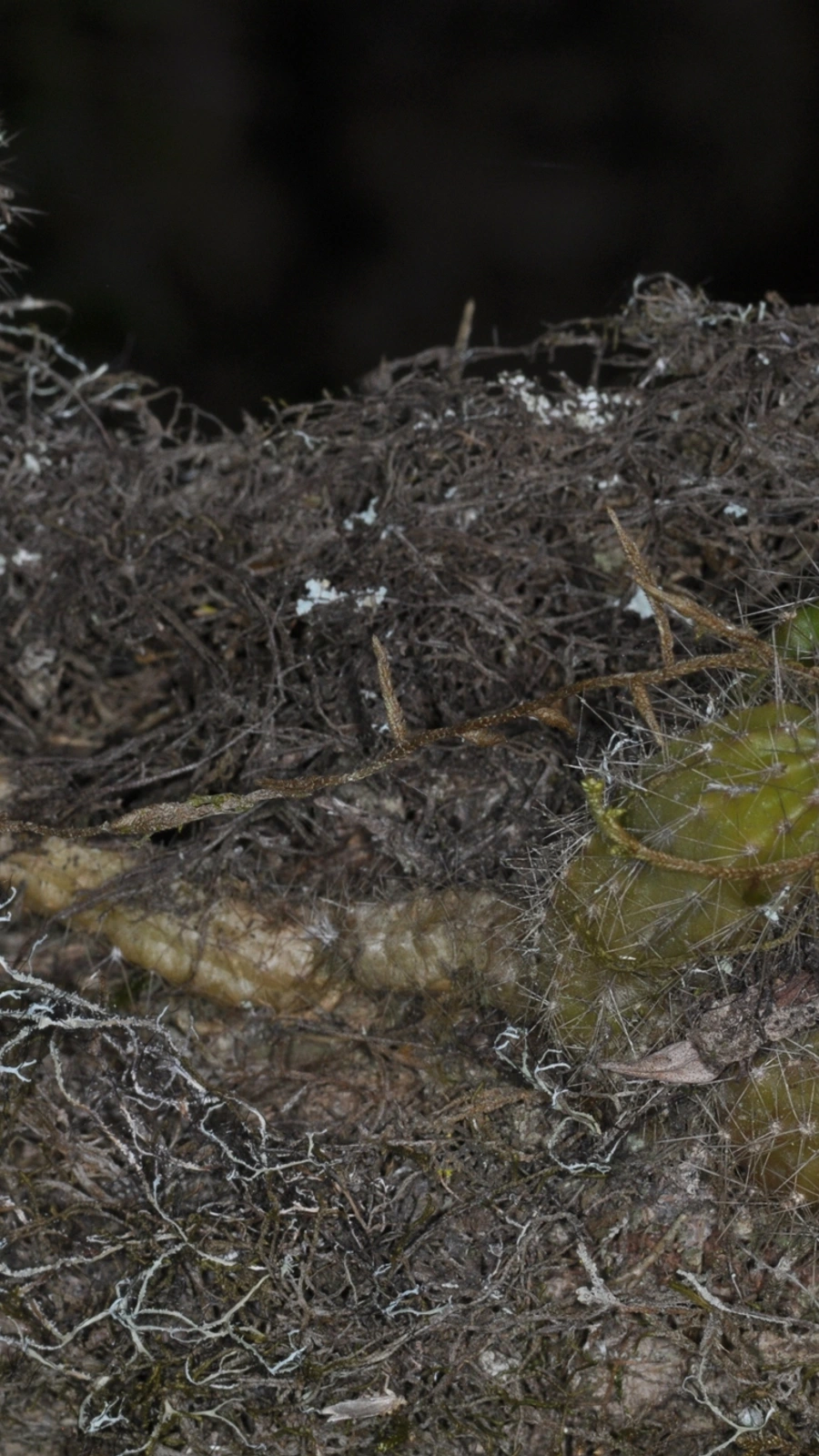 Reference image
Epiphytic Hedgehog Cactus
Echinopsis arboricola is a fascinating and highly unusual epiphytic cactus species belonging to the family Cactaceae. Unlike most of its terrestrial, desert-dwelling relatives in the Echinopsis genus, this species adapted to grow on trees or rocky cliffs in tropical regions 1.
First described by the German botanist Friedrich Ritter, the specific epithet "arboricola" literally translates from Latin as "tree-dweller" ("arbor" meaning tree and "cola" meaning inhabitant). It belongs to the Trichocereus lineage within the broad Echinopsis complex, recognized for its unique climbing habit 2.
This species is native to the seasonally dry tropical forests of South America, primarily distributed in Bolivia and northwestern Argentina (such as Salta and Jujuy). It thrives in montane forest ecosystems where it hangs from host branches, experiencing distinct wet and dry seasons.
It features slender, cylindrical, green stems that measure 1.5 to 2 cm in diameter, reaching lengths of up to 1-2 meters in a pendulous or semi-erect fashion. The stems have 8 to 10 low, indistinct ribs. Areoles carry short, fine, yellowish spines. The large, funnel-shaped flowers are pure white and open at night, emitting a subtle fragrance.
In cultivation, it is best grown in hanging baskets to accommodate its pendulous stems. It prefers bright, filtered light rather than harsh, direct sunlight. The potting medium must be organic, airy, and well-draining, mimicking the leaf litter of tree forks.
The most frequent mistake is treating it like a standard desert cactus by letting it dry out completely for long periods. Its epiphytic nature requires moderate ambient humidity and consistent moisture during the growing season. Conversely, heavy clay soils will quickly cause root rot.
Provide bright, indirect or filtered sunlight; avoid hot, direct sun exposure.
Keep the soil lightly moist in summer, but allow it to dry out mostly during winter rest.
Use a well-draining epiphytic mix with added pine bark, peat moss, and perlite.
Spines are fine but can prick; the species is non-toxic and safe for households with pets.
Requires moderate care due to its specific moisture and humidity requirements.
Naturally occurs in the seasonally dry tropical and subtropical montane forests of Bolivia and Northwest Argentina, growing as an epiphyte on forest trees.
