
Light
Full Sun
Full direct sun for at least 6-8 hours daily is crucial for compact growth and healthy blooming.
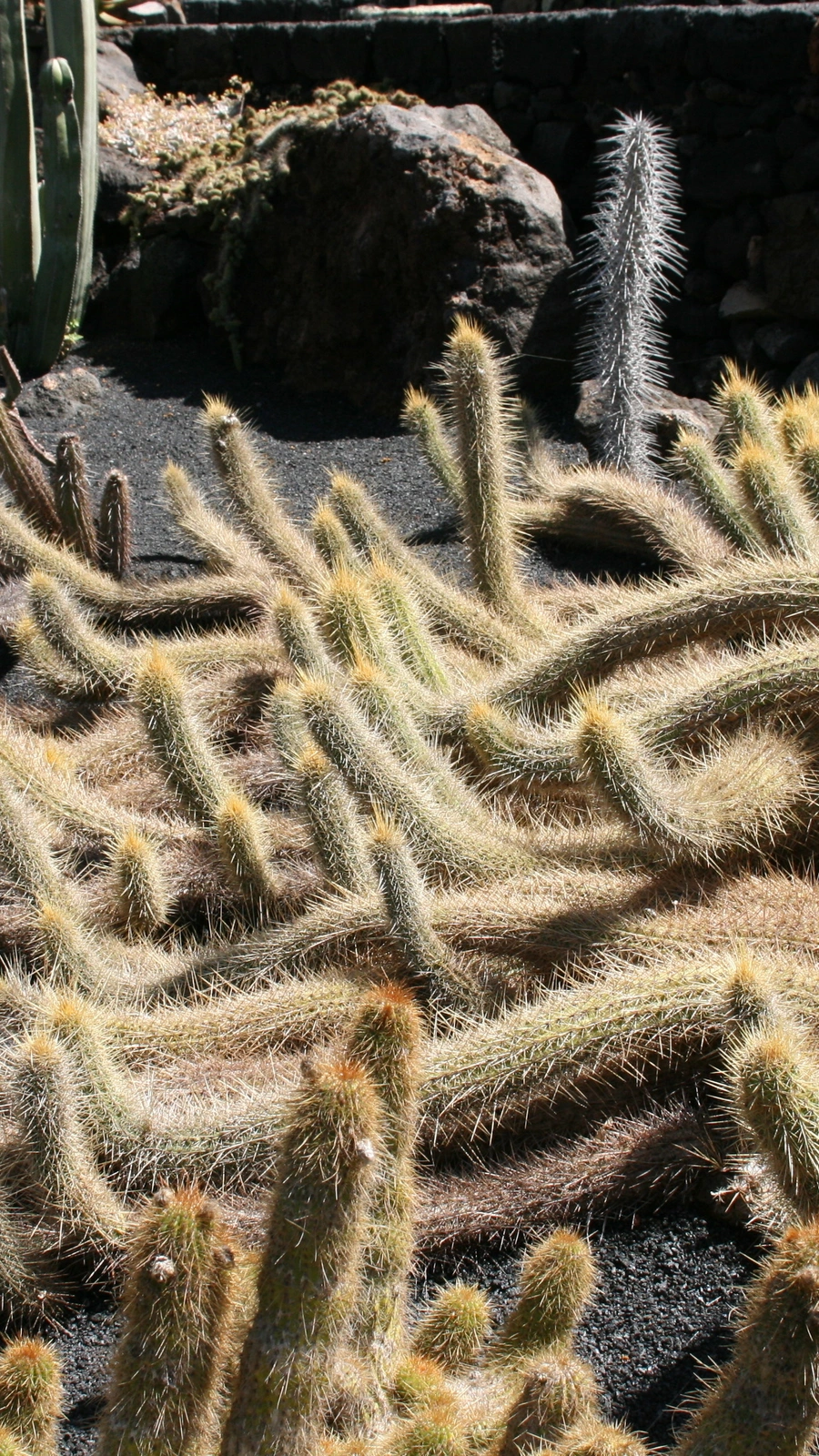 Reference image
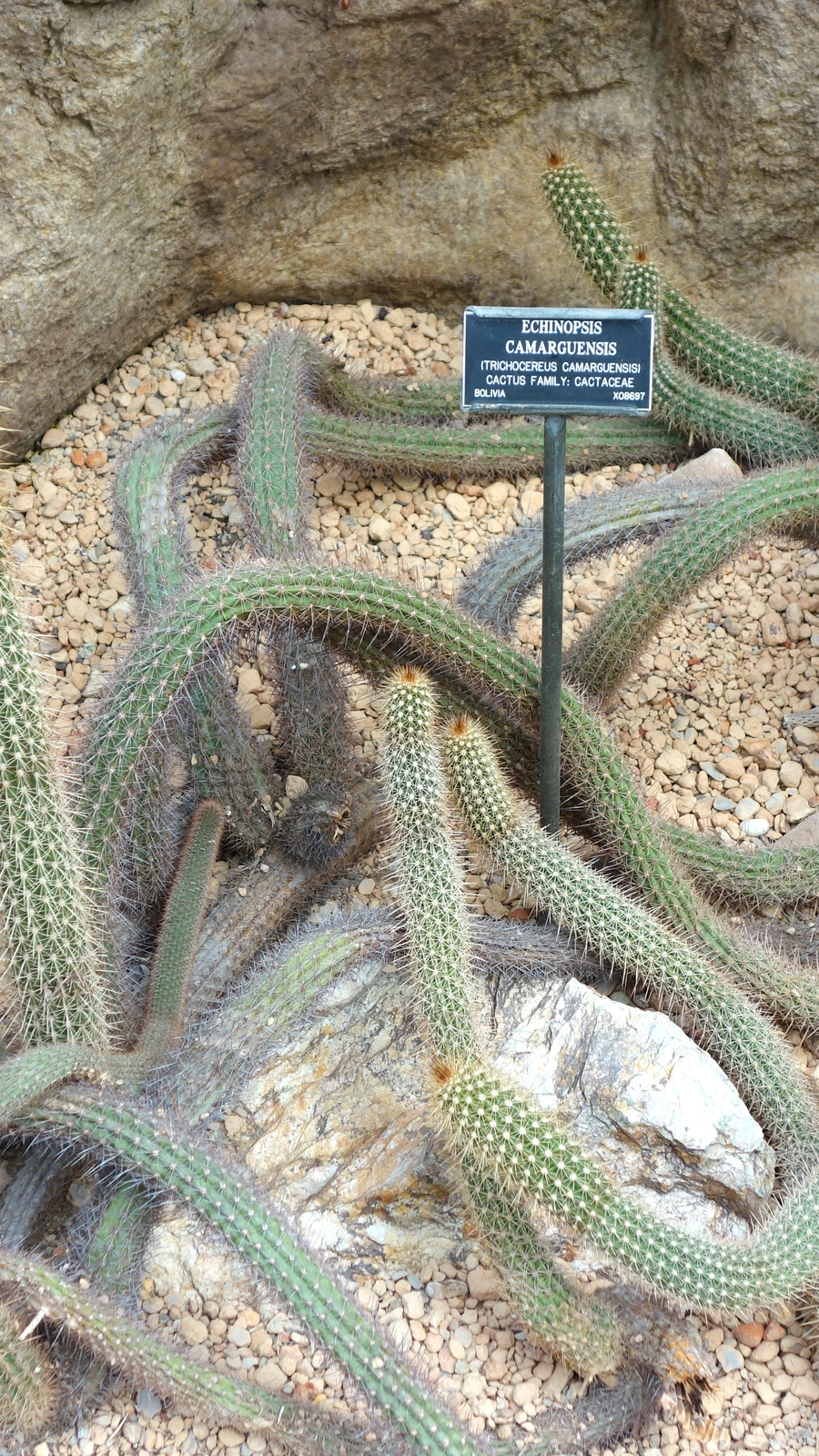 Reference image
Camargo Cactus
Echinopsis camarguensis is a perennial, succulent subshrub cactus belonging to the Cactaceae family. Known for its semi-prostrate to erect growth habit, it forms dense clusters in its natural habitat and is highly prized by cactus enthusiasts for its spectacular, large white flowers.
The species was first formally described by the Bolivian botanist Martín Cárdenas in 1953 1. The specific epithet camarguensis refers to the town of Camargo in the Chuquisaca Department of Bolivia, near where the type specimen was discovered. It is also classified in older literature under the synonym Trichocereus camarguensis.
This species is endemic to southern Bolivia, spanning the departments of Chuquisaca, Potosí, and Tarija 2. It thrives at elevations between 2,000 and 3,000 meters above sea level, inhabiting dry valley systems, stony slopes, and xerophytic shrublands characterized by mineral-rich, hyper-drained soils.
The stems are cylindrical, pale green, reaching up to 1 meter in height and 5 to 8 cm in diameter. They feature 11 to 15 distinct ribs. The areoles bear sharp, grayish-yellow spines; there are 1 to 3 central spines and 8 to 12 radial spines. The showy, nocturnal flowers are funnelform, pure white, measuring about 18 to 20 cm in length, opening in the evening and lasting until the next midday.
It requires full sun exposure and extremely gritty, well-draining soil. During the active spring and summer growing season, water thoroughly only when the soil has dried out completely. In winter, keep the plant entirely dry to prevent rot and encourage dormant bud formation. It can tolerate short periods of light frost down to -5°C if kept dry.
Overwatering, utilizing dense clay-rich soils, and inadequate light exposure are the primary causes of root rot and etiolation (weak, stretched growth).
Full direct sun for at least 6-8 hours daily is crucial for compact growth and healthy blooming.
Water only when the substrate is dry in spring/summer; keep completely dry during winter dormancy.
A highly porous soil mix containing pumice, perlite, and coarse grit is essential.
Equipped with sharp spines that can cause injury; keep away from children and pets.
Very easy to care for, provided its sunlight and drainage requirements are met.
Native to the dry, high-altitude valley systems of southern Bolivia, particularly within the rocky terrains and dry shrublands of Chuquisaca, Potosí, and Tarija.
