
Light
Bright Indirect Light
Requires at least 4-6 hours of direct or very bright filtered sunlight daily.
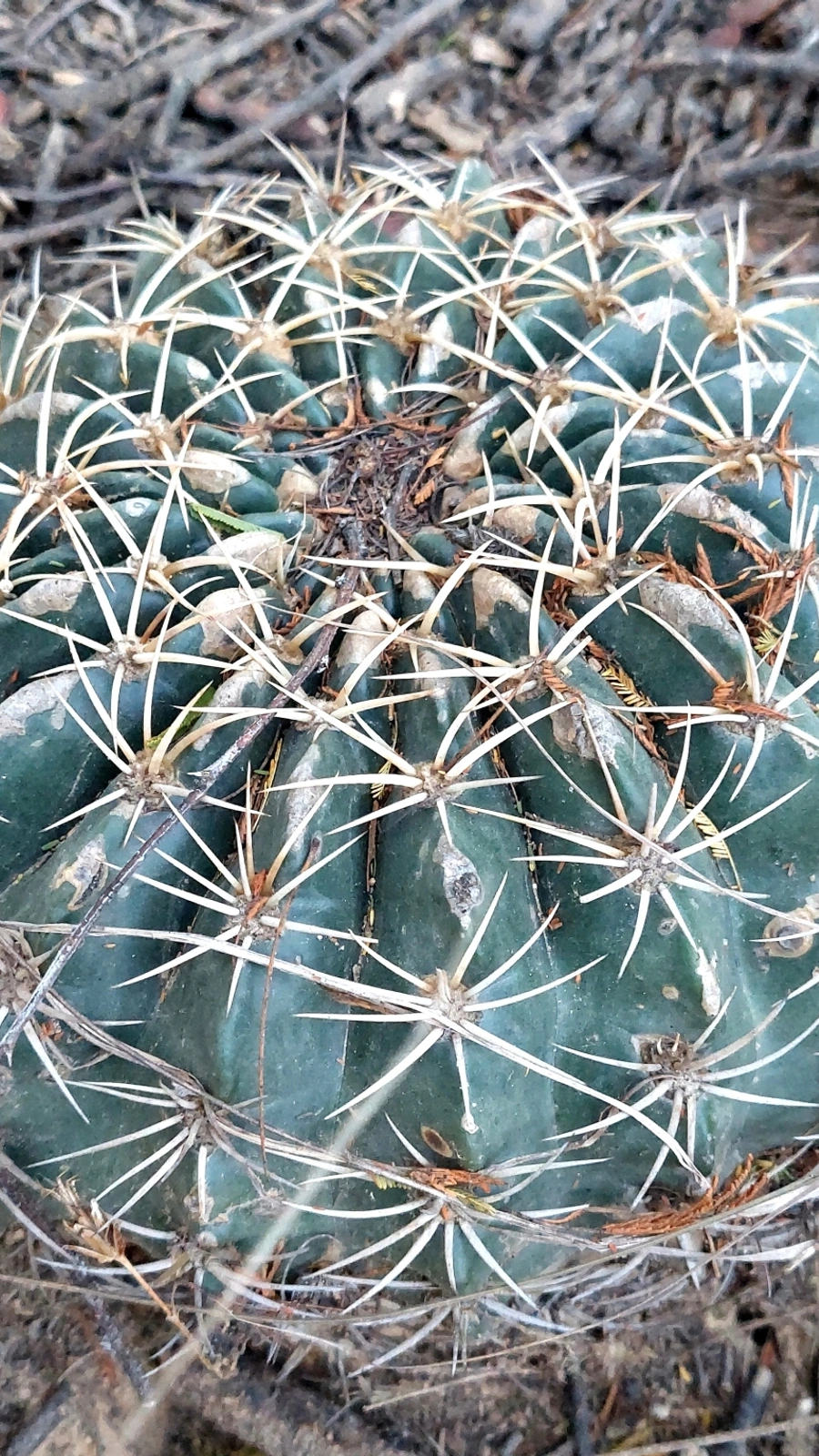 Reference image
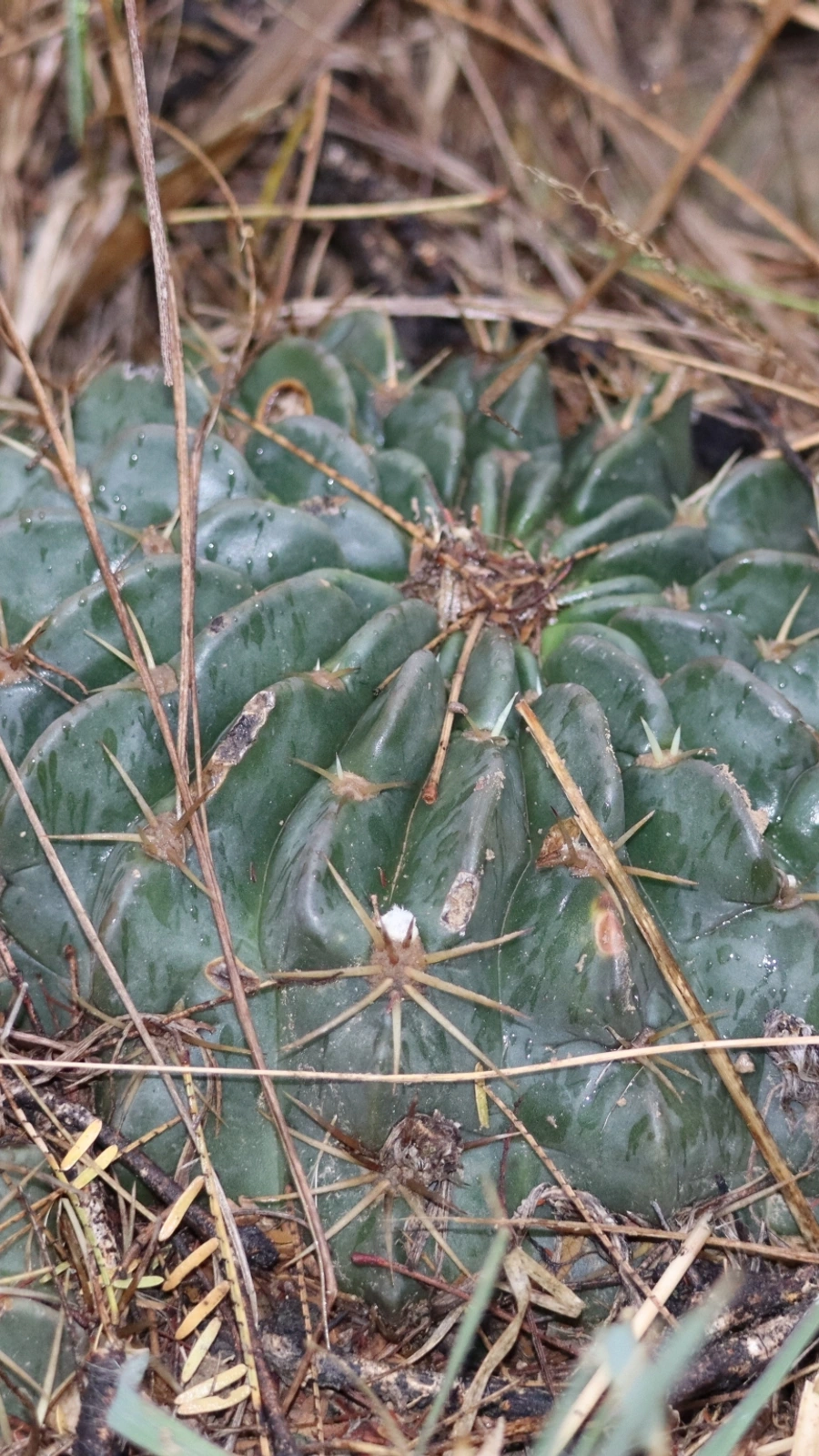 Reference image
Cardenas Cactus
Echinopsis cardenasiana is a highly prized perennial succulent subshrub in the family Cactaceae, famous for its magnificent, disproportionately large magenta to pink flowers that bloom in late spring 1. Its compact size makes it perfect for container culture.
Named in honor of the prominent Bolivian botanist Martin Cárdenas, this species has also been classified under the genus Lobivia as Lobivia cardenasiana. Modern botanical consensus often integrates it into the diverse genus Echinopsis 2.
This species is native to the high-altitude dry shrublands and rocky slopes of Bolivia 1. It thrives in gravelly, fast-draining soils at elevations ranging between 2,000 and 3,000 meters above sea level, adapting to intense daytime sun and cool nights.
The stem is solitary or slowly clumping, globose to somewhat flattened, with well-defined ribs. The areoles bear sharp, strong, greyish-brown spines. The showy, funnel-shaped blossoms emerge from the sides of the stem, putting on a dramatic display.
This cactus requires plenty of bright indirect sunlight or direct morning sun. During the active growing season, water thoroughly only when the soil has dried out completely. It prefers a mineral-rich gritty soil and must be kept absolutely dry during the cold winter dormancy 2.
Overwatering during the winter rest period is the most common cause of failure, quickly leading to root and stem rot. Insufficient light will cause etiolation, where the globose stem stretches and loses its compact, aesthetic shape.
Requires at least 4-6 hours of direct or very bright filtered sunlight daily.
Water only when the soil is dry in summer; keep completely dry in winter.
Use highly porous, mineral-rich soil with plenty of pumice and coarse sand.
Non-toxic, but features sharp spines that can cause physical injury to pets and children.
Very easy to maintain, provided you avoid overwatering and wet winter conditions.
Endemic to the mountainous, arid regions of Bolivia, where it grows in gravelly soils on steep slopes. The high-altitude environment equips this plant with natural tolerance to sharp temperature drops at night and cool winter conditions.
