
Light
Bright Indirect Light
Thrives in bright indirect light or filtered sun; shield from scorching afternoon rays.
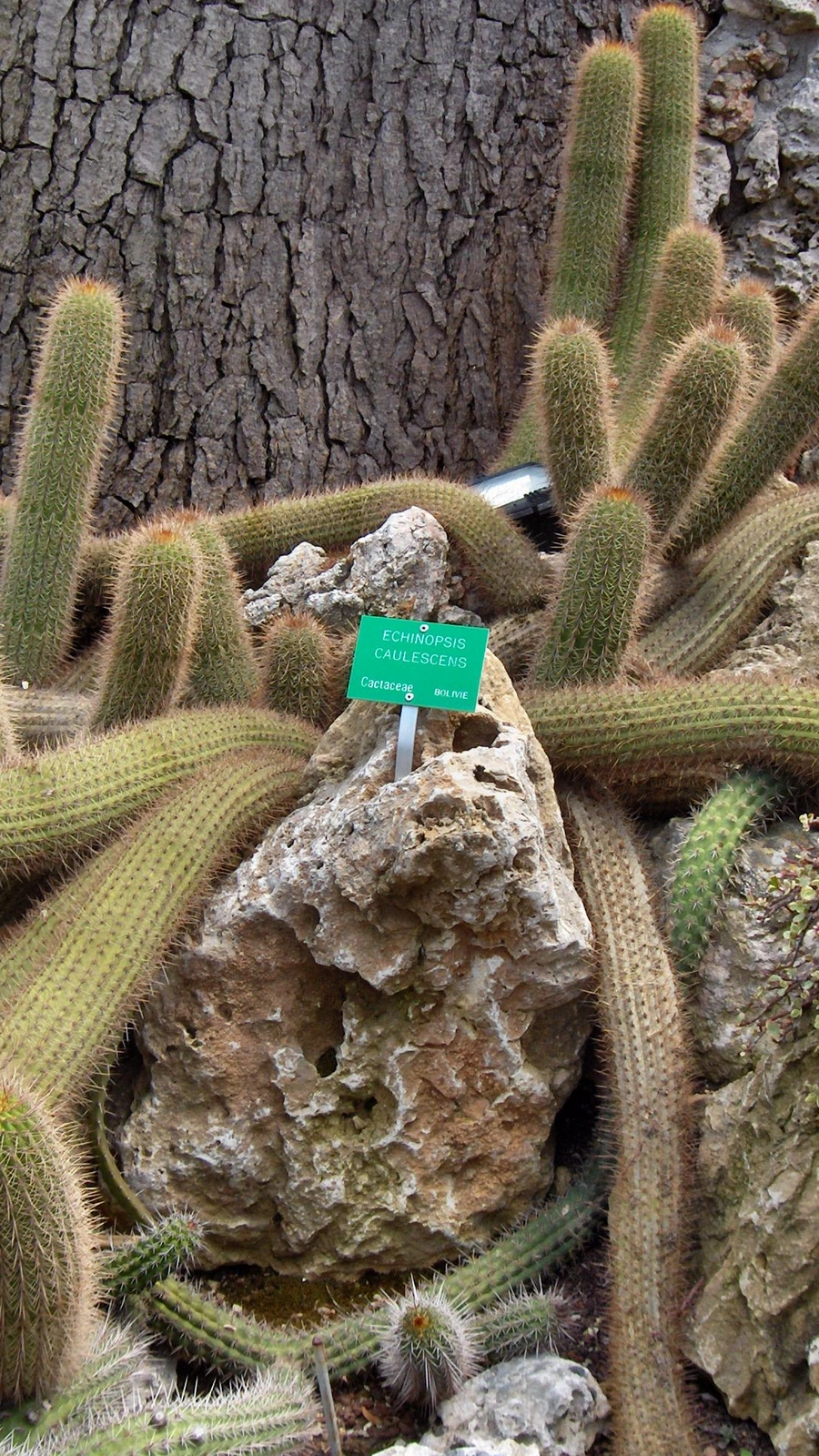 Reference image
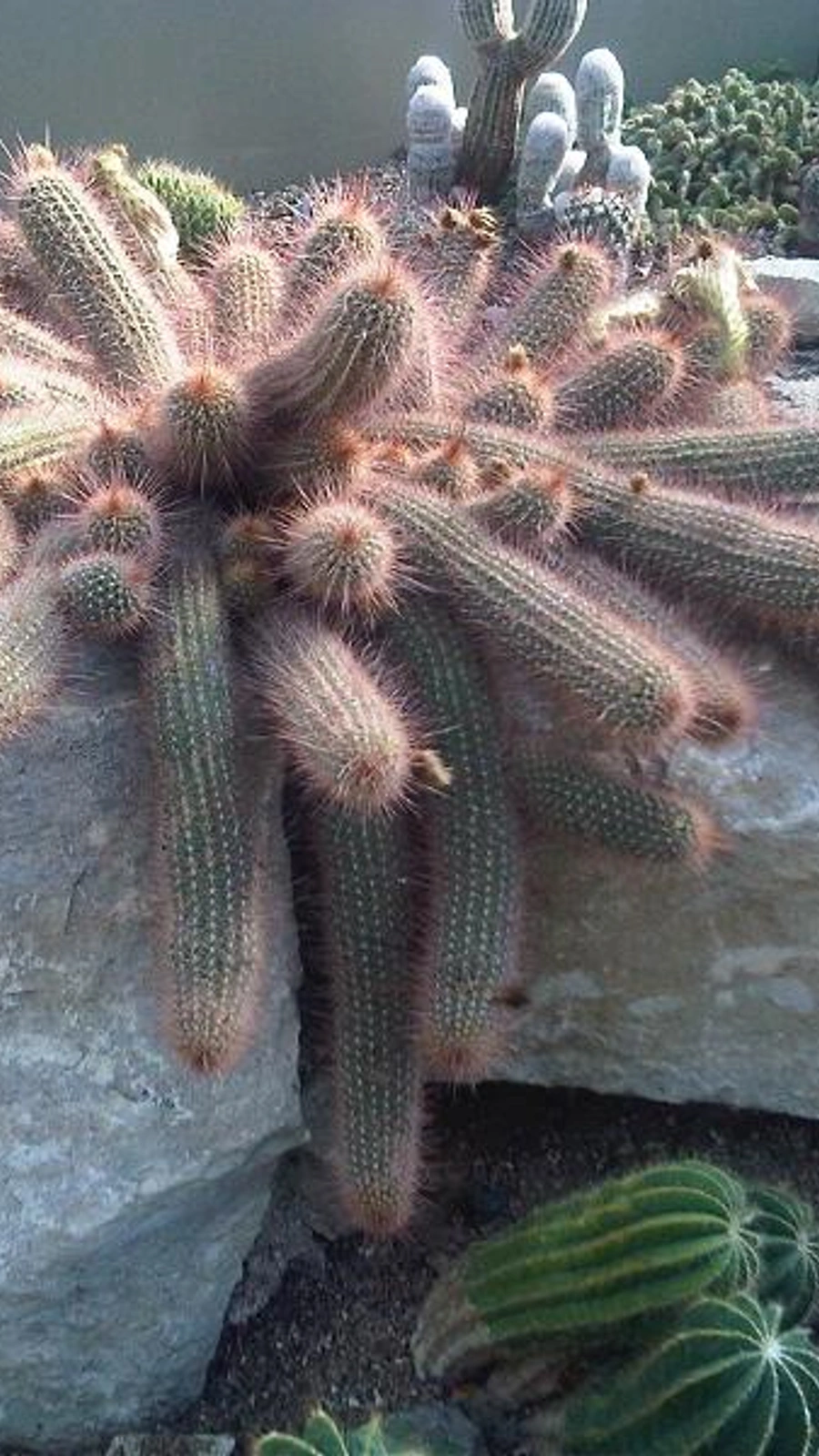 Reference image
Echinopsis caulescens is a stem-forming, columnar to subshrubby succulent cactus belonging to the family Cactaceae. Known for its erect, ribbed stems and spectacular white nocturnal flowers, this species is a prized specimen among succulent enthusiasts and collectors 1. It is highly valued for both its architectural presence and its resilience in indoor cultivation.
Originally described from specimens collected in Bolivia, this species belongs to the diverse genus Echinopsis. The specific epithet caulescens is derived from Latin, meaning 'becoming stem-like' or 'having a distinct stem', which refers to its growth habit of developing prominent, upright columnar branches over time 2.
This species is native to Western South America, particularly Bolivia. It thrives in desert or dry shrubland biomes, typically on rocky hillsides and semi-arid valley slopes at moderate to high altitudes 3. In these habitats, it grows in highly mineralized, fast-draining soils with sparse surrounding vegetation.
Echinopsis caulescens features cylindrical, green stems divided into several prominent longitudinal ribs. The areoles are spaced along the ribs, bearing yellowish to brownish radial and central spines. During the summer, mature specimens produce large, showy, funnel-shaped white flowers that typically open in the evening and last into the following day 2.
In cultivation, it requires bright, indirect sunlight or partially filtered direct sun. It thrives in a dedicated cactus mix rich in mineral components like pumice or perlite. Water thoroughly only when the soil has dried out completely. During winter, it should be kept dry and in a cool room to induce dormancy, which is vital for next season's flowering.
The most prevalent issue is root rot caused by overwatering or compacted soil that retains moisture. Inadequate lighting also leads to etiolation, where the cactus stems grow abnormally thin, pale, and stretched towards the light source.
Thrives in bright indirect light or filtered sun; shield from scorching afternoon rays.
Allow the substrate to dry out 100% between waterings. Reduce to a minimum in winter.
Requires excellent drainage. Use a gritty mix with plenty of pumice, coarse sand, and perlite.
Non-toxic, but the spines can cause physical injury. Handle with thick gloves.
Very easy to care for, provided it is not overwatered and is given enough light.
Naturally occurs in the high-altitude arid valleys and rocky slopes of Bolivia, thriving in highly mineralized and well-draining dry soils.
