
Light
Direct Sun
Requires full, direct sun to maintain strong spination and flower well.
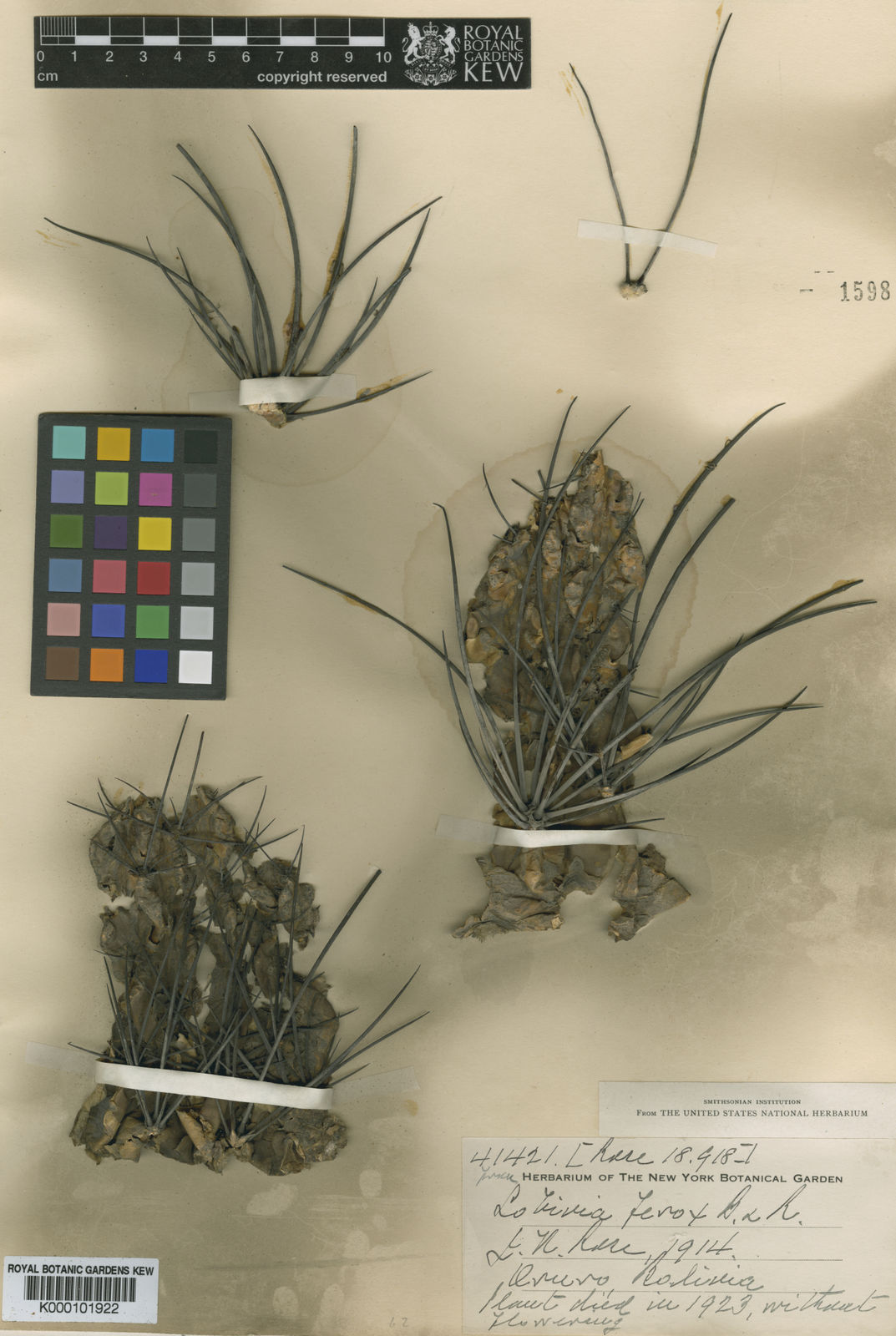 Reference image
Fierce Echinopsis
Echinopsis ferox is a robust, globose to short-cylindrical cactus renowned for its formidable, long, and fiercely curved spines. The specific epithet ferox derives from Latin, meaning 'wild' or 'fierce', which vividly describes the plant's heavily armed appearance 1.
Originally described under various genera such as Lobivia, contemporary botanical consensus places this species within the diverse genus Echinopsis 2. It is widely recognized in cultivation under both Echinopsis ferox and Lobivia ferox, reflecting its taxonomic history among succulent enthusiasts.
This species is native to the high-altitude Andean regions of South America, spanning across Bolivia, northwestern Argentina, and northern Chile 2. It thrives in dry shrublands, rocky slopes, and gravelly soils at elevations ranging from 2,000 to over 4,000 meters above sea level, where it endures intense solar radiation and cold nights 1.
The body of Echinopsis ferox is pale green to grayish-green, with 25 to 30 deep, wavy ribs. The most striking feature is its dense armament: each areole bears thick, upward-curving central spines that can grow up to 15 cm long, varying in color from honey-yellow to dark brown 1. During summer, it produces large, funnel-shaped flowers near the stem apex, which can be white, pink, or light yellow.
Successful cultivation requires replicating its arid mountain habitat. It demands maximum sunlight and highly porous, mineral-based soil 2. Watering should be thorough but infrequent during the spring and summer growing seasons, followed by a completely dry winter rest to prevent root rot.
Inadequate sunlight leads to etiolation, causing the stems to weaken and stretch unnaturally. Overwatering in dense, organic soils quickly triggers fungal root infections.
Requires full, direct sun to maintain strong spination and flower well.
Allow soil to dry out completely between waterings; dry winter rest is mandatory.
Highly mineral-based substrate with plenty of pumice and grit.
Extremely sharp and long spines can cause physical injury; keep away from pets and children.
Moderate care level, requiring strict watering discipline.
Found in the high-elevation Andean regions across Bolivia, northern Chile, and northwestern Argentina. It grows on rocky slopes and dry mountain grasslands, surviving intense sun, high winds, and cold night temperatures.
