
Light
Bright Indirect Light
At least 6 hours of direct or bright filtered sunlight daily.
 Reference image
 Reference image
Giant Echinopsis
Echinopsis gigantea is an impressive columnar or globular cactus belonging to the family Cactaceae. Known for its potential to reach significant dimensions, it is highly valued by collectors for its majestic growth form.
Classified under the diverse genus Echinopsis, its generic name is derived from the Greek 'echinos' (hedgehog) and 'opsis' (appearance) 1. The specific epithet 'gigantea' highlights its large size. Modern taxonomists continuously study its precise botanical boundaries within the South American Cactaceae.
This species is native to southern South America, particularly thriving in the arid Andean foothills of Argentina 2. It is well-adapted to rocky slopes, gravelly soils, intense solar radiation, and significant diurnal temperature fluctuations.
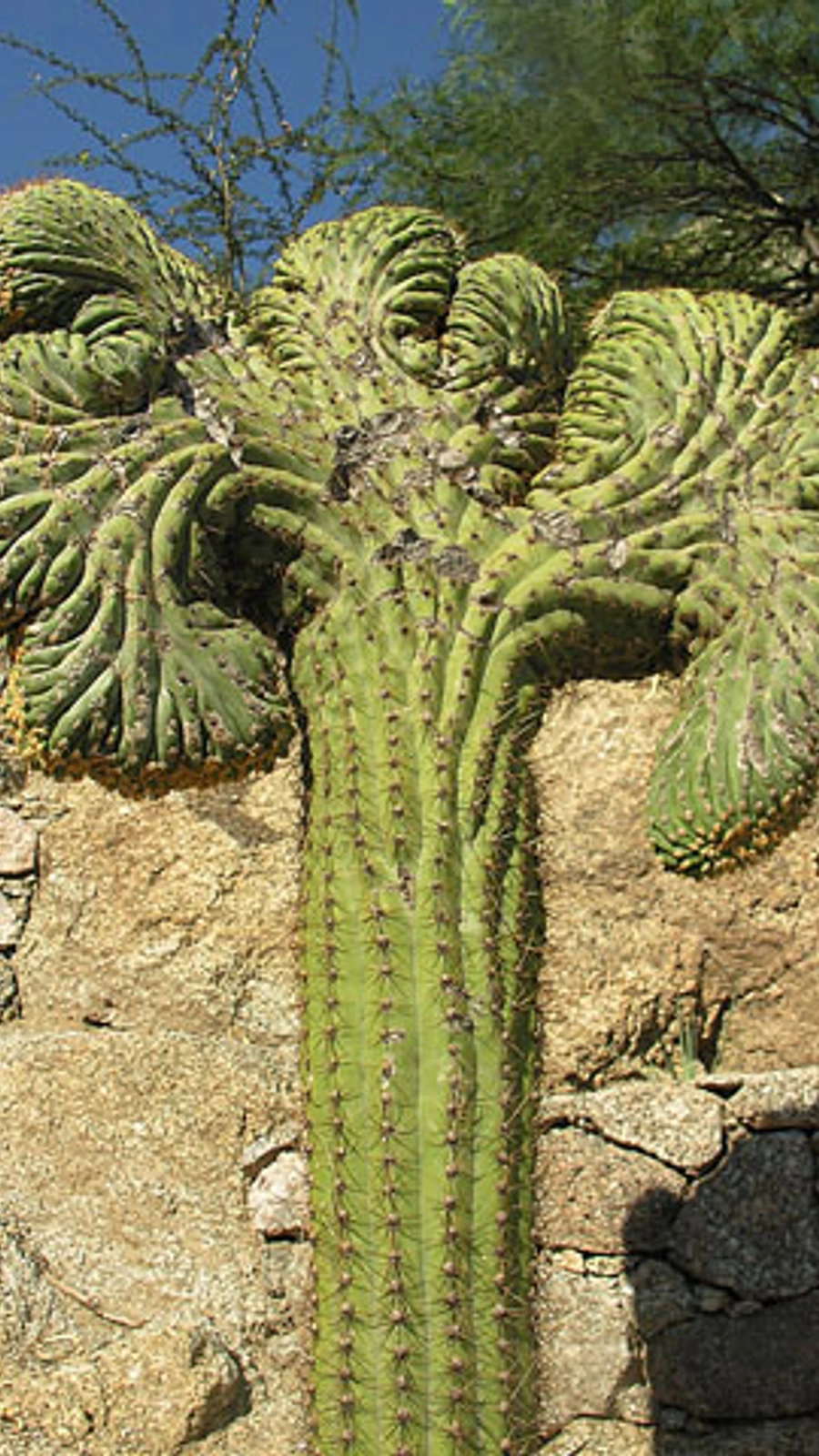
The stem is light green to grayish-green, featuring prominent ribs adorned with strong, sharp spines clustered on the areoles. Mature specimens produce spectacular, large, funnel-shaped flowers that are white to cream-colored and typically open at night during the summer.
It requires abundant bright light, either direct or slightly filtered. Watering must be strictly limited to when the soil is completely dry. In winter, the plant enters dormancy, during which watering should be almost entirely suspended to prevent rot.
Overwatering is the single most common cause of failure. Heavy, clay-rich soils or pots without drainage holes rapidly trigger root rot. Insufficient light leads to etiolation, where the cactus becomes thin, weak, and loses its natural form.
At least 6 hours of direct or bright filtered sunlight daily.
Water only when the substrate is fully dry. Keep almost dry in winter.
Highly porous, mineral-based cactus mix with plenty of pumice or perlite.
Armed with very sharp spines. Keep away from pets and small children.
Very easy to care for, provided you do not overwater or let it sit in soggy soil.
Naturally distributed across the arid, rocky foothills of the Andes in Argentina and neighboring regions of southern South America.
