
Light
Direct Sun
Requires at least 6 hours of direct sunlight daily.
 Reference image
 Reference image
Blood-Red Flowered Hedgehog Cactus
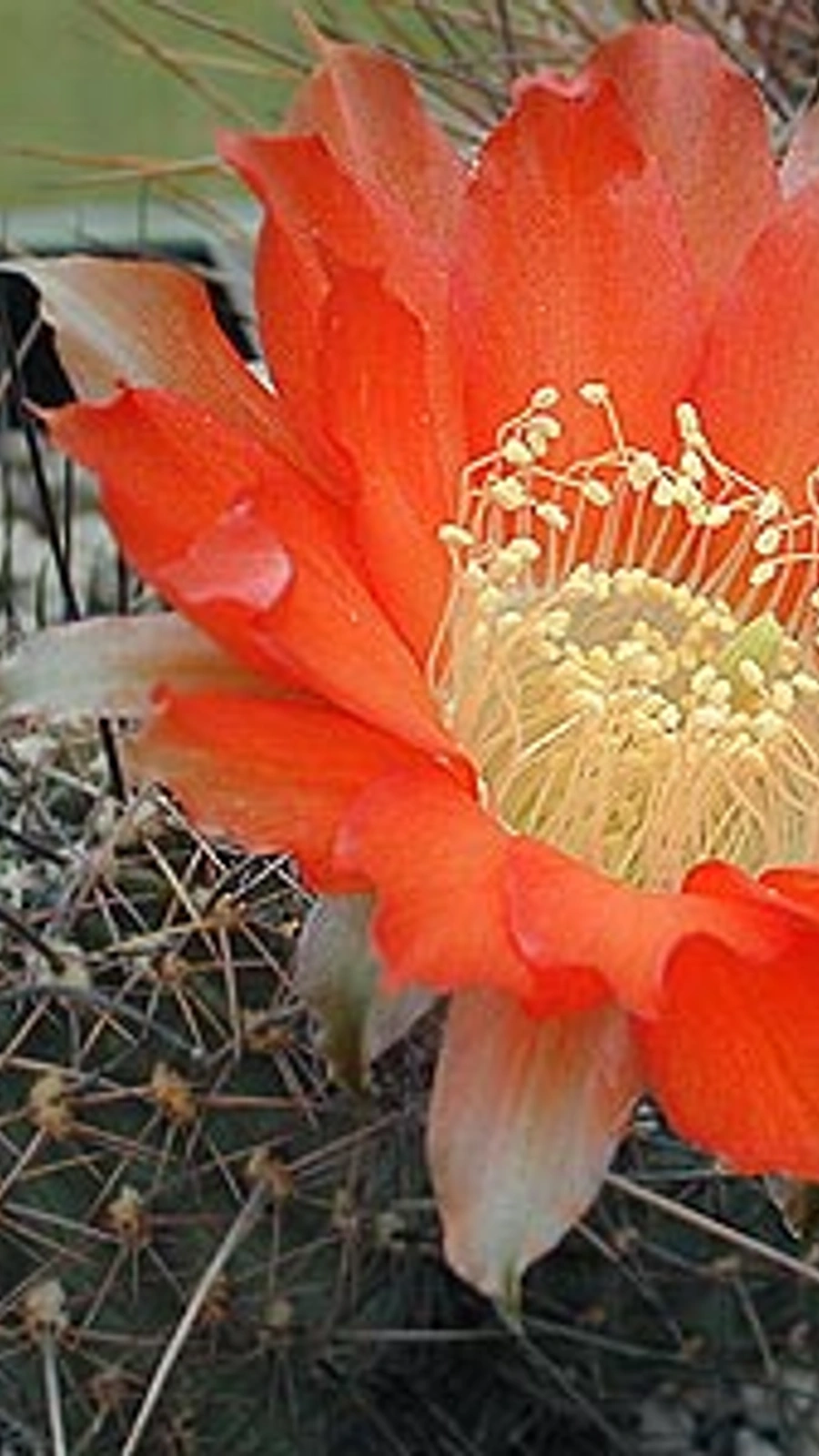
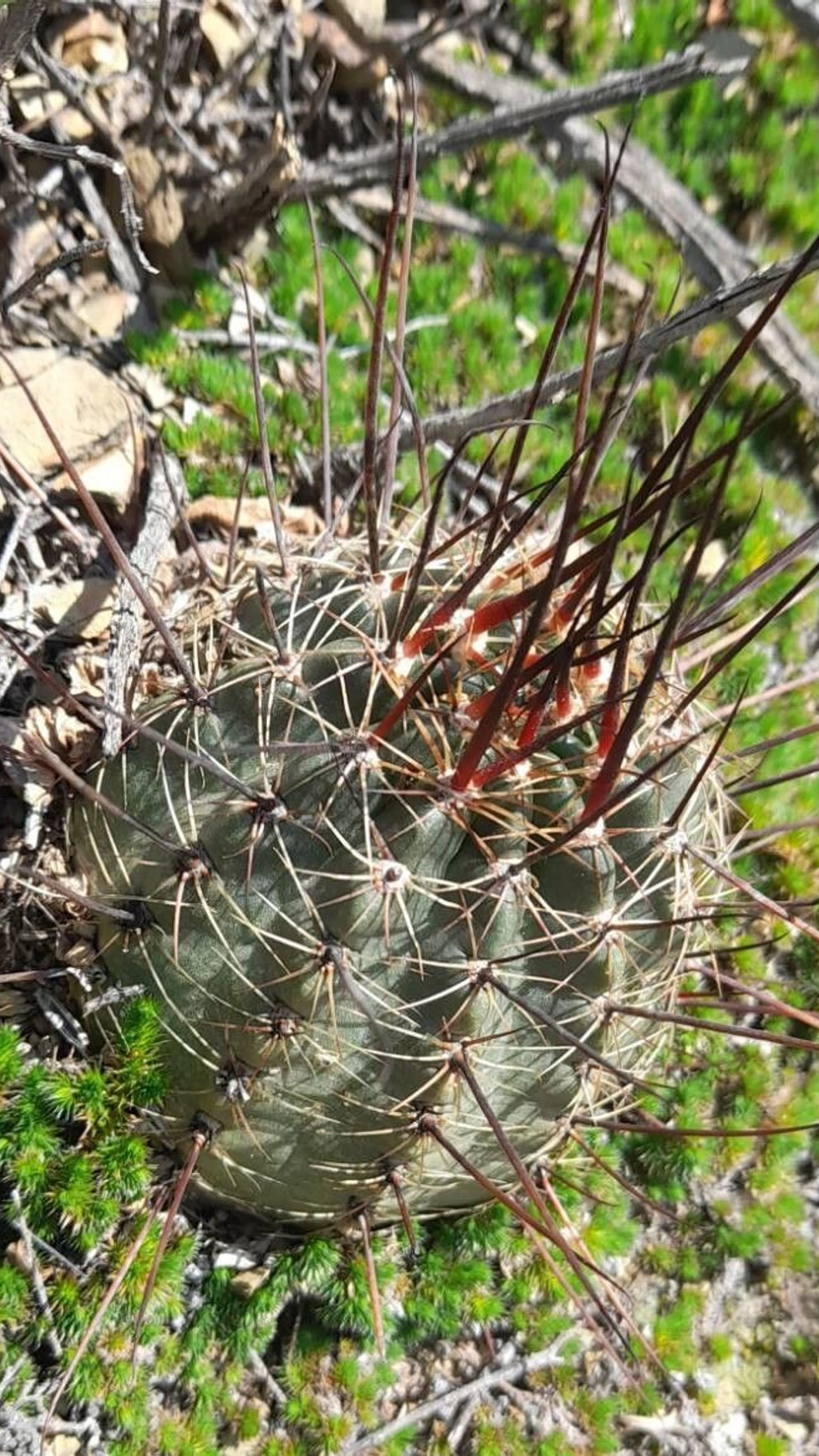
Echinopsis haematantha is a remarkable, small-sized, semi-shrubby succulent cactus species belonging to the Cactaceae family. Known for its intensely colored, showy flowers and sturdy resilience, it has become a highly sought-after plant for succulent collectors and home gardeners worldwide 1.
The genus name Echinopsis derives from the Greek "echinos" (meaning hedgehog or sea urchin) and "opsis" (appearance), pointing to the spiny, round shape of the stem. The specific epithet "haematantha" is Latin for "blood-red flowered", which directly highlights the brilliant, deep red color of its blossoms 2. Historically associated with the genus Lobivia, modern taxonomy places this species firmly under Echinopsis.
Native to western South America, this species is extensively distributed throughout the high-altitude regions of northwestern Argentina (including Salta, Jujuy, Catamarca, and Tucumán) and parts of Bolivia 1. It thrives at elevations between 1500 and 3000 meters above sea level, growing on rocky slopes, gravelly soils, and within arid shrublands where it tolerates extreme temperature swings.
Echinopsis haematantha usually grows solitary, though old specimens may clump at the base. It features globose to shortly cylindrical stems that vary from dark green to purplish-grey. The stems feature distinct ribs decorated with close-set areoles bearing stiff, radiating spines ranging in color from ash-grey to brownish-black. In late spring, it produces funnel-shaped, large flowers near the crown, shining in brilliant shades of blood-red, orange, or gold 2.
In cultivation, this cactus demands full sun and bright direct light to maintain its compact shape and promote heavy blooming. It must be potted in a highly porous, mineral-rich substrate with exceptional drainage. Water thoroughly only when the soil has dried out completely during spring and summer, and transition to a completely dry dormancy during the winter months.
The most prevalent issue is overwatering, especially during winter, which inevitably leads to root and stem rot. Using organic-heavy, moisture-retaining soils or growing the plant in pots without drainage holes will rapidly damage its delicate root system.
Requires at least 6 hours of direct sunlight daily.
Water only when the substrate is fully dry; keep bone-dry in winter.
Extremely porous cactus mix enriched with pumice and coarse sand.
The plant is non-toxic but features sharp spines; keep away from children and pets.
Very easy to care for, provided it is not overwatered and is allowed a cool winter rest.
Hailing from western South America, this mountain cactus is naturally found growing on steep, rocky ledges and dry, gravelly slopes of northwestern Argentina and high-altitude Bolivian valleys.
