
Light
Bright Indirect Light
Requires bright, direct sunlight to maintain its compact shape and produce vibrant flowers.
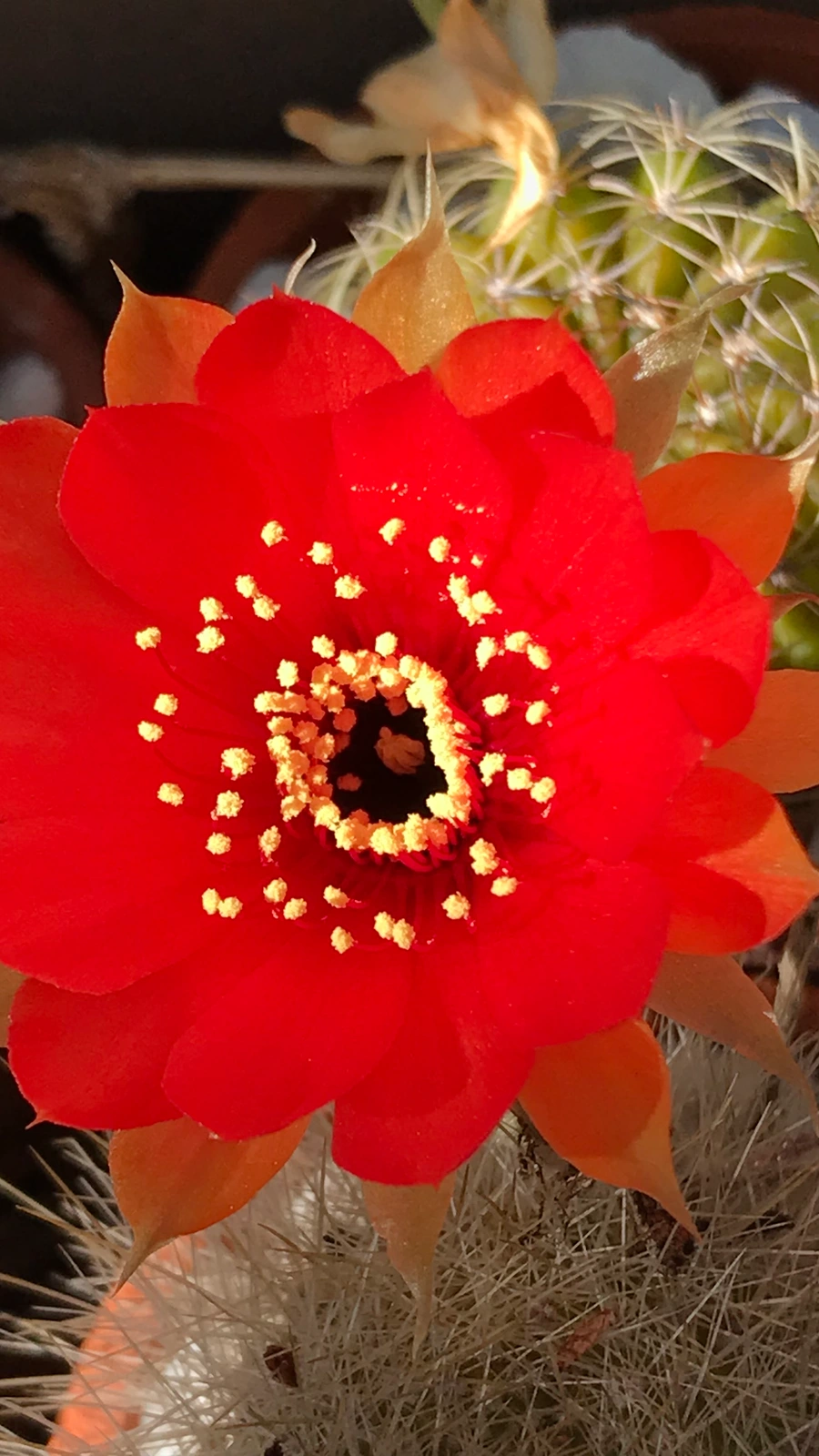 Reference image
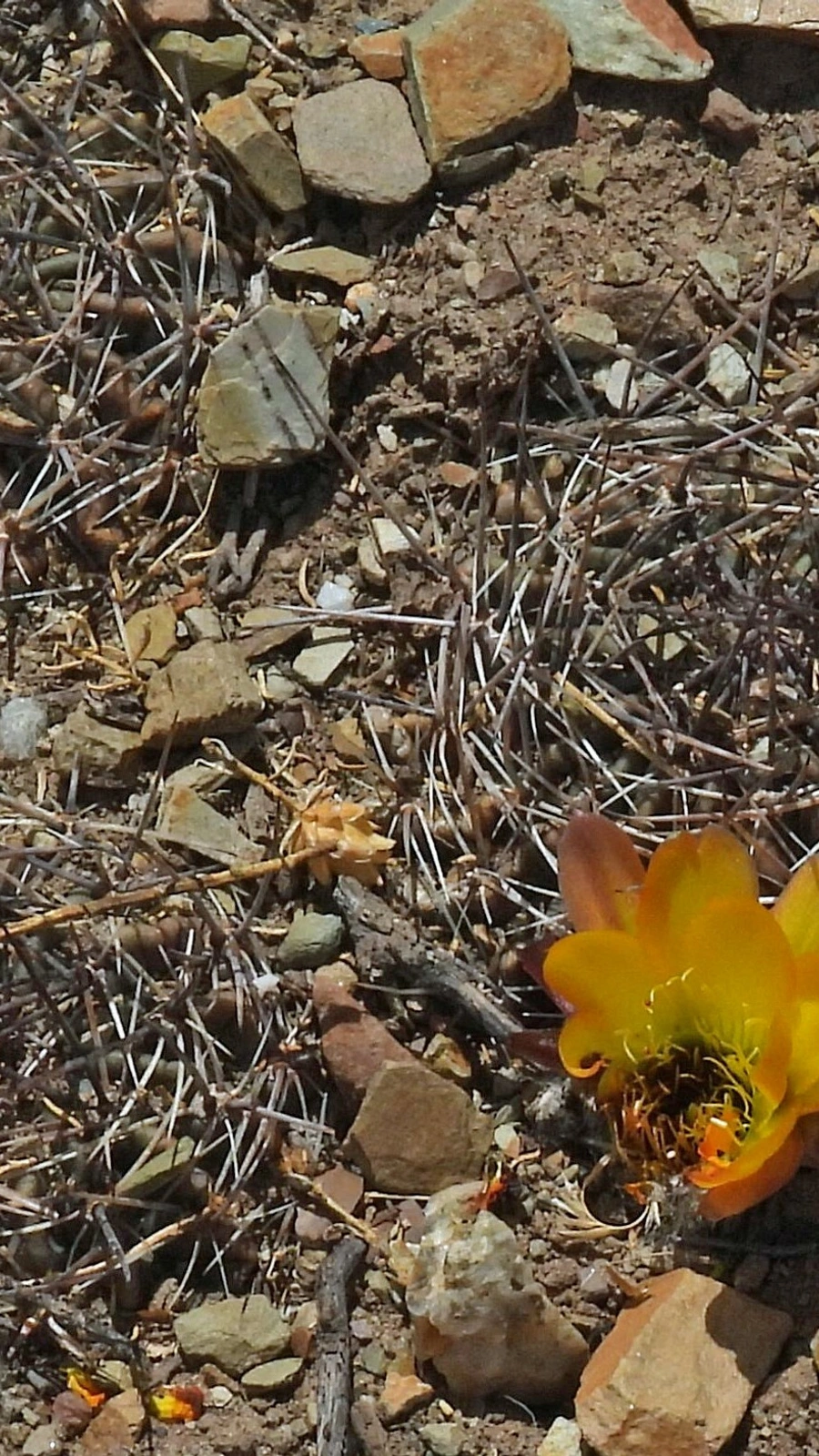 Reference image
Marsoner's Sea Urchin Cactus
Echinopsis marsoneri is a distinctive cactus species in the family Cactaceae, highly regarded for its attractive globose stem and vibrantly colored blossoms. It typically grows as a solitary individual or forms small, tight clusters over time, making it an excellent choice for rock gardens and container culture 1.
Within the subfamily Cactoideae, this species has been historically associated with the genus Lobivia, often referred to as Lobivia marsoneri. It shares the characteristic dwarf stature and broad, funnel-shaped flowers of the Lobivia group, though modern taxonomy widely places it under the larger Echinopsis genus 2.
Native to southern and western South America, its primary distribution spans northwestern Argentina (including provinces like Jujuy and Salta) and southern Bolivia. It thrives in high-altitude dry shrublands and rocky mountain slopes between 1,500 and 3,000 meters above sea level 1.
The plant features a dark green, globular to short cylindrical stem with distinct ribs. The areoles are closely spaced, bearing sharp, yellowish-brown radial and central spines. During late spring, it produces magnificent, satin-textured flowers ranging from bright yellow to deep orange and red, often with a darker throat.
In cultivation, Echinopsis marsoneri requires bright, direct sunlight or very high indirect light to maintain its compact form and initiate flowering buds. It demands an extremely porous, mineral-rich potting medium and moderate watering during the active growth period, followed by a strict dry spell in winter 2.
Overwatering and poorly draining soil are the primary causes of root rot. Inadequate light exposure leads to etiolation, stretching the spherical stem into an unsightly, weak column and preventing the formation of its spectacular flowers.
Requires bright, direct sunlight to maintain its compact shape and produce vibrant flowers.
Water thoroughly only when the soil is dry. Keep completely dry during winter dormancy.
Use a highly mineralized, fast-draining cactus mix rich in pumice, gravel, and coarse sand.
Non-toxic to pets, but the sharp spines can cause physical injury; handle with care and keep out of reach.
Very easy to grow as long as overwatering is avoided and a cool winter rest is provided.
Naturally distributed across the high-altitude rocky slopes of northwestern Argentina and neighboring areas in Bolivia, where it survives in dry, sun-drenched habitats.
