
Light
Bright Indirect Light
Prefers bright, indirect or filtered sunlight. Protect from intense midday summer sun.
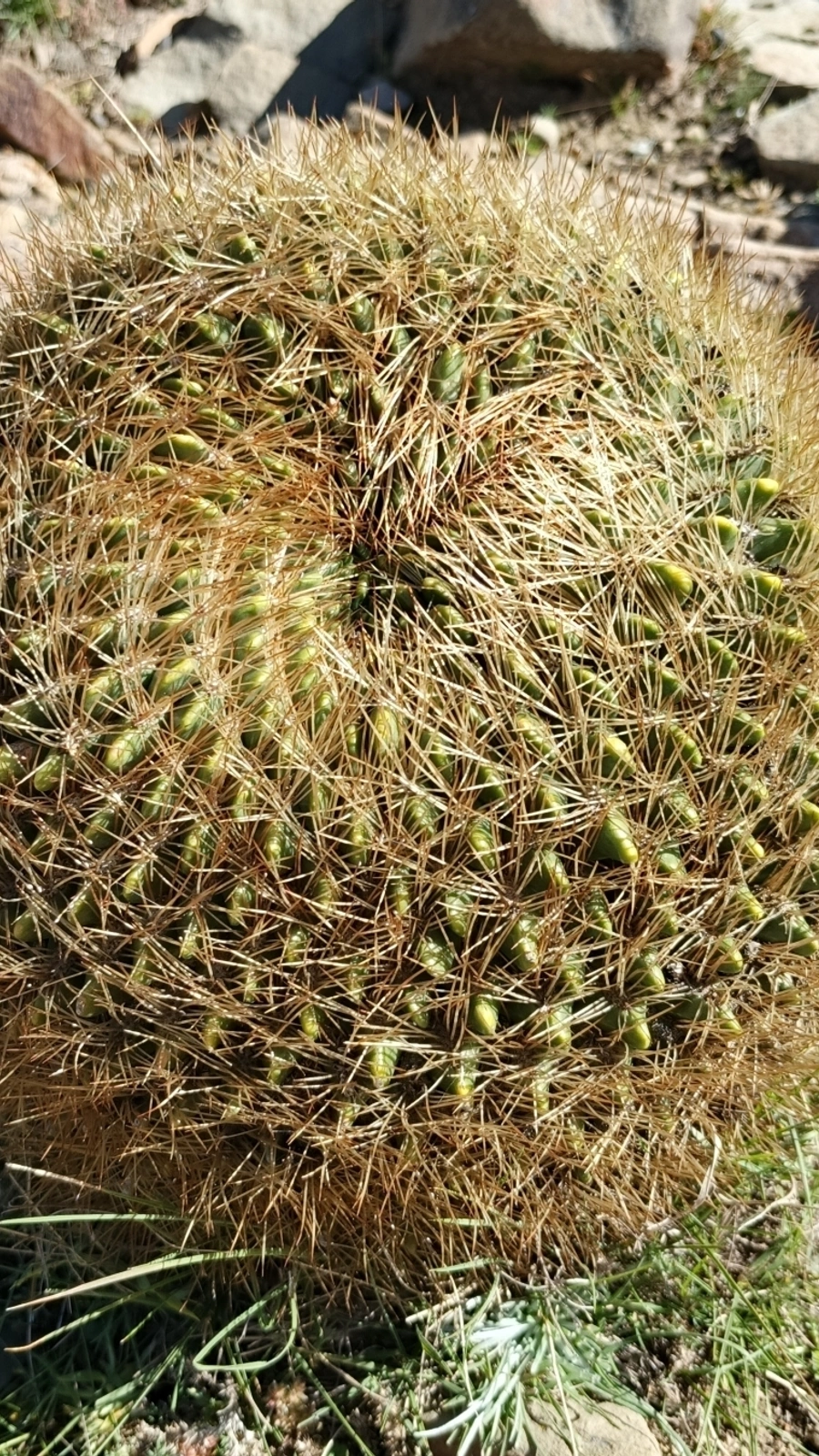 Reference image
Small-flowered Sea-urchin Cactus
Echinopsis minutiflora is a perennial succulent subshrub belonging to the Cactaceae (Cactus) family. Known for its compact growth habit and beautifully delicate blooms, it is a highly appreciated species among succulent collectors and desert plant enthusiasts.
Originally described within the diverse genus Echinopsis, this species is sometimes associated with the Lobivia group due to its morphological features and high-altitude adaptation 1. The specific epithet minutiflora translates from Latin as "tiny-flowered," pointing to its relatively smaller flower size compared to other giants in the genus 2.
Native to southern and western South America, particularly in Bolivia and the northwestern regions of Argentina 1. It thrives in montane tropical and subtropical ecosystems, where it is typically found clinging to rocky, well-draining slopes under direct sun or partial shrub cover.
The plant body is spherical to slightly elongated, featuring distinct vertical ribs adorned with small areoles and clusters of radial spines. The charming flowers, which typically emerge in spring or early summer, range from white to creamy pale yellow, forming a beautiful contrast against the green body.
This species is highly adaptable in cultivation. It prefers bright, filtered sunlight and excellent air circulation. Water thoroughly only when the growing medium has dried out completely. In winter, entering a dormancy period, it requires dry conditions and cool temperatures to stimulate future flowering.
The most prevalent issue is overwatering or utilizing heavy, clay-rich soil, which leads to root rot. Insufficient light exposure will cause the stem to etiolate, stretching unnaturally towards the light source.
Prefers bright, indirect or filtered sunlight. Protect from intense midday summer sun.
Water every 10 days in summer when dry; reduce to once a month or less in winter.
Requires excellent drainage. A blend of pumice, perlite, and coarse sand is highly recommended.
Non-toxic to pets, but features sharp spines that can cause mechanical injury if handled carelessly.
Easy to grow, making it ideal for beginners who can resist the urge to overwater.
Native to the high-altitude montane tropical slopes of Bolivia and northwestern Argentina, where it grows in gravelly, rocky soils with outstanding drainage.
